
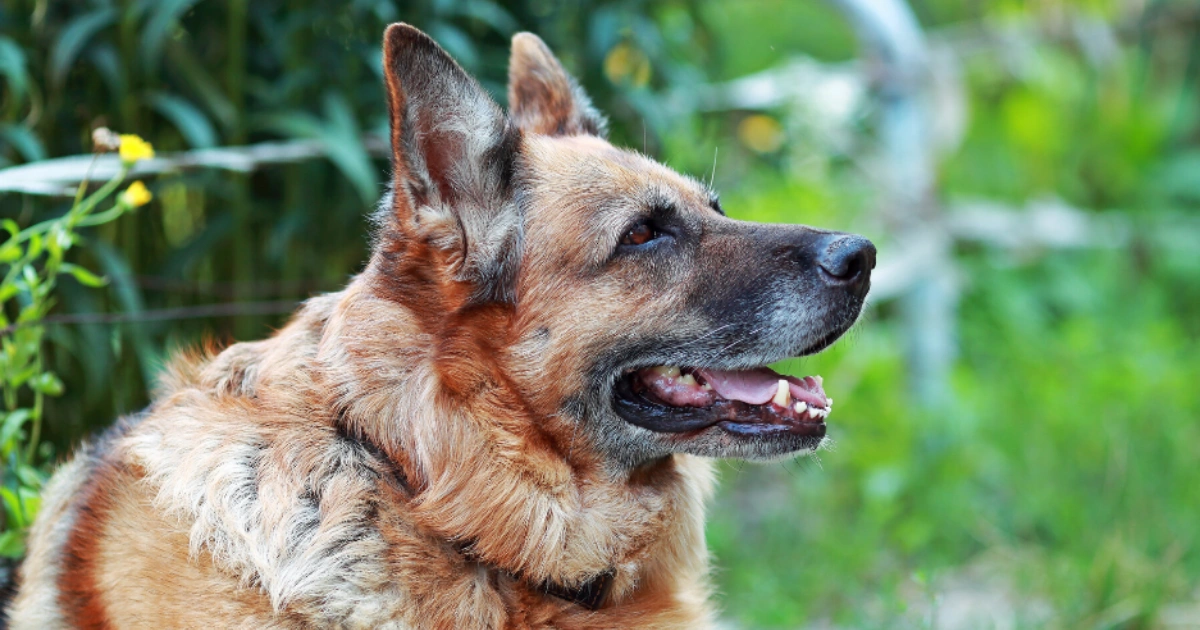
If you’ve ever watched your dog stop during a walk to nibble on grass, you’re not alone. Many pet owners worry that this behavior means their dog is sick or trying to induce vomiting. However, research suggests that grass eating is surprisingly common among healthy dogs and is often a normal part of canine behavior.
Understanding why dogs eat grass can help owners distinguish between harmless habits and situations that may require veterinary attention.
Primary Keyword: why dogs eat grass
Is It Normal for Dogs to Eat Grass?
One of the most common questions veterinarians hear is whether grass eating is a sign of illness. In most cases, the answer is no.
Studies have found that many healthy dogs regularly consume grass without showing any signs of digestive problems. In fact, most dogs that eat grass do not vomit afterward and appear perfectly healthy before and after grazing.
This suggests that grass eating is often a normal behavior rather than a symptom of disease.
Why Dogs Eat Grass: The Most Likely Explanations
Scientists have not identified a single reason why dogs eat grass. Instead, researchers believe several factors may contribute to the behavior.
1. Natural Instinct and Ancestral Behavior
Domestic dogs descended from wild canids that consumed a wide variety of foods, including plant material.
Wild ancestors often ate entire prey animals, including stomach contents that contained grasses, seeds, and vegetation. As a result, some experts believe modern dogs may retain an instinctive tendency to consume plant matter occasionally.
This behavior may be deeply rooted in canine evolution rather than learned from humans.
2. Dogs Simply Enjoy the Taste and Texture
Sometimes the simplest explanation is the correct one.
Many dogs appear to enjoy chewing fresh grass, particularly young, tender shoots that emerge during spring and early summer. Owners often notice that their dogs selectively choose certain patches of grass rather than indiscriminately eating everything available.
This suggests that taste, texture, and curiosity may play important roles.
3. Grass May Provide Additional Fiber
Although commercial dog foods are designed to be nutritionally complete, some dogs may still be attracted to fiber-rich plant material.
Fiber supports healthy digestion by:
- Promoting regular bowel movements
- Supporting gut health
- Helping maintain digestive balance
- Assisting normal intestinal function
Grass contains roughage that may contribute small amounts of dietary fiber, although it is unlikely to be a major nutritional source.
4. Boredom and Environmental Enrichment
Dogs are intelligent animals that require both physical and mental stimulation.
Some dogs may graze on grass when they are:
- Bored
- Under-stimulated
- Exploring their environment
- Seeking sensory experiences
Dogs left alone for long periods may be more likely to develop repetitive behaviors, including excessive grass consumption.
5. Mild Digestive Discomfort
One of the most widely repeated theories is that dogs eat grass to settle an upset stomach.
There may be some truth to this idea, but research suggests it is not the primary explanation in most cases.
Studies indicate that only a minority of dogs vomit after eating grass, and many show no signs of illness beforehand. While some dogs may occasionally use grass when experiencing mild gastrointestinal discomfort, it does not appear to explain the majority of cases.
Do Dogs Eat Grass to Make Themselves Vomit?
This is perhaps the biggest myth surrounding canine behavior.
While some dogs vomit after eating grass, scientific studies suggest that most do not.
Research has found that:
- Most grass-eating dogs appear healthy beforehand
- The majority do not vomit afterward
- Grass eating occurs regularly in healthy dogs
This evidence suggests that grass consumption is usually not a deliberate attempt to induce vomiting.
Instead, vomiting may simply occur occasionally because grass can irritate the stomach lining in certain situations.
When Grass Eating Is Completely Normal
In most cases, grass eating is harmless when:
- Your dog remains active and energetic
- Appetite remains normal
- Water intake is unchanged
- There is no persistent vomiting
- Bowel movements remain normal
- Grass eating occurs occasionally
Many veterinarians consider occasional grass consumption a normal canine behavior.
When Dog Owners Should Be Concerned
Although grass eating is usually harmless, excessive or sudden changes in behavior can sometimes signal an underlying issue.
Contact a veterinarian if grass eating is accompanied by:
Frequent Vomiting
Occasional vomiting may not be unusual, but repeated vomiting should always be investigated.
Loss of Appetite
A dog that refuses food while aggressively eating grass may be experiencing digestive problems.
Lethargy
Reduced energy levels combined with unusual grazing behavior could indicate illness.
Diarrhea
Persistent digestive disturbances warrant veterinary evaluation.
Weight Loss
Unexplained weight loss may signal an underlying medical condition.
Excessive Grass Consumption
If a dog suddenly begins eating large amounts of grass daily, it is worth discussing with a veterinarian.
Potential Risks of Grass Eating
The grass itself is rarely the biggest concern.
Instead, owners should be aware of possible environmental hazards.
Pesticides and Herbicides
Lawns may contain chemicals that can be harmful to pets.
Avoid allowing dogs to eat grass treated with:
- Weed killers
- Insecticides
- Fertilizers
- Fungicides
Toxic Plants
Dogs sometimes ingest ornamental plants while grazing.
Many common garden plants can be toxic to pets.
Parasites
Grass contaminated by animal feces may expose dogs to parasites and infectious organisms.
Maintaining regular parasite prevention is important for all dogs.
How to Reduce Excessive Grass Eating
If your dog frequently eats grass, consider the following strategies:
Increase Physical Activity
Regular exercise can reduce boredom-related behaviors.
Provide Mental Stimulation
Puzzle toys, training sessions, and enrichment activities help keep dogs mentally engaged.
Review Diet Quality
Discuss your dog’s diet with your veterinarian if you suspect nutritional imbalances.
Offer Safe Vegetables
Many dogs enjoy dog-safe vegetables such as:
- Carrots
- Green beans
- Cucumbers
- Pumpkin
These can provide additional fiber and variety.
Monitor Behavioral Changes
Keep track of when grass eating occurs and whether it is linked to specific situations or environments.
What Veterinarians Say About Grass Eating
Most veterinarians agree that occasional grass consumption is a normal canine behavior.
Current evidence suggests that:
- Grass eating is common among healthy dogs
- Most dogs do not eat grass because they are sick
- Instinct and enjoyment likely play significant roles
- Sudden changes in behavior deserve attention
Understanding the context is often more important than the behavior itself.
Frequently Asked Questions
Why do dogs eat grass and then throw up?
Grass can occasionally irritate the stomach and trigger vomiting. However, most dogs that eat grass do not vomit, suggesting that vomiting is usually a side effect rather than the primary goal.
Is grass eating a sign of nutritional deficiency?
There is limited evidence that nutritional deficiencies are a common cause. Most dogs that eat grass are already consuming balanced diets.
Should I stop my dog from eating grass?
Occasional grass eating is generally harmless if the grass is free from chemicals and toxic contaminants. However, excessive consumption should be discussed with a veterinarian.
Do puppies eat grass more often?
Young dogs and puppies are naturally curious and may explore their environment by chewing grass more frequently than adult dogs.
Can grass eating indicate anxiety?
In some cases, repetitive grass eating may be associated with boredom, stress, or anxiety. Behavioral patterns should be evaluated alongside other symptoms.
Conclusion
Understanding why dogs eat grass helps separate fact from fiction. Although many owners assume the behavior signals illness, research suggests that grass eating is usually a normal part of canine life. Instinct, curiosity, enjoyment, and occasional digestive benefits may all contribute to this common habit.
The key is to focus on the overall health of the dog rather than the grass eating itself. A healthy, active dog that occasionally grazes on grass is usually behaving normally. However, sudden increases in grass consumption or accompanying symptoms such as vomiting, diarrhea, lethargy, or appetite loss should prompt a conversation with a veterinarian.
By observing your dog’s overall behavior and ensuring access to safe, chemical-free environments, you can help keep your companion healthy while better understanding one of the most common canine habits.
Suggested Internal Links for SecretsoftheGreenGarden.com
Consider linking to related articles using anchor text such as:
- How to Create a Pet-Friendly Garden
- Common Garden Plants That Are Toxic to Dogs
- Natural Ways to Keep Your Backyard Safe for Pets
Suggested External Resources
For additional information, consider referencing:
- American Veterinary Medical Association Pet Care Resources
- Cornell University College of Veterinary Medicine
- Merck Veterinary Manual Consumer Edition
Related Keywords: canine behavior, dog digestion, grass eating in dogs, pet health, dog nutrition, veterinary advice, dog digestive health, common dog habits.