
Backyards, gardens, parks, and natural spaces are home to an incredible variety of wildlife. From songbirds and squirrels to bees and butterflies, these animals play important roles in local ecosystems. Understanding their average lifespans can help gardeners, nature enthusiasts, and homeowners better appreciate the challenges these creatures face throughout their lives.
While some backyard animals survive for many years, others complete their entire life cycle in just a few weeks. Factors such as predators, habitat quality, weather conditions, food availability, and disease all influence how long wild animals live.
In this guide, we’ll explore the average lifespan of common backyard wildlife and what affects their survival in the wild.
Primary Keyword: backyard animal lifespan
Why Backyard Animal Lifespan Varies So Much
One of the most fascinating aspects of wildlife is the enormous difference in longevity between species. A mouse may live only a year or two, while a squirrel can survive for more than a decade under favorable conditions.
Several factors influence backyard animal lifespan:
- Predation pressure
- Food availability
- Habitat quality
- Disease exposure
- Climate and weather extremes
- Human activity
- Reproductive strategies
Generally, smaller animals tend to have shorter lifespans because they face greater risks from predators and environmental hazards.
Common Backyard Animals and Their Average Lifespans
Sparrows: 3 to 6 Years
Sparrows are among the most familiar backyard birds. Although many young sparrows do not survive their first year, adults that successfully avoid predators can live several years.
Their lifespan is influenced by:
- Availability of nesting sites
- Food resources
- Harsh winters
- Predation by cats and birds of prey
Sparrows are highly adaptable and thrive in both urban and rural environments.
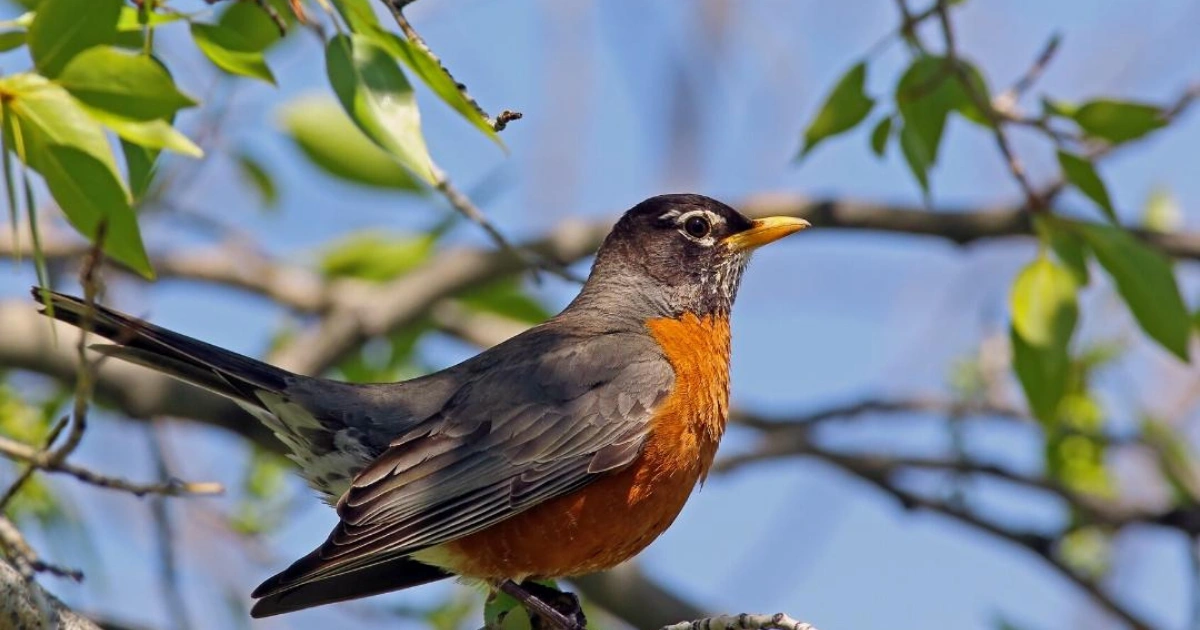
Robins: 2 to 5 Years
Robins are well-known for their bright orange-red breast and cheerful songs. While many robins face significant challenges during migration and breeding seasons, some individuals can survive for several years.
Factors affecting robin survival include:
- Severe weather
- Predation
- Habitat loss
- Availability of insects and berries
A healthy habitat with native plants can greatly support local robin populations.
Squirrels: 6 to 12 Years
Squirrels often live longer than many people expect. In the wild, some individuals reach ten years or more, particularly when food supplies are stable and predators are limited.
Squirrels benefit from:
- Mature trees
- Reliable food sources
- Safe nesting locations
- Diverse woodland habitats
Urban squirrels frequently adapt well to human environments, though traffic remains a major risk.
Hedgehogs: 3 to 7 Years
Hedgehogs are beloved garden visitors in many regions. Their spiny protection helps deter predators, but they still face numerous threats.
Common dangers include:
- Habitat fragmentation
- Road traffic
- Garden hazards
- Food shortages
Wildlife-friendly gardens can provide shelter and improve survival rates for local hedgehog populations.
Frogs: 5 to 10 Years
Frogs often live longer than many backyard visitors. Some species can survive for a decade or more under suitable conditions.
Healthy frog populations depend on:
- Clean water sources
- Wetland habitats
- Insect abundance
- Protection from pollution
Garden ponds frequently become important breeding sites and refuges for local amphibians.
Butterflies: 2 to 6 Weeks
Adult butterflies generally have some of the shortest lifespans among common garden wildlife. However, the exact lifespan varies significantly between species.
Although many adult butterflies live only a few weeks, their complete life cycle includes:
- Egg stage
- Caterpillar stage
- Chrysalis stage
- Adult butterfly stage
Some migratory species can survive considerably longer than typical garden butterflies.
Honeybees: 4 to 6 Weeks
Worker honeybees have relatively short lives, especially during active summer months when they spend significant energy collecting nectar and pollen.
Within a bee colony:
- Worker bees usually live several weeks
- Drones often survive only part of the breeding season
- Queens may live several years
Despite their short individual lifespan, honeybee colonies function as long-term social communities.
Mice: 1 to 2 Years
Wild mice experience intense predation pressure from owls, foxes, snakes, and domestic cats.
Their short lifespan is balanced by:
- Rapid reproduction
- Large litter sizes
- Fast maturation
This strategy allows mouse populations to remain stable despite high mortality rates.
Snails: 2 to 5 Years
Garden snails are surprisingly resilient animals. Many species can survive for several years when environmental conditions remain favorable.
Their lifespan depends on:
- Moisture availability
- Predator pressure
- Winter conditions
- Habitat quality
Some larger snail species may live even longer than the average backyard snail.
What Determines Wildlife Longevity?
Understanding backyard animal lifespan requires looking beyond species averages. Individual animals experience different survival outcomes depending on their environment.
Habitat Quality
Animals living in areas with abundant food, water, and shelter generally have better survival prospects.
Features that support wildlife include:
- Native plants
- Mature trees
- Water sources
- Undisturbed nesting areas
- Natural ground cover
Predators
Predation is one of the leading causes of death for many small backyard animals.
Common predators include:
- Hawks
- Owls
- Foxes
- Snakes
- Domestic cats
Predator-prey relationships help maintain ecological balance within natural systems.
Climate and Weather
Extreme temperatures, droughts, floods, and severe storms can significantly impact wildlife populations.
Young animals are especially vulnerable during periods of harsh weather.
Human Activity
Human development affects wildlife survival in numerous ways.
Potential impacts include:
- Habitat loss
- Pesticide use
- Road traffic
- Pollution
- Window collisions for birds
Wildlife-friendly practices can help reduce many of these risks.
How to Support Longer, Healthier Wildlife Lives
Homeowners can make simple changes that benefit local animals.
Consider these wildlife-friendly strategies:
Plant Native Species
Native plants provide food and shelter that local wildlife evolved alongside.
Benefits include:
- Better nectar sources for pollinators
- More insects for birds
- Improved nesting opportunities
Add a Water Source
Birdbaths, ponds, and shallow water dishes can help many species, especially during hot weather.
Reduce Chemical Use
Limiting pesticides and herbicides supports insects, amphibians, birds, and mammals that depend on healthy ecosystems.
Create Shelter Areas
Leave some natural areas undisturbed.
Examples include:
- Log piles
- Leaf litter
- Dense shrubs
- Wildflower patches
These features provide refuge for many small animals.
Why Lifespan Matters in Ecosystems
Every species contributes to ecological balance regardless of how long it lives.
Short-lived species such as bees and butterflies provide critical pollination services. Longer-lived animals like squirrels help disperse seeds that contribute to forest regeneration. Frogs help control insect populations, while birds play important roles in seed dispersal and pest management.
Understanding wildlife longevity helps us appreciate the interconnected nature of backyard ecosystems.
Frequently Asked Questions
Which backyard animal lives the longest?
Among the animals commonly found in gardens and backyards, squirrels are often among the longest-lived, with some individuals surviving 10 to 12 years in favorable conditions.
Why do butterflies have such short lifespans?
Most adult butterflies focus primarily on feeding, reproduction, and migration. Although the adult stage may last only weeks, the entire life cycle can span several months.
How long do wild birds typically live?
Small backyard birds often live between 2 and 6 years on average, though some individuals can survive much longer under ideal conditions.
Do garden frogs really live up to 10 years?
Many frog species can survive for several years, and some may reach or exceed 10 years when suitable habitat and protection from predators are available.
Can gardeners help wildlife live longer?
Yes. Providing native plants, water sources, shelter, and reducing pesticide use can improve habitat quality and increase survival opportunities for many species.
Conclusion
The world of backyard wildlife is far more complex than many people realize. Some creatures, such as butterflies and honeybees, complete their adult lives in just a few weeks, while squirrels, frogs, and hedgehogs may survive for years.
By understanding backyard animal lifespan and the environmental factors that influence survival, homeowners can make informed decisions that support healthier ecosystems. Even small changes in garden management can provide meaningful benefits for the birds, pollinators, amphibians, and mammals that share our outdoor spaces.
Suggested Internal Links for SecretsoftheGreenGarden.com
Consider linking to related articles using anchor text such as:
- How to Create a Wildlife-Friendly Garden
- Best Native Plants for Pollinators
- How Garden Ponds Support Frogs and Beneficial Wildlife
Suggested External Resources
For readers seeking additional information, consider referencing:
- U.S. Fish & Wildlife Service Wildlife Resources
- Smithsonian National Zoo & Conservation Biology Institute
- Cornell Lab of Ornithology Bird Research and Education
Related Keywords: wildlife lifespan, garden wildlife, backyard animals, animal longevity, pollinator life cycle, wild bird lifespan, urban wildlife, ecosystem health, nature conservation.