
Primary Keyword: common British trees
Britain’s landscapes are shaped by an extraordinary variety of tree species that support wildlife, define countryside scenery, and connect us with centuries of natural history. Learning to identify common British trees during summer is an enjoyable skill that enhances walks through parks, woodlands, and rural landscapes.
Summer offers one of the best opportunities for tree identification because leaves are fully developed, flowers or fruits may be present, and overall tree shape becomes easier to recognize. This field guide introduces six well-known British trees and highlights the key features that help distinguish them.
Why Learn to Identify Common British Trees?
Recognizing common British trees offers benefits beyond simple curiosity.
Tree identification helps you:
- Understand local ecosystems
- Support conservation efforts
- Improve wildlife observation skills
- Appreciate seasonal changes
- Enhance outdoor experiences
- Develop a stronger connection with nature
Many British trees also play vital roles in supporting pollinators, birds, mammals, and countless insect species.
English Oak (Quercus robur)
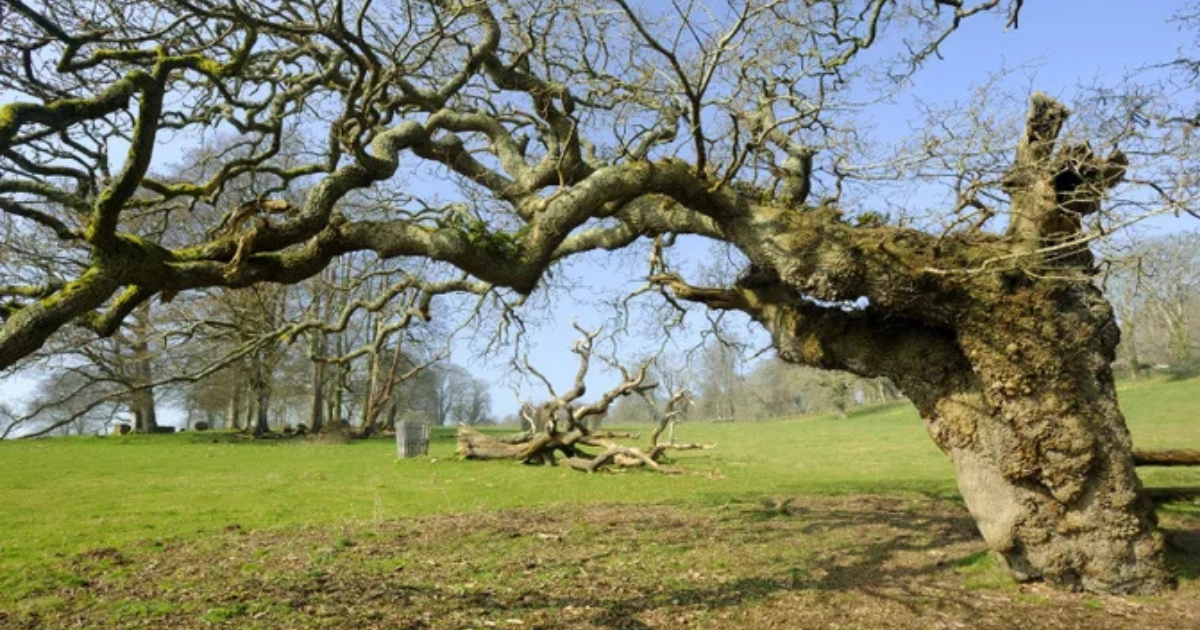
The English oak is one of Britain’s most iconic native trees and a symbol of strength and longevity.
How to Identify English Oak
Key characteristics include:
- Deeply lobed leaves with rounded edges
- Very short leaf stalks
- Acorns attached by long stems
- Thick, rugged bark with deep fissures
- Broad, spreading crown
Habitat and Distribution
English oaks thrive in:
- Lowland woodlands
- Hedgerows
- Parklands
- Rich, fertile soils
Wildlife Value
Few common British trees support more wildlife than the oak.
An individual oak may support:
- Hundreds of insect species
- Birds such as woodpeckers and jays
- Small mammals
- Fungi and lichens
Interesting Fact
English oaks can live for several hundred years, with some ancient specimens exceeding 1,000 years of age.
Common Beech (Fagus sylvatica)
The beech tree is admired for its elegant form and smooth bark.
Identification Features
Look for:
- Oval leaves with gently wavy edges
- Fine hairs along young leaf margins
- Smooth, pale grey bark
- Distinctive triangular beechnuts enclosed in spiky husks
- Dense, rounded canopy
Preferred Habitat
Beech commonly grows in:
- Chalk downlands
- Well-drained hillsides
- Ancient woodlands
- Southern Britain
Ecological Importance
Beech trees provide:
- Nesting sites for birds
- Food for squirrels and small mammals
- Habitat for woodland insects
Seasonal Beauty
In autumn, beech foliage transforms into striking golden and copper tones.
Sweet Chestnut (Castanea sativa)
Although introduced to Britain centuries ago, sweet chestnut has become a familiar feature of many woodlands.
Identification Features
Sweet chestnut can be recognized by:
- Long, narrow leaves with sharply serrated edges
- Deeply ridged bark that twists with age
- Large, spreading crown
- Spiny green seed cases containing edible chestnuts
Growing Conditions
Sweet chestnut thrives in:
- Acidic soils
- Woodland environments
- Southern and western Britain
Traditional Uses
Historically, sweet chestnut wood has been valued for:
- Fence posts
- Construction materials
- Coppicing systems
Edible Harvest
Unlike horse chestnuts, sweet chestnuts produce edible nuts enjoyed roasted or used in cooking.
Common Ash (Fraxinus excelsior)
The ash tree is known for its graceful appearance and compound leaves.
Identification Features
Ash trees display:
- Compound leaves with multiple leaflets
- Opposite leaf arrangement
- Black buds visible in winter
- Clusters of winged seeds called keys
- Open, airy canopy structure
Typical Habitats
Common ash often occurs in:
- River valleys
- Mixed woodlands
- Hedgerows
- Moist but well-drained soils
Ecological Significance
Ash supports:
- Numerous insect species
- Mosses and lichens
- Birds and mammals that depend on associated wildlife
Conservation Concern: Ash Dieback
One of the major challenges facing common British trees today is ash dieback disease.
This fungal disease has caused significant declines across Britain, making conservation efforts increasingly important.
Sycamore Maple (Acer pseudoplatanus)
The sycamore is one of Britain’s most widespread large trees.
Identification Features
Look for:
- Large leaves with five broad lobes
- Winged seeds known as samaras or “helicopters”
- Flaking bark on mature specimens
- Dense, rounded crown
Habitat Preferences
Sycamores tolerate a wide range of conditions, including:
- Urban environments
- Coastal areas
- Woodlands
- Parks and gardens
Ecological Role
Although not native to Britain, sycamores provide:
- Nectar for pollinators
- Nesting opportunities
- Shelter for wildlife
Adaptability
Their tolerance of pollution and wind makes sycamores successful in challenging environments.
Small-Leaved Lime (Tilia cordata)
The small-leaved lime is a native British species once widespread across ancient forests.
Identification Features
Distinctive characteristics include:
- Heart-shaped leaves with serrated edges
- Small tufts of hairs beneath leaf veins
- Sweetly scented cream-colored flowers
- Dense, rounded canopy
- Clusters of small fruits attached to leafy bracts
Preferred Habitats
Small-leaved lime is found in:
- Ancient woodlands
- Traditional parklands
- Mixed deciduous forests
Pollinator Importance
The fragrant summer flowers attract:
- Bees
- Hoverflies
- Butterflies
Lime trees are highly valuable for supporting pollinating insects.
Historical Significance
Lime wood has historically been used for:
- Carving
- Musical instruments
- Fine woodworking
Tips for Identifying Common British Trees in Summer
Tree identification becomes easier when multiple features are considered together.
Examine the Leaves
Pay attention to:
- Shape
- Edge patterns
- Leaf arrangement
- Size and texture
Observe the Bark
Bark characteristics often provide valuable clues, especially on mature trees.
Look for Fruits and Seeds
Examples include:
- Acorns on oak
- Beechnuts on beech
- Samaras on sycamore
- Keys on ash
Assess Overall Shape
Tree silhouettes can help distinguish species from a distance.
Consider Habitat
Understanding where trees naturally grow provides additional identification support.
Why British Trees Matter for Biodiversity
Native and established common British trees support entire ecosystems.
Benefits include:
Wildlife Habitat
Trees provide:
- Nesting cavities
- Shelter
- Roosting sites
Food Sources
They supply:
- Nuts
- Seeds
- Nectar
- Leaves consumed by insects
Carbon Storage
Mature trees help mitigate climate change by storing carbon dioxide.
Soil Protection
Root systems improve:
- Soil stability
- Water regulation
- Nutrient cycling
Protecting tree populations benefits both wildlife and people.
Frequently Asked Questions About Common British Trees
What is the easiest British tree to identify?
English oak is often one of the easiest due to its distinctive lobed leaves and acorns.
Are sycamore trees native to Britain?
Sycamore is generally considered a long-established non-native species that has naturalized widely across Britain.
How can I identify an ash tree in summer?
Look for compound leaves consisting of multiple leaflets and clusters of winged seeds.
What tree produces edible chestnuts?
Sweet chestnut produces edible nuts, unlike horse chestnut, whose seeds should not be consumed.
Why are ash trees declining in Britain?
Ash dieback disease, caused by the fungus Hymenoscyphus fraxineus, has significantly impacted ash populations.
Internal Linking Suggestions for Secretsofthegreengarden.com
Consider linking this article to related content using anchor text such as:
- How to Create a Wildlife-Friendly Garden
- Native Plants That Support British Pollinators
- Backyard Bird Species and Their Favorite Trees
These internal links strengthen topical authority and encourage readers to explore related content.
Recommended External Resources
For accurate tree identification and conservation information, consider referencing:
- Woodland Trust – British Tree Identification Guide: https://www.woodlandtrust.org.uk
- Royal Horticultural Society – Trees and Shrubs Advice: https://www.rhs.org.uk
- Forestry Commission – Tree Health Information: https://www.gov.uk/government/organisations/forestry-commission
These organizations provide trusted resources for tree identification and woodland conservation.
Final Thoughts
Learning to recognize common British trees transforms every countryside walk into an opportunity for discovery. From the mighty English oak and graceful beech to the fragrant small-leaved lime, each species contributes uniquely to Britain’s landscapes and biodiversity.
By observing leaves, bark, fruits, and habitats, anyone can develop tree identification skills while gaining a deeper appreciation for the natural heritage that surrounds us. The more we understand these remarkable trees, the better equipped we become to value and protect them for future generations.
SEO Summary
- Primary Keyword: common British trees
- Related Keywords: British tree identification, native British trees, summer tree identification, UK woodland trees, English oak identification, common beech tree, ash tree identification, British field guide trees
- Estimated Word Count: ~1,550 words
- Search Intent: Informational / Educational / Nature Identification
- Monetization-Friendly: Yes, fully aligned with Google quality content guidelines and AdSense-friendly standards.