
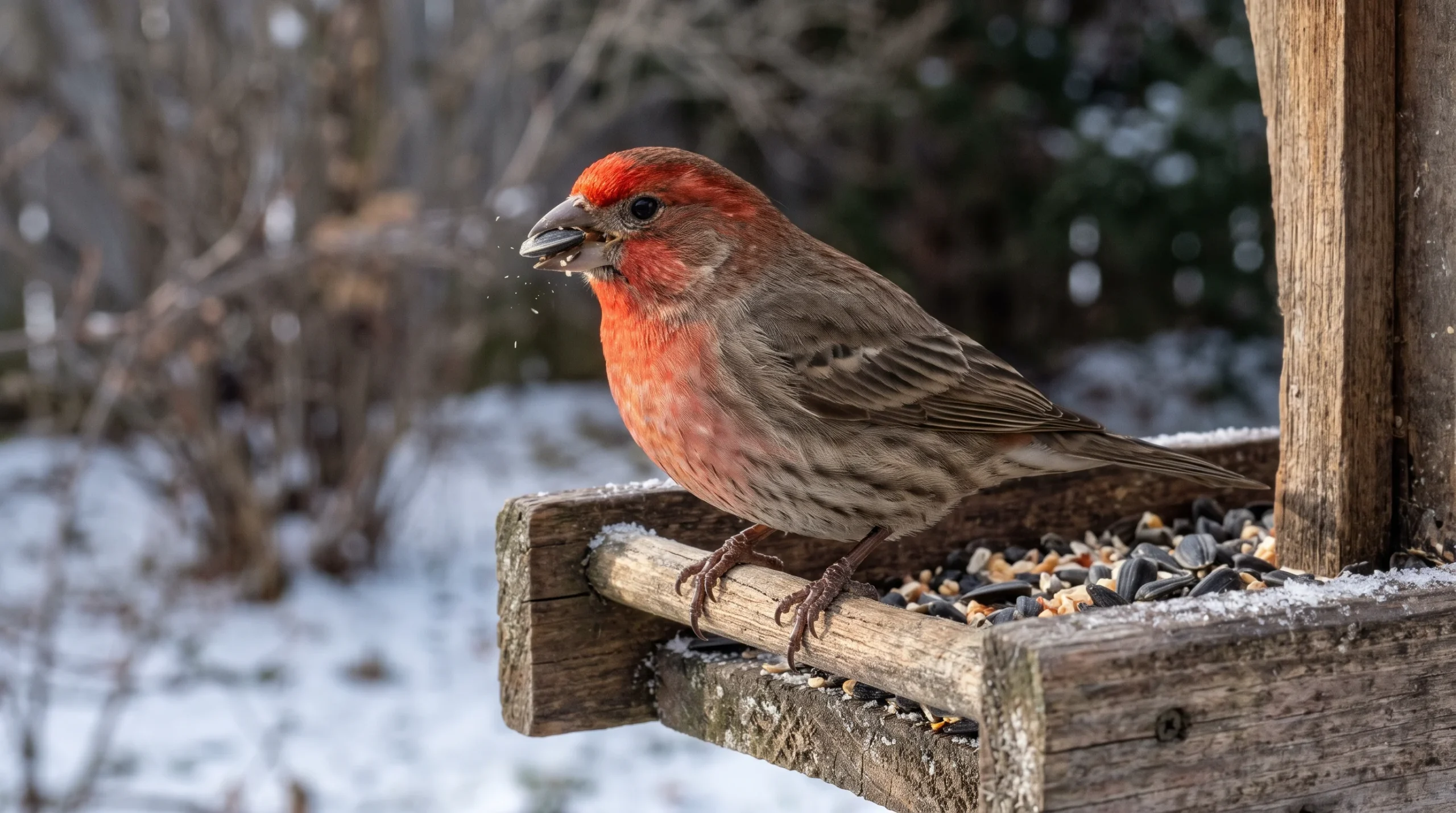
Watch a small bird pick up a sunflower seed, crack its shell, and swallow the kernel in seconds. Without teeth to chew their food, birds rely on a remarkable digestive system that processes even relatively tough seeds. At the center of this system is the bird gizzard, a muscular organ that helps break food into smaller particles.
Some birds also swallow tiny stones and grains of sand to assist this natural grinding process. Together, these adaptations allow seed-eating birds to obtain valuable nutrients from foods that are particularly important during winter.
Understanding how birds digest seeds can help backyard bird enthusiasts choose better feeder foods and create a healthier environment for their feathered visitors.
Table of Contents
- How Seed-Eating Birds Handle Their Food
- What Is a Bird Gizzard?
- How the Bird Gizzard Works
- Why Some Birds Swallow Grit and Small Stones
- Why Seeds Are Important Winter Food for Birds
- How to Choose the Best Seeds for Bird Feeders
- Why Bird Feeder Hygiene Matters
- Providing Fresh Water for Backyard Birds
- Frequently Asked Questions
How Seed-Eating Birds Handle Their Food
Birds have evolved an impressive variety of bill shapes that reflect their feeding habits. Seed-eating species often possess specialized bills that allow them to manipulate, crack, and remove the protective outer coverings of seeds.
Finches, sparrows, and Northern Cardinals typically have strong, relatively short bills suited to handling seeds.
However, not all seed-eating birds process their food in the same way.
Cracking Seeds With the Bill
Many finches use their bills and tongues together to position seeds before applying pressure to crack their shells.
The edible kernel is swallowed, while the empty husk is discarded. This explains why piles of sunflower seed shells often accumulate beneath backyard bird feeders.
Northern Cardinals also use their powerful bills to open seeds and access the nutritious material inside.
Swallowing Seeds Whole
Other birds, including many doves and pigeons, frequently swallow seeds whole.
Instead of removing the outer covering with their bills, they rely more heavily on internal digestive processes.
The bird gizzard is especially important for species that regularly consume whole seeds because it helps break down their protective coverings.
Holding Seeds Against Branches
Chickadees, nuthatches, and some other woodland birds use another technique.
They may carry a seed away from a feeder, hold it against a branch or between their feet, and repeatedly strike it with their bills.
This allows them to open seeds that might otherwise be difficult to handle.
These different feeding strategies demonstrate how bird anatomy and behavior work together to make food accessible.
What Is a Bird Gizzard?
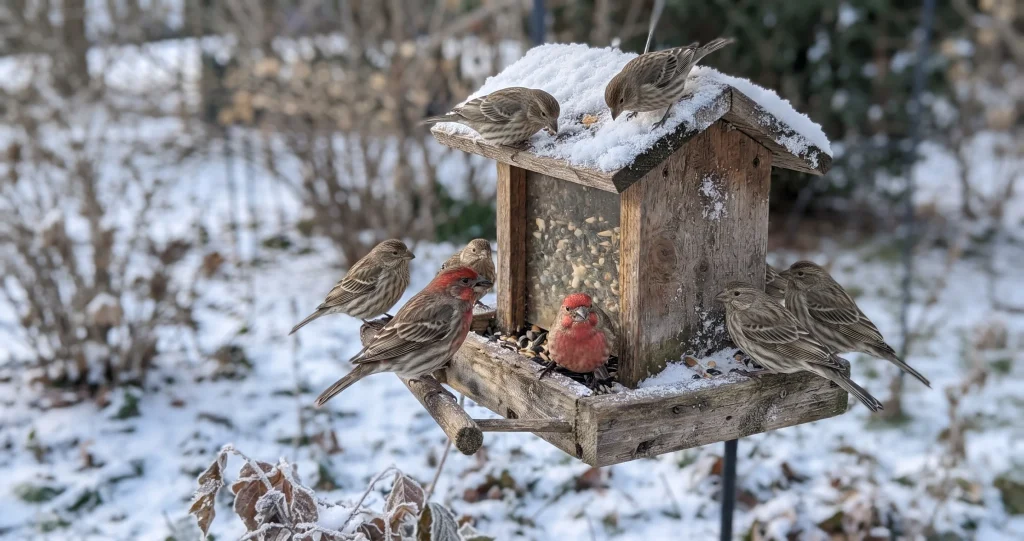
The bird gizzard is a specialized muscular part of the digestive system. It is also known as the ventriculus or muscular stomach.
Unlike mammals, birds do not have teeth for chewing. Their digestive systems compensate by processing food through a combination of chemical digestion and mechanical grinding.
The gizzard performs much of the mechanical work.
Where Is the Gizzard Located?
A bird’s digestive tract includes several structures that help transport, store, and process food.
After swallowing, food travels through the esophagus. In species with a well-developed crop, it may temporarily remain there before continuing through the digestive system.
Food then passes into the proventriculus, the glandular portion of the stomach, where digestive acids and enzymes begin breaking it down.
From there, it moves into the gizzard for further mechanical processing.
A Natural Grinding Machine
The bird gizzard contains strong muscular walls that repeatedly contract around food particles.
Its interior is protected by a tough lining that helps withstand the friction created during grinding.
In seed-eating birds, the gizzard may be particularly well developed because their diet includes firm foods requiring substantial mechanical processing.
However, gizzard size and muscular strength vary according to species and feeding habits.
How the Bird Gizzard Works
The digestive process begins before food reaches the gizzard. Chemical secretions from the glandular stomach help prepare swallowed material for further breakdown.
The bird gizzard then uses muscular contractions to compress, grind, and mix the food.
This process increases the surface area available to digestive enzymes, making nutrients more accessible.
Step 1: Food Enters the Digestive System
A bird collects food using its bill and swallows either the edible kernel or the entire seed, depending on its feeding strategy.
Some species temporarily store food in the crop, allowing them to collect several items before processing them.
Not every bird possesses a prominent crop, and its development varies among species.
Step 2: Chemical Digestion Begins
The proventriculus releases digestive secretions that begin breaking down food.
These secretions help prepare proteins and other food components for further digestion.
The partially processed material then enters the muscular stomach.
Step 3: The Gizzard Grinds the Food
Strong muscular contractions repeatedly press food against other particles and, when present, small pieces of grit.
This action can break seed coverings and reduce larger food fragments into smaller particles.
The grinding process is particularly useful for birds that swallow seeds whole.
Step 4: Nutrients Become Available
Processed food moves into the intestines, where digestive enzymes continue breaking down carbohydrates, fats, and proteins.
Nutrients are absorbed through the intestinal walls and distributed throughout the body.
These nutrients provide energy for flight, temperature regulation, tissue maintenance, and other essential biological functions.
Why Some Birds Swallow Grit and Small Stones
Finding a bird picking up tiny stones from a gravel path may seem unusual. However, this behavior serves an important digestive purpose in many species.
Small, hard particles swallowed by birds are commonly referred to as grit.
When retained inside the bird gizzard, these particles can assist the mechanical breakdown of tough food.
How Grit Helps Grind Seeds
Grit functions somewhat like the grinding surfaces of a miniature mill.
As the gizzard contracts, hard particles press against seeds and other food fragments, helping reduce them into smaller pieces.
Over time, retained grit may become worn down or pass through the digestive tract.
Birds that regularly use grit may replenish it naturally while foraging.
Soluble and Insoluble Grit
There are two broad categories of grit.
Insoluble grit includes hard mineral particles such as quartz and small stones. These materials can remain in the gizzard and contribute to mechanical grinding.
Soluble grit, such as crushed oyster shells, gradually dissolves and can provide calcium.
Although both may be consumed by birds, they serve different nutritional and digestive purposes.
Do All Seed-Eating Birds Need Grit?
Grit requirements vary considerably among bird species.
Birds that swallow whole seeds, such as many pigeons and doves, often benefit from retained grinding particles.
Species that remove seed shells before swallowing may rely less on grit, although some still consume it naturally.
The presence of a bird gizzard does not mean every species needs supplemental grit.
For ordinary backyard bird feeding, providing appropriate food and clean water is generally more important than deliberately supplying stones or commercial grit products.
For a more detailed scientific explanation of this process, Colorado State University’s guide to avian digestive anatomy and physiology describes how the muscular and glandular stomachs work together to process food. vivo.colostate.edu+1
Why Seeds Are Important Winter Food for Birds
Winter presents several challenges for wild birds. Shorter daylight hours reduce foraging opportunities, low temperatures increase energy demands, and snow may cover natural food sources.
Insects also become less accessible in many colder regions, making seeds an especially valuable resource for numerous resident bird species.
Seeds Provide Concentrated Energy
Many seeds contain substantial amounts of fats, proteins, and carbohydrates.
Oil-rich seeds, particularly sunflower seeds, provide concentrated energy that birds can use to maintain their body temperature during cold weather.
The bird gizzard helps process these foods, making their nutritional components more accessible during digestion.
Small birds have relatively high energy demands, especially when maintaining their body temperature through long winter nights.
Reliable natural food sources and well-maintained feeders can supplement their winter diet.
Natural Seeds in the Garden
Backyard feeders are not the only source of winter nutrition.
Leaving mature seed heads on suitable garden plants allows birds to forage naturally throughout autumn and winter.
Purple coneflowers, black-eyed Susans, native grasses, and sunflowers can provide seasonal food while supporting a more diverse garden ecosystem.
Leaving some healthy seed-bearing stems standing until spring can contribute to a wildlife-friendly landscape.
How to Choose the Best Seeds for Bird Feeders
Different bird species have different feeding preferences. Selecting suitable seeds can attract a wider range of birds while reducing unnecessary waste.
Understanding how the bill and bird gizzard work together also helps explain why certain seeds appeal to particular species.
Black Oil Sunflower Seeds
Black oil sunflower seeds are an excellent general-purpose choice for backyard feeders.
Their relatively thin shells are accessible to many seed-eating birds, and their kernels provide valuable fats.
Cardinals, chickadees, finches, and nuthatches frequently visit feeders containing these seeds.
Hulled Sunflower Seeds
Hulled sunflower seeds have already had their outer shells removed.
They reduce the accumulation of discarded husks beneath feeders and provide readily accessible food for many species.
However, exposed kernels can spoil more readily when damp, so offer manageable quantities and keep them protected from rain and snow.
Nyjer Seeds
Nyjer seeds are particularly attractive to American Goldfinches and several other small finch species.
Because the seeds are extremely small, specialized feeders with narrow openings help reduce spillage.
Store them carefully and replace old seed if birds stop visiting the feeder.
White Proso Millet
White proso millet is popular with many ground-feeding birds, including Mourning Doves, juncos, and native sparrows.
Offer small quantities in clean, low-platform feeders rather than allowing large amounts to accumulate on wet ground.
Safflower Seeds
Safflower seeds have relatively thick shells and are readily eaten by some species, including Northern Cardinals.
They can provide an alternative to sunflower seeds, although feeding preferences vary between locations.
Quick Guide to Winter Birdseed
| Seed type | Common visitors | Main advantage |
|---|---|---|
| Black oil sunflower | Cardinals, chickadees, finches | Energy-rich kernels |
| Hulled sunflower | Finches, nuthatches, chickadees | Less shell waste |
| Nyjer | Goldfinches, Pine Siskins | Suitable for small finches |
| White proso millet | Doves, juncos, sparrows | Appeals to ground feeders |
| Safflower | Cardinals, some grosbeaks | Alternative seed variety |
The Cornell Lab of Ornithology’s guide to birdseed varieties provides additional information about selecting foods for different backyard species. All About Birds
Why Bird Feeder Hygiene Matters
Providing nutritious seeds is only part of responsible bird feeding.
Even a highly efficient bird gizzard cannot protect an animal from every pathogen or contaminant found in spoiled food.
Dirty feeders can contribute to the spread of infectious diseases, particularly when many birds gather around the same feeding station.
Clean Feeders Regularly
As a general guideline, clean seed feeders about once every two weeks.
More frequent cleaning may be necessary during rainy weather, heavy feeder use, or periods of reported disease outbreaks.
Remove old seed, scrub away debris, disinfect appropriately, rinse thoroughly, and allow the feeder to dry completely before refilling it.
Keep Seeds Dry and Fresh
Store birdseed in a clean, dry, securely closed container.
Discard seeds that smell musty, show visible mold, or have become wet and compacted.
Feeders with suitable roofs and drainage openings can help reduce moisture accumulation.
Maintain the Ground Beneath Feeders
Discarded shells, uneaten seeds, and droppings often accumulate underneath feeding stations.
Regularly remove this material to reduce contamination and discourage unwanted rodent activity.
If sick birds appear around your feeders, temporarily suspend feeding, clean the equipment, and follow local wildlife agency recommendations before resuming. All About Birds
Providing Fresh Water for Backyard Birds
Water is an essential resource throughout the year, including during freezing weather.
Birds need water for normal physiological functions, hydration, and feather maintenance.
When natural water sources freeze, a carefully maintained birdbath can provide a useful alternative.
Choose a Shallow Birdbath
A shallow basin with gently sloping sides allows small birds to approach the water comfortably.
A textured surface or securely positioned stones can provide additional footing.
Place the bath where birds have a clear view of their surroundings and nearby shelter from predators.
Prevent Water From Freezing
During prolonged freezing weather, an outdoor-rated heated birdbath can help maintain access to liquid water.
Alternatively, replace frozen water regularly whenever practical.
Avoid adding salt, antifreeze, or other chemicals to prevent freezing. These substances can be harmful to wildlife.
Keep Drinking Water Clean
Replace drinking water daily when possible and remove accumulated droppings, leaves, and sediment.
Scrub the basin regularly to prevent the buildup of organic material.
Combining clean water, suitable seeds, and natural shelter creates a more supportive environment for winter birds than food alone.
Frequently Asked Questions
Do all birds have a gizzard?
Yes. Birds possess a muscular stomach, although its size, strength, and structure vary considerably depending on their diet and species.
Can a bird gizzard digest stones?
Small stones are generally used as grinding particles rather than food. Insoluble grit gradually wears down or passes through the digestive system.
Do birds swallow sunflower seeds whole?
Some birds swallow seeds whole, while others remove the shells before consuming the kernels. Finches, cardinals, and chickadees commonly open sunflower seeds before eating them.
Should I put grit in my backyard bird feeder?
Supplemental grit is generally unnecessary for ordinary wild bird feeding. Birds that require grit can usually obtain suitable mineral particles from their natural surroundings.
What is the difference between a crop and a gizzard?
The crop primarily serves as a temporary food storage area in species that possess one. The gizzard is a muscular digestive organ responsible for mechanically processing food.
Can birds digest seeds without grit?
Many birds can process seeds without relying heavily on grit, particularly when they remove the outer coverings before swallowing. Grit use depends on the species and its feeding habits.
What are the best seeds for birds in winter?
Black oil sunflower seeds are a versatile option for many backyard species. Hulled sunflower, Nyjer, safflower, and white proso millet can provide additional variety.
Conclusion
The next time you watch a bird cracking a sunflower seed, remember that much of the digestive work is still to come.
The bird gizzard represents a remarkable evolutionary solution to eating without teeth. Its muscular walls, protective lining, and, in many species, retained grit help transform tough food into usable nutrients.
For backyard bird enthusiasts, understanding this process provides another reason to choose high-quality seeds, maintain clean feeders, offer fresh water, and preserve natural food sources.
These small actions can complement the extraordinary adaptations that allow wild birds to survive changing seasons.nal visitors.
External Dofollow Sources
1. Digestive Anatomy and Physiology of Birds
Scientific information about avian stomach anatomy, muscular contractions, grit, and digestive mechanisms. Colorado State University. https://vivo.colostate.edu/hbooks/pathphys/digestion/birds.html
2. Feeding Birds: A Quick Guide to Seed Types
Expert recommendations about birdseed varieties, nutritional value, feeding preferences, and suitable feeder foods. Cornell Lab of Ornithology. https://www.allaboutbirds.org/news/types-of-bird-seed-a-quick-guide/
3. How to Clean Your Bird Feeder
Research-based recommendations for feeder hygiene, disease prevention, seed contamination, and cleaning frequency. Cornell Lab of Ornithology. https://www.allaboutbirds.org/news/how-to-clean-your-bird-feeder/