
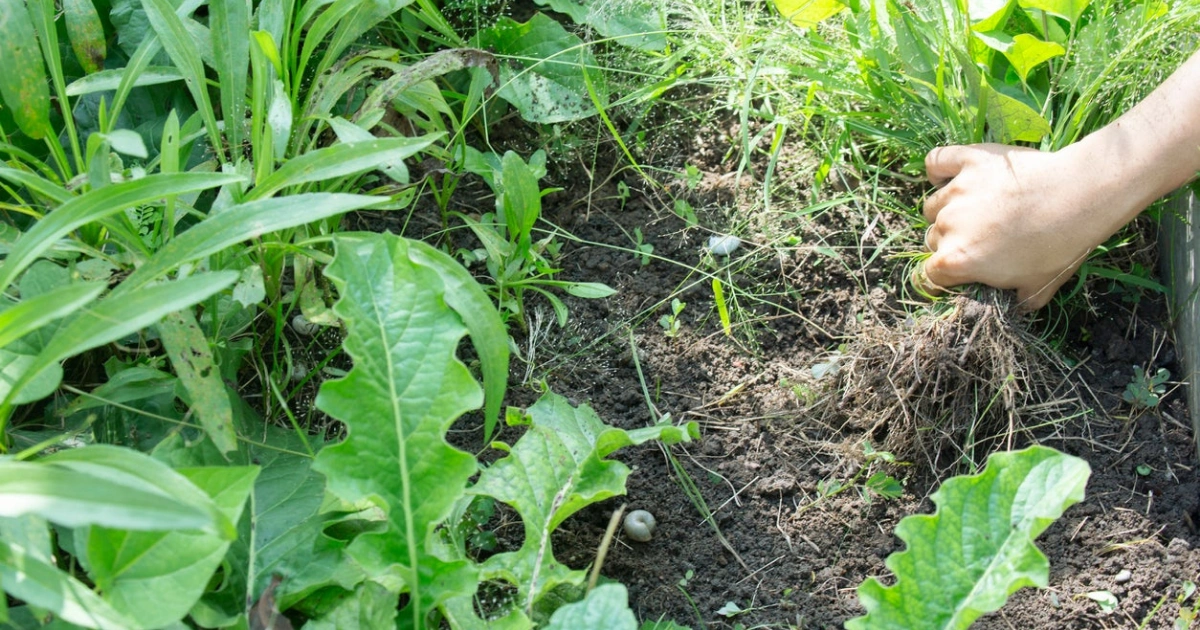
Primary Keyword: weeds as soil indicators
Many gardeners see weeds as a nuisance, but these resilient plants can serve as valuable messengers. Certain species thrive under specific soil conditions, making them useful weeds as soil indicators that offer clues about compaction, nutrient imbalances, drainage issues, and soil pH. Instead of immediately reaching for the hoe, taking a closer look at the weeds growing in your garden may help you better understand what your soil needs.
While weeds alone should never replace a professional soil test, they can provide practical insights that guide your gardening decisions. This guide explores common weeds and the soil conditions they often indicate, helping you create healthier, more productive growing spaces.
Why Use Weeds as Soil Indicators?
Plants naturally adapt to environments where they can thrive. Certain weeds become dominant because they tolerate or even prefer specific soil conditions.
Using weeds as soil indicators can help gardeners:
- Identify compacted soil areas
- Recognize potential nutrient deficiencies
- Understand drainage problems
- Detect possible pH imbalances
- Improve soil management strategies
- Reduce unnecessary amendments
Think of weeds as nature’s diagnostic tools.
Important Note About Soil Indicators
While weeds provide useful clues, several factors influence plant growth, including:
- Climate
- Moisture levels
- Disturbance history
- Sun exposure
- Local ecology
The presence of a single weed species doesn’t confirm a specific soil problem. However, recurring patterns involving multiple indicator plants can provide valuable guidance.
For the most accurate assessment, combine weed observations with laboratory soil testing.
Daisy (Bellis perennis)
Daisies are charming flowers, but their abundance may reveal important information about soil structure.
Possible Soil Conditions
Daisy populations are often associated with:
- Acidic soils
- Compacted ground
What This Means
Compacted soil restricts:
- Root development
- Water infiltration
- Oxygen availability
How to Improve Conditions
Consider:
- Aerating compacted areas
- Adding compost to improve structure
- Avoiding excessive foot traffic
Improving soil biology often enhances long-term soil health.
Ground Ivy (Glechoma hederacea)
Also known as creeping Charlie, ground ivy can spread aggressively in lawns and shaded areas.
Possible Soil Conditions
Ground ivy may indicate:
- Damp soil
- Poor drainage
- Soil compaction
What This Means
Persistently moist conditions can:
- Limit oxygen availability
- Encourage shallow root systems
- Stress some garden plants
Recommended Solutions
To improve these conditions:
- Increase organic matter content
- Improve drainage where possible
- Reduce excessive irrigation
- Relieve compaction through aeration
Dandelion (Taraxacum officinale)
Dandelions are among the most recognizable weeds as soil indicators.
Possible Soil Conditions
Dandelions may occur in soils that are:
- Low in nitrogen
- Compacted
- Alkaline
- Disturbed
Why Dandelions Thrive
Their deep taproots allow them to:
- Access nutrients unavailable to shallow-rooted plants
- Penetrate compacted layers
- Improve soil structure naturally
Soil Improvement Tips
Consider:
- Applying compost
- Planting cover crops
- Conducting a soil nutrient analysis
Interestingly, dandelions may contribute positively to soil aeration.
Stinging Nettle (Urtica dioica)
Stinging nettles often grow vigorously in nutrient-rich environments.
Possible Soil Conditions
Their presence may suggest:
- High nutrient availability
- Elevated nitrogen levels
- Rich organic matter
- Occasional soil compaction
What This Means
Nettle growth often indicates fertile conditions suitable for many crops.
Management Strategies
If nettles become problematic:
- Wear gloves during removal
- Compost harvested plants
- Monitor nutrient inputs
Nettles themselves can also be used in homemade plant fertilizers.
Wild Mustard (Sinapis arvensis)
Wild mustard commonly appears in disturbed areas.
Possible Soil Conditions
Its presence may indicate:
- Low fertility
- Compacted soil
- Recently disturbed ground
What This Means
These conditions may reduce crop productivity if left unaddressed.
Soil Improvement Approaches
Focus on:
- Adding compost
- Reducing soil disturbance
- Using mulch to protect soil structure
Building organic matter gradually improves fertility.
Clover (Trifolium spp.)
Clover often appears in lawns and less fertile soils.
Possible Soil Conditions
Clover may indicate:
- Low nitrogen levels
- Poor soil fertility
Why Clover Appears
As a nitrogen-fixing legume, clover forms beneficial relationships with bacteria that convert atmospheric nitrogen into plant-available forms.
Should You Remove Clover?
Many gardeners choose to retain some clover because it:
- Supports pollinators
- Improves soil fertility
- Enhances biodiversity
Clover can actually contribute to healthier soils.
Hawkweed (Hieracium spp.)
Hawkweed frequently colonizes difficult growing conditions.
Possible Soil Conditions
Its presence may suggest:
- Acidic soils
- Sandy soils
- Nutrient-poor environments
What This Means
Sandy soils often struggle with:
- Moisture retention
- Nutrient holding capacity
Improvement Strategies
Consider:
- Adding compost regularly
- Using mulch
- Conducting pH testing if necessary
Organic matter can dramatically improve sandy soil performance.
Garlic Mustard (Alliaria petiolata)
Garlic mustard is an invasive species in many regions.
Possible Soil Conditions
It commonly grows in:
- Shaded environments
- Compacted soils
- Woodland edges
Ecological Concerns
Beyond indicating soil conditions, garlic mustard can:
- Outcompete native plants
- Alter soil microbial communities
- Reduce biodiversity
Recommended Action
Where invasive, prompt removal may help protect local ecosystems.
Always follow regional management guidelines.
Oxalis (Wood Sorrel) (Oxalis spp.)
Oxalis is often recognized by its clover-like leaves.
Possible Soil Conditions
Wood sorrel may indicate:
- Acidic soils
- Shaded growing conditions
What This Means
Shade influences:
- Soil temperature
- Moisture retention
- Plant competition dynamics
Management Options
Depending on your goals:
- Embrace shade-tolerant planting schemes
- Adjust soil pH only if needed for specific crops
Not all acidic soils require correction.
Pigweed (Amaranthus spp.)
Pigweed often appears in productive garden soils.
Possible Soil Conditions
Pigweed may suggest:
- Fertile soil
- High nutrient availability
- Disturbed ground
What This Means
Rich soils support vigorous plant growth, including both crops and weeds.
Prevention Strategies
To reduce pigweed populations:
- Apply mulch
- Minimize bare soil exposure
- Remove plants before seed production
Healthy soils benefit crops but may also favor certain weeds.
Thistle (Cirsium spp.)
Thistles are highly adaptable plants found across diverse environments.
Possible Soil Conditions
They may occur in:
- Compacted soils
- Nutrient-poor soils
- Acidic conditions
- Alkaline conditions
Why Interpretation Matters
Because thistles tolerate various conditions, additional observations are necessary before drawing conclusions.
Management Recommendations
Improve soil health through:
- Compost additions
- Reduced compaction
- Cover cropping
- Soil testing
Comprehensive assessment provides the best results.
Using Weeds Alongside Soil Testing
Although weeds as soil indicators offer valuable clues, laboratory analysis remains the gold standard.
A soil test provides information about:
- pH levels
- Nutrient availability
- Organic matter content
- Recommendations for amendments
Combining both approaches offers the most complete understanding of your soil.
Improving Soil Naturally
Regardless of the specific indicators present, several practices consistently enhance soil health.
Add Organic Matter
Compost improves:
- Structure
- Water retention
- Nutrient availability
Reduce Compaction
Avoid:
- Excessive tilling
- Heavy traffic on wet soils
Use Cover Crops
Cover crops help:
- Protect soil
- Improve fertility
- Enhance biological activity
Apply Mulch
Mulch conserves moisture and suppresses unwanted weeds.
Healthy soils support healthier gardens.
Frequently Asked Questions About Weeds as Soil Indicators
Can weeds accurately diagnose soil problems?
Weeds provide useful clues but should complement, not replace, professional soil testing.
Why do dandelions grow in lawns?
Dandelions tolerate compacted soils and can thrive in low-fertility conditions.
Does clover mean my soil lacks nitrogen?
Clover is commonly associated with lower nitrogen levels because of its ability to fix atmospheric nitrogen.
Should all indicator weeds be removed?
Not necessarily. Some weeds provide ecological benefits while signaling opportunities for soil improvement.
What is the best way to confirm soil conditions?
Laboratory soil analysis provides the most accurate assessment of pH and nutrient status.
Internal Linking Suggestions for Secretsofthegreengarden.com
Consider linking this article to related content using anchor text such as:
- How to Improve Compacted Garden Soil Naturally
- The Benefits of Compost for Soil Health
- Cover Crops That Transform Garden Soil
These internal links strengthen topical authority and improve reader engagement.
Recommended External Resources
For science-based soil management information, consider referencing:
- USDA Natural Resources Conservation Service – Soil Health Resources: https://www.nrcs.usda.gov
- Royal Horticultural Society – Understanding Your Soil: https://www.rhs.org.uk
- University Extension Soil Testing Programs: https://extension.org
These organizations provide evidence-based guidance for soil improvement and management.
Final Thoughts
Understanding weeds as soil indicators allows gardeners to view unwanted plants from a new perspective. Rather than simply battling weeds, observing which species dominate your landscape can provide valuable insights into soil conditions and opportunities for improvement.
By combining careful observation with soil testing and sustainable gardening practices, you can address underlying issues that contribute to weed growth while building healthier, more productive soil. Sometimes, the plants we least appreciate have the most important lessons to teach.
SEO Summary
- Primary Keyword: weeds as soil indicators
- Related Keywords: soil indicator weeds, weeds that indicate soil problems, weed identification and soil health, soil compaction indicators, nutrient deficiency weeds, common garden weeds, improving soil naturally, soil condition indicators
- Estimated Word Count: ~1,550 words
- Search Intent: Informational / Educational / Organic Gardening
- Monetization-Friendly: Yes, fully aligned with Google quality content guidelines and AdSense-friendly standards.