
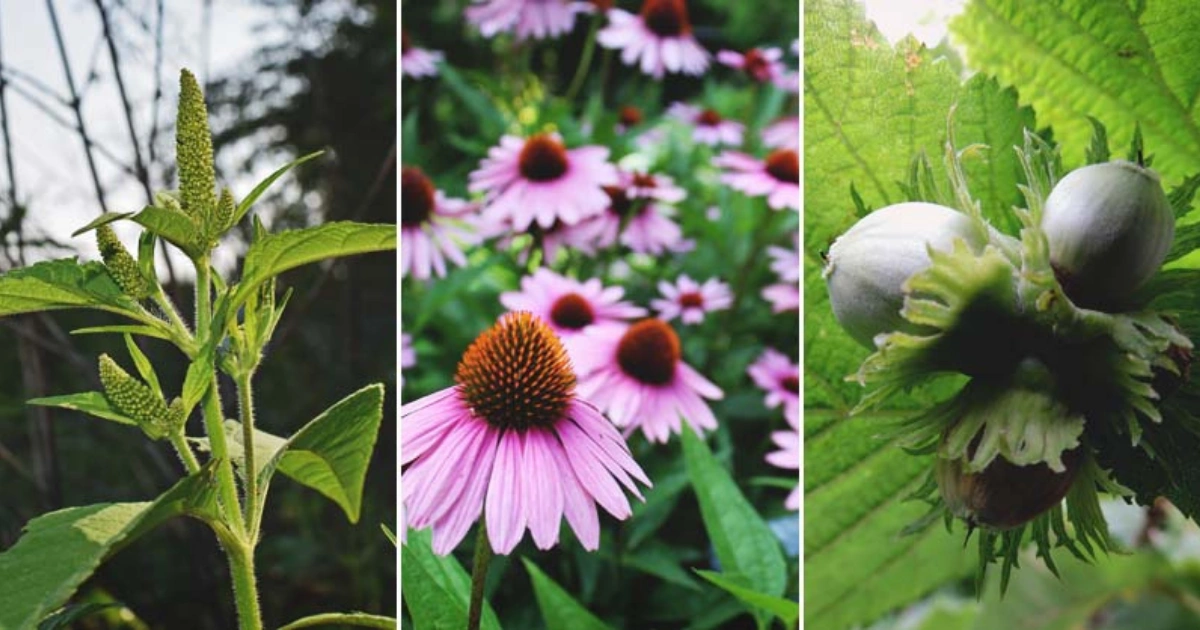
Primary Keyword: edible trees and shrubs
Many people associate edible gardening with vegetable beds and fruit orchards, but some of nature’s most versatile food sources grow on trees and shrubs. From elderflowers used in refreshing cordials to nutrient-rich mulberries and flavorful hazelnuts, edible trees and shrubs can transform landscapes into productive, beautiful, and wildlife-friendly spaces.
However, successful and safe foraging requires proper identification. Several edible species have toxic look-alikes, making accurate recognition essential before consuming any wild plant material. This guide explores some popular edible trees and shrubs, their traditional uses, and important safety considerations.
Why Grow Edible Trees and Shrubs?
Incorporating edible trees and shrubs into your landscape offers numerous benefits beyond food production.
Advantages include:
- Long-term food security
- Low-maintenance perennial harvests
- Improved biodiversity
- Habitat for pollinators and birds
- Reduced need for annual planting
- Attractive ornamental value
- Increased resilience in edible landscapes
Unlike annual crops, many edible trees and shrubs provide harvests for decades once established.
Important Safety Notice Before Foraging
Never consume any wild plant unless you are 100% certain of its identification.
Several edible species have toxic look-alikes that may cause serious illness or even death.
Always:
- Use multiple identification features
- Consult reliable field guides
- Seek guidance from experienced foragers
- Avoid harvesting near polluted areas
- Introduce new foods cautiously
Safe foraging begins with proper education.
1. Lime Tree (Tilia spp.)
Also known as linden trees, lime trees offer several edible parts.
Edible Uses
Young spring leaves can be:
- Added raw to salads
- Used as sandwich greens
The fragrant flowers are commonly used for:
- Herbal infusions
- Traditional teas
Growing Conditions
Lime trees thrive in:
- Full sun to partial shade
- Moist, well-drained soil
- Temperate climates
Their nectar-rich blossoms also attract pollinators.
2. Elder (Sambucus nigra)
Elder is one of the most valued edible trees and shrubs in traditional European foraging.
Edible Parts
Flowers
Elderflowers are often used to prepare:
- Cordials
- Fritters
- Syrups
- Herbal beverages
Berries
Cooked elderberries may be used in:
- Jellies
- Syrups
- Jams
- Wines
Safety Considerations
Raw berries, leaves, stems, and seeds contain compounds that should not be consumed uncooked.
Always process elderberries appropriately before eating.
3. Hazel (Corylus avellana)
Hazel provides both edible nuts and seasonal interest.
Edible Uses
Hazelnuts can be enjoyed:
- Fresh
- Roasted
- Ground into flour
- Used in baking
Young leaves and catkins have historically been consumed in some regions.
Benefits of Growing Hazel
Hazel shrubs offer:
- Wildlife habitat
- Natural screening
- Productive nut harvests
They adapt well to many garden settings.
4. Robinia (Robinia pseudoacacia)
Commonly known as black locust, robinia requires careful attention.
Edible Parts
The fragrant flowers are sometimes used for:
- Fritters
- Infused syrups
Important Safety Warning
Other parts of the plant—including:
- Bark
- Leaves
- Seeds
contain toxic compounds and should not be consumed.
Correct identification is essential.
5. Beech (Fagus sylvatica)
Beech trees provide a brief seasonal harvest opportunity.
Edible Uses
Very young spring leaves may be:
- Added to salads
- Used as garnish
The harvest window is short, often lasting only a few weeks.
Additional Uses
Beech nuts have historically been consumed after proper preparation.
However, moderation is recommended.
6. Silver Birch (Betula pendula)
Silver birch has long been valued in traditional food practices.
Edible Uses
Birch Sap
Collected in early spring, birch sap may be used to produce:
- Refreshing beverages
- Syrups
Young Leaves
Leaves are sometimes infused into herbal teas.
Harvest Considerations
Responsible sap collection techniques help avoid damaging trees.
7. Hawthorn (Crataegus monogyna)
Hawthorn is among the most versatile edible trees and shrubs.
Edible Parts
Young Leaves
Traditionally consumed in salads during spring.
Flowers
Sometimes incorporated into herbal preparations.
Haws (Berries)
The fruits can be used for:
- Jellies
- Syrups
- Fruit preserves
Wildlife Benefits
Hawthorn also supports:
- Pollinators
- Nesting birds
- Berry-eating wildlife
8. Norway Spruce (Picea abies)
Conifer species can provide unexpected edible opportunities.
Edible Uses
Young spring shoots may be used for:
- Syrups
- Infusions
- Seasonings
- Flavoring desserts
Harvesting Tips
Collect only soft, newly emerging shoots and harvest sparingly to avoid stressing the tree.
9. Mulberry (Morus spp.)
Mulberries are productive, easy-to-grow trees that provide abundant fruit.
Fruit Uses
Mulberries can be enjoyed:
- Fresh
- Dried
- In jams
- In baked goods
- In smoothies
Additional Uses
Leaves are sometimes used in herbal teas.
Growing Advantages
Mulberry trees offer:
- High yields
- Wildlife value
- Adaptability to various climates
10. Sweet Chestnut (Castanea sativa)
Sweet chestnuts have served as important food sources for centuries.
Edible Uses
Chestnuts may be:
- Roasted
- Boiled
- Ground into flour
- Added to stuffing and desserts
Traditional Importance
In some regions, chestnuts were historically referred to as “the bread tree” due to their nutritional significance.
11. Dog Rose (Rosa canina)
Dog rose provides edible flowers and highly nutritious fruits.
Edible Parts
Rose Hips
Rose hips are commonly used to make:
- Syrups
- Jams
- Teas
They are particularly valued for their vitamin C content.
Petals
Fresh petals may be added to:
- Salads
- Desserts
- Beverages
Harvest Notes
Rose hips are often harvested after the first frost when flavors become sweeter.
12. Fig (Ficus carica)
Figs are among the oldest cultivated fruit trees.
Edible Uses
Figs can be eaten:
- Fresh
- Dried
- In preserves
- In baked dishes
Additional Uses
Leaves are occasionally used to infuse flavor into desserts and dairy-based recipes.
Growing Considerations
In cooler climates, figs benefit from:
- Sheltered locations
- South-facing walls
- Winter protection
13. Cornelian Cherry (Cornus mas)
Despite its name, Cornelian cherry is a type of dogwood.
Edible Uses
The tart fruits are excellent for:
- Jams
- Jellies
- Syrups
- Traditional liqueurs
Harvest Season
Fruits typically ripen in late summer to early autumn.
Landscape Value
Cornelian cherry also provides:
- Early-season flowers
- Wildlife habitat
- Ornamental interest
Benefits of Edible Landscaping
Incorporating edible trees and shrubs into home landscapes supports sustainable gardening.
Benefits include:
Reduced Maintenance
Perennial food plants require less annual effort.
Increased Biodiversity
Many species attract:
- Bees
- Butterflies
- Birds
Improved Food Security
Diverse edible landscapes provide long-term harvest potential.
Enhanced Beauty
Edible plants often offer attractive flowers, foliage, and fruits.
Frequently Asked Questions About Edible Trees and Shrubs
Are all parts of edible trees safe to eat?
No. Some species have edible fruits or flowers while other plant parts remain toxic.
What is the easiest edible shrub to grow?
Elder and hazel are often considered relatively easy options for temperate gardens.
Can edible trees support wildlife?
Yes. Many provide nectar, shelter, nesting sites, and food for birds and pollinators.
Is wild foraging safe?
Foraging is safe only with accurate plant identification and responsible harvesting practices.
Which edible tree produces food the fastest?
Mulberries and figs often begin producing relatively quickly compared to some nut trees.
Internal Linking Suggestions for Secretsofthegreengarden.com
Consider linking this article to related content using anchor text such as:
- How to Create an Edible Landscape in Your Backyard
- Beginner’s Guide to Safe Wild Foraging
- Best Pollinator-Friendly Plants for Sustainable Gardens
These internal links strengthen topical authority while encouraging readers to explore additional gardening topics.
Recommended External Resources
For evidence-based information on edible plants and foraging safety, consider referencing:
- Royal Horticultural Society – Edible Gardening Advice: https://www.rhs.org.uk
- Missouri Botanical Garden Plant Finder: https://www.missouribotanicalgarden.org
- USDA Plants Database: https://plants.usda.gov
These organizations provide reliable horticultural information and plant identification resources.
Final Thoughts
Growing edible trees and shrubs allows gardeners to combine beauty, sustainability, and food production within a single landscape. From elderflowers and mulberries to chestnuts and figs, these long-lived plants provide abundant harvests while supporting wildlife and biodiversity.
However, safe identification remains essential. By approaching foraging and edible landscaping with proper knowledge and caution, gardeners can enjoy a diverse range of nutritious foods while developing a deeper appreciation for the valuable plants that surround us.
Disclaimer: This article is intended for educational purposes only. Never consume wild plants without complete confidence in their identification. Consult local experts and reliable field guides before foraging. Some edible species have toxic look-alikes that can cause serious illness.