
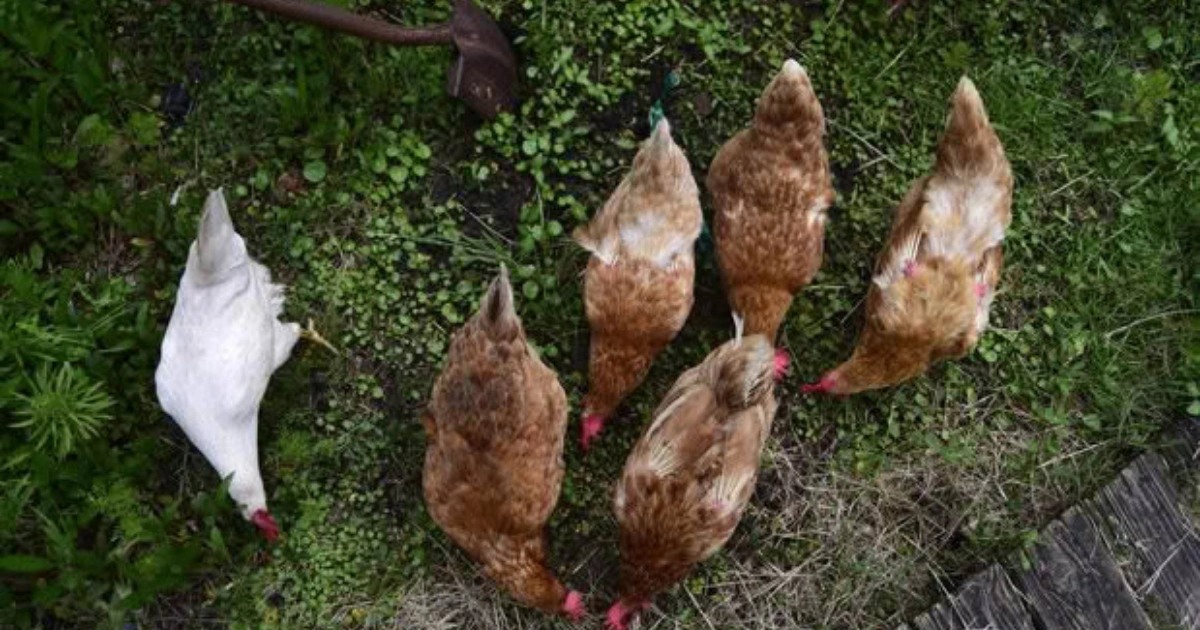
Primary Keyword: chicken droppings guide
For backyard chicken keepers, monitoring droppings is one of the easiest ways to assess flock health. While it may not be the most glamorous aspect of poultry care, understanding what is normal and what may signal a problem can help identify potential health concerns early. This chicken droppings guide explains common types of chicken manure, what they may indicate, and when it’s time to seek veterinary advice.
Because chickens produce several different types of droppings naturally, not every unusual appearance is a cause for alarm. However, recognizing changes in color, consistency, frequency, and contents can provide valuable insights into your flock’s overall well-being.
Why Monitoring Chicken Droppings Matters
Observing droppings regularly allows poultry keepers to:
- Detect potential health problems early
- Identify parasite infestations
- Monitor hydration status
- Evaluate dietary balance
- Recognize stress-related changes
- Know when veterinary intervention may be needed
This chicken droppings guide should be used as an educational resource and not as a substitute for professional veterinary diagnosis.
What Normal Chicken Droppings Look Like
Healthy chickens typically produce several types of normal droppings.
1. Standard Healthy Droppings
Normal chicken manure usually appears:
- Firm and well-formed
- Brown to dark brown in color
- Topped with a white urate cap
The white portion consists of uric acid, which is how birds eliminate nitrogenous waste.
What It Means
These droppings generally indicate:
- Good digestive function
- Proper hydration
- Normal kidney activity
Recommended Action
No action is needed if chickens appear active, alert, and otherwise healthy.
Understanding Cecal Droppings
Many new chicken owners mistake cecal droppings for diarrhea.
2. Cecal Droppings
Cecal droppings are typically:
- Dark brown to almost black
- Softer than regular manure
- More pungent in odor
- Sticky or pudding-like in texture
Why They Occur
Chickens have two ceca—specialized digestive sacs involved in fermentation and nutrient absorption.
Cecal droppings are a normal byproduct of this digestive process.
How Often Do They Occur?
Most chickens produce cecal droppings approximately:
- Once every 8 to 10 bowel movements
Recommended Action
No treatment is required.
Bright Green Droppings: When to Monitor Closely
3. Bright Green or Green Liquid Droppings
Green droppings may sometimes occur after consuming large amounts of leafy vegetation. However, persistent bright green manure can sometimes accompany illness.
Potential contributing factors include:
- Reduced feed intake
- Stress
- Certain infections
- Liver dysfunction
Signs That Require Attention
Monitor for additional symptoms such as:
- Lethargy
- Loss of appetite
- Weight loss
- Respiratory signs
Recommended Action
If abnormal green droppings persist for more than 24–48 hours or are accompanied by illness, consult a veterinarian experienced with poultry.
Pale or Watery Droppings
4. Watery or Pale Droppings
Occasional watery stools can occur due to:
- Increased water consumption
- Hot weather
- Dietary changes
- Temporary stress
When to Be Concerned
Persistent pale or watery droppings accompanied by other signs of illness may warrant further investigation.
Possible concerns include:
- Digestive disturbances
- Infections
- Nutritional imbalances
Recommended Action
- Monitor hydration and feed intake.
- Assess environmental conditions.
- Consult a veterinarian if symptoms persist.
Bloody Droppings: An Important Warning Sign
5. Red or Bloody Droppings
Blood in droppings should never be ignored.
Potential causes may include:
- Intestinal irritation
- Severe parasitic infections
- Coccidiosis
- Gastrointestinal injury
Understanding Coccidiosis
Coccidiosis is a common parasitic disease caused by microscopic protozoa affecting the intestinal tract.
Symptoms may include:
- Bloody diarrhea
- Lethargy
- Reduced appetite
- Weight loss
- Huddling behavior
Recommended Action
Seek veterinary advice promptly if bloody droppings are observed.
Early treatment significantly improves outcomes.
Yellow Foamy Droppings
6. Yellow, Foamy Stool
Yellow droppings may occasionally result from temporary digestive upset. However, persistent foamy yellow manure may indicate underlying illness.
Potential causes include:
- Digestive disturbances
- Liver-related issues
- Certain infectious diseases
Important Considerations
Because several conditions can produce similar symptoms, definitive diagnosis requires veterinary evaluation.
Recommended Action
If yellow foamy droppings persist or occur alongside other symptoms, consult a poultry veterinarian.
Excessive White or Chalky Droppings
7. White Chalky Excess
Droppings containing excessive white urates may suggest alterations in kidney function or hydration status.
Possible contributing factors include:
- Dehydration
- Heat stress
- Dietary imbalances
- Kidney-related concerns
Additional Signs to Watch For
Monitor for:
- Increased thirst
- Reduced activity
- Weight changes
- Changes in egg production
Recommended Action
Ensure adequate access to fresh water and discuss persistent abnormalities with a veterinarian.
Visible Worms in Droppings
8. Worms Present in Manure
The presence of visible worms strongly suggests an intestinal parasite burden.
Common poultry parasites include:
- Roundworms
- Cecal worms
- Tapeworms
Signs of Intestinal Parasites
Affected chickens may exhibit:
- Weight loss
- Pale combs
- Reduced egg production
- Poor feather condition
- Diarrhea
Recommended Action
Consult a veterinarian for:
- Fecal testing
- Accurate parasite identification
- Appropriate deworming recommendations
Cleaning and maintaining the coop environment is also important for reducing reinfection risk.
Factors That Influence Chicken Droppings
Not all changes indicate disease.
Several normal factors affect manure appearance.
Diet
Foods that may temporarily alter droppings include:
- Leafy greens
- Fruits
- Treats
- High-protein supplements
Weather Conditions
Hot temperatures often increase water intake, resulting in looser stools.
Stress
Potential stressors include:
- Predator disturbances
- Introducing new flock members
- Relocation
- Molting
Age
Young chicks may produce slightly different droppings than mature hens.
When to Contact a Veterinarian
This chicken droppings guide provides general educational information, but veterinary evaluation is important when:
- Bloody droppings occur
- Worms are consistently visible
- Multiple birds become affected
- Symptoms persist beyond 48 hours
- Birds appear lethargic or stop eating
- Egg production declines suddenly
Early diagnosis often improves treatment outcomes.
How to Monitor Your Flock’s Health
Regular observation helps identify problems quickly.
Daily Health Checks
Look for:
- Normal activity levels
- Consistent appetite
- Bright eyes and combs
- Normal breathing
- Typical manure appearance
Maintain Coop Hygiene
Good sanitation reduces disease risk.
Best practices include:
- Regular bedding replacement
- Cleaning feeders and waterers
- Providing dry litter conditions
- Avoiding overcrowding
Frequently Asked Questions About Chicken Droppings
How often do chickens produce cecal droppings?
Most chickens pass cecal droppings approximately once every 8 to 10 bowel movements.
Is watery chicken poop always a sign of illness?
No. Heat, stress, increased water consumption, and dietary changes can temporarily cause looser stools.
Should healthy chicken droppings have white material?
Yes. The white urate cap is a normal component of healthy chicken manure.
What should I do if I see blood in droppings?
Consult a veterinarian promptly, especially if other signs of illness are present.
Are visible worms in droppings normal?
No. Visible worms generally indicate a parasite infection requiring veterinary guidance and appropriate treatment.
Internal Linking Suggestions for Secretsofthegreengarden.com
Consider linking this article to related content using anchor text such as:
- Essential Backyard Chicken Health Checks Every Owner Should Know
- How to Create a Healthy and Clean Chicken Coop
- Common Chicken Diseases and Prevention Tips
These internal links strengthen topical authority and improve reader engagement.
Recommended External Resources
For evidence-based poultry health information, consider referencing:
- Merck Veterinary Manual – Backyard Poultry Health: https://www.merckvetmanual.com
- Cornell University College of Veterinary Medicine – Poultry Resources: https://www.vet.cornell.edu
- University of California Agriculture and Natural Resources – Small Flock Poultry Management: https://ucanr.edu
These organizations provide reliable educational information on poultry care and disease prevention.
Final Thoughts
Learning to recognize normal and abnormal manure patterns is an important skill for every poultry keeper. This chicken droppings guide can help you better understand your flock’s digestive health and identify situations that may require closer observation or veterinary care.
Remember that droppings represent only one piece of the overall health picture. Always evaluate changes alongside behavior, appetite, egg production, and general appearance. When in doubt, consulting an avian or poultry veterinarian is the safest approach to ensuring the long-term health and welfare of your backyard flock.
Disclaimer: This article is intended for educational purposes only and should not replace professional veterinary advice, diagnosis, or treatment. If you suspect illness in your chickens, consult a qualified veterinarian experienced in poultry care.