
Primary Keyword: companion planting systems
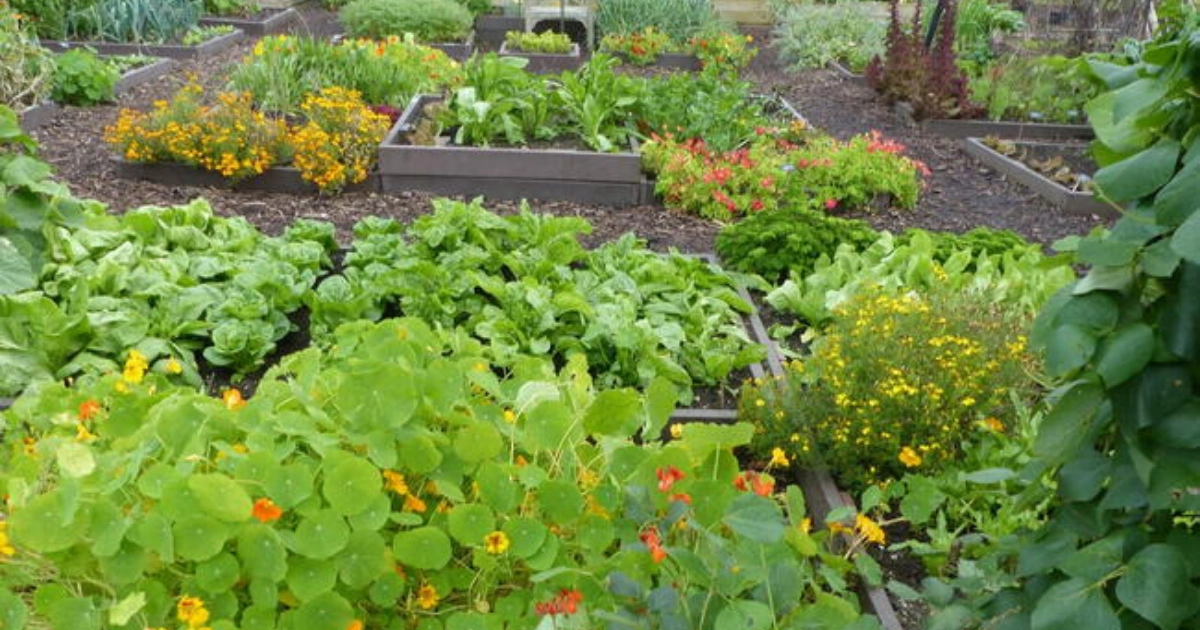
Growing enough fresh produce to support a family may seem challenging, especially when garden space is limited. However, strategic companion planting systems allow gardeners to maximize productivity while naturally improving plant health, reducing pests, and making efficient use of available space.
Rather than planting vegetables randomly, companion planting pairs crops that benefit one another. Some combinations repel harmful insects, others improve soil fertility, and many help increase yields by utilizing different growth habits.
These four carefully designed companion planting systems demonstrate how thoughtful garden planning can contribute to a productive backyard harvest capable of supplementing a family of four.
What Is Companion Planting?
Companion planting is the practice of growing specific plants together because they provide mutual benefits.
These advantages may include:
- Natural pest control
- Improved pollination
- Better space utilization
- Enhanced soil fertility
- Weed suppression
- Increased biodiversity
- Healthier plant growth
Successful companion planting systems rely on understanding how plants interact above and below the soil surface.
Benefits of Companion Planting Systems
Before exploring individual layouts, it’s helpful to understand why companion planting has remained popular among home gardeners for generations.
Natural Pest Management
Many companion plants release scents that confuse or repel common garden pests.
Examples include:
- Basil deterring whiteflies
- Onions discouraging certain insect pests
- Marigolds helping suppress soil nematodes
- Nasturtiums attracting aphids away from valuable crops
Improved Soil Health
Some plants contribute nutrients to the soil.
Legumes such as beans work with beneficial bacteria to fix atmospheric nitrogen, enriching surrounding growing areas.
Efficient Use of Space
Companion planting encourages gardeners to combine:
- Vertical crops
- Root vegetables
- Ground covers
- Pollinator-attracting flowers
This layered approach maximizes productivity in smaller gardens.
Companion Planting System 1: Tomato and Carrot Garden Combination
This productive arrangement combines warm-season crops with beneficial companion plants that support growth and reduce pest pressure.
Main Components
- Tomatoes
- Basil
- Lettuce
- Carrots
- Marigolds
Why This System Works
Tomatoes as Vertical Producers
Tomatoes grow upward using stakes or cages, maximizing vertical space while producing abundant harvests.
Basil Supports Tomato Health
Basil is often planted near tomatoes because its aromatic oils may help deter certain pests such as whiteflies.
Many gardeners also appreciate the culinary pairing.
Lettuce Functions as Living Mulch
Low-growing lettuce shades the soil surface, helping to:
- Reduce moisture loss
- Suppress weeds
- Improve soil temperature stability
Carrots Utilize Root Space
Carrots occupy deeper soil layers, allowing efficient use of underground growing zones.
Marigolds Help Manage Soil Pests
French marigolds are frequently used to discourage root-knot nematodes and attract beneficial insects.
Important Consideration
Avoid planting peppers too close to tomatoes in confined spaces, as both belong to the nightshade family and may share certain diseases.
Companion Planting System 2: Peppers and Beans Partnership
This system combines nutrient-supporting legumes with productive pepper plants.
Main Components
- Sweet peppers
- Hot peppers
- Beans
- Onions
Why This System Works
Beans Improve Soil Fertility
Beans form partnerships with nitrogen-fixing bacteria that convert atmospheric nitrogen into forms usable by plants.
This process supports overall garden health.
Peppers Benefit From Diverse Plantings
Peppers thrive in sunny locations with consistent moisture and nutrient availability.
Companion planting encourages ecological diversity within the garden.
Onions Provide Pest Deterrence
The strong scent of onions may help discourage certain insect pests.
Their compact growth habit also complements neighboring crops.
Important Consideration
If saving seeds from peppers, allow adequate spacing between different varieties to reduce cross-pollination risks.
Companion Planting System 3: Brassicas and Root Vegetables
Cool-season crops perform exceptionally well in this carefully balanced arrangement.
Main Components
- Broccoli
- Cauliflower
- Beets
- Onions
- Dill
Why This System Works
Brassicas Benefit From Diverse Neighbors
Broccoli and cauliflower require nutrient-rich soils and often face pressure from cabbage moths and other pests.
Companion plants can help create a healthier growing environment.
Onions May Discourage Certain Insects
Their pungent aroma can interfere with pest detection of brassica crops.
Beets Optimize Root Space
Beets efficiently occupy lower soil levels without competing heavily with larger plants above ground.
Dill Attracts Beneficial Insects
Flowering dill provides nectar for:
- Parasitic wasps
- Hoverflies
- Predatory insects
These beneficial species help regulate pest populations naturally.
Crop Rotation Recommendation
Rotating brassica plantings annually reduces disease buildup and improves long-term soil health.
For fall harvests, gardeners often replant cool-season brassicas during midsummer.
Companion Planting System 4: Vertical Vine Garden
This space-saving design demonstrates how vertical gardening can dramatically increase production.
Main Components
- Cucumbers
- Climbing beans
- Squash
- Nasturtiums
Why This System Works
Cucumbers Maximize Vertical Space
Growing cucumbers on trellises:
- Improves airflow
- Reduces disease risk
- Simplifies harvesting
- Conserves garden area
Climbing Beans Add Nitrogen
Beans contribute nitrogen to the surrounding environment while utilizing the same vertical supports.
Squash Acts as Ground Cover
Large squash leaves help:
- Shade soil surfaces
- Suppress weeds
- Retain moisture
This layered approach resembles traditional companion planting methods.
Nasturtiums Serve as Trap Crops
Aphids are often attracted to nasturtiums, drawing pests away from valuable vegetable crops.
Their flowers also attract pollinators.
Designing a Companion Garden for a Family of Four
While no garden can guarantee complete food independence, strategic companion planting systems can significantly improve productivity.
To maximize yields:
Prioritize High-Value Crops
Focus on vegetables your family regularly consumes, such as:
- Tomatoes
- Peppers
- Leafy greens
- Beans
- Root vegetables
Succession Plant Throughout the Season
Plant replacement crops as others finish producing.
This extends harvest windows and improves efficiency.
Incorporate Pollinator Plants
Flowers support bees and beneficial insects essential for fruit development.
Excellent choices include:
- Marigolds
- Nasturtiums
- Dill
- Calendula
- Zinnias
Practice Crop Rotation
Rotating plant families annually helps reduce:
- Soil-borne diseases
- Pest accumulation
- Nutrient imbalances
Common Companion Planting Mistakes to Avoid
Even well-designed gardens can encounter challenges.
Avoid these common errors:
Planting Without Considering Mature Size
Overcrowding reduces airflow and increases competition.
Ignoring Sunlight Requirements
Pair plants with similar light preferences.
Overrelying on Companion Planting Alone
While beneficial, companion planting should complement:
- Healthy soil practices
- Proper watering
- Crop rotation
- Good sanitation
Forgetting Regional Adaptation
Choose varieties suited to your local climate and growing conditions.
Frequently Asked Questions About Companion Planting Systems
Does companion planting really work?
Scientific evidence supports certain companion planting benefits, particularly regarding biodiversity, beneficial insect attraction, and efficient space use.
Can companion planting replace pesticides?
Companion planting can reduce pest pressure but should be part of an integrated pest management strategy rather than a complete replacement.
Which vegetables grow best together?
Popular combinations include tomatoes with basil, beans with corn, carrots with onions, and cucumbers with nasturtiums.
How much space does a family garden need?
Garden size varies depending on dietary preferences, but efficient companion planting allows substantial production in relatively small areas.
Do marigolds actually repel pests?
Certain marigold species may suppress soil nematodes and attract beneficial insects, contributing to healthier garden ecosystems.
Internal Linking Suggestions for Secretsofthegreengarden.com
Consider linking this article to related content using anchor text such as:
- Best Companion Plants for Tomatoes
- How to Start a Productive Family Vegetable Garden
- Natural Pest Control Methods Every Gardener Should Know
These internal links strengthen topical relevance while improving reader engagement.
Recommended External Resources
For additional evidence-based gardening guidance, reference these trusted sources:
- Cornell University Cooperative Extension – Companion Planting Research: https://gardening.cals.cornell.edu
- University of Minnesota Extension – Vegetable Gardening Resources: https://extension.umn.edu
- Royal Horticultural Society – Companion Planting Advice: https://www.rhs.org.uk
These organizations provide research-supported recommendations for sustainable gardening practices.
Final Thoughts
Successful companion planting systems demonstrate that thoughtful garden design can improve productivity while reducing reliance on chemical interventions. By pairing plants strategically, gardeners can create resilient ecosystems that support healthy harvests, beneficial insects, and efficient use of space.
Whether you’re growing tomatoes alongside basil or creating vertical vine gardens with cucumbers and beans, every plant can serve a purpose beyond its harvest. With careful planning and observation, companion planting can help transform even modest gardens into productive sources of fresh food for the entire family.