
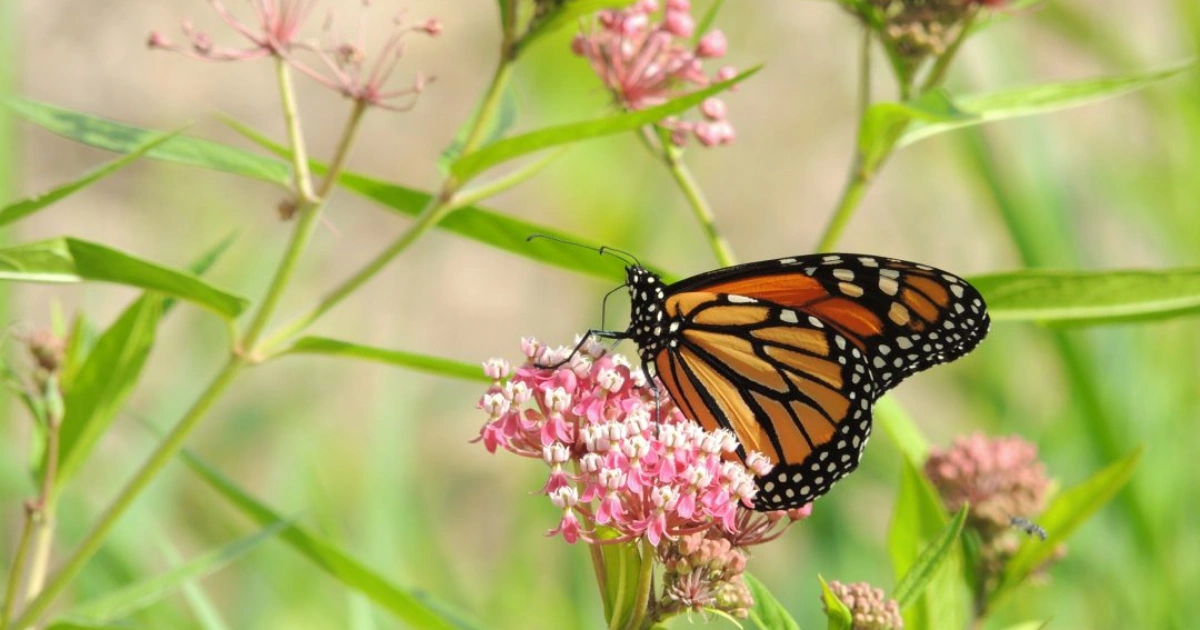
Primary Keyword: plant milkweed for monarchs
Monarch butterflies are among North America’s most iconic pollinators, celebrated for their remarkable migration journeys spanning thousands of miles. However, habitat loss, climate change, and declining availability of native host plants have contributed to significant population declines in recent decades.
One of the most effective ways gardeners can support these beautiful insects is simple: plant milkweed for monarchs. Milkweed serves as both a nursery and food source, making it essential for the monarch butterfly’s survival.
If you want to transform your garden into a pollinator-friendly haven, understanding the importance of milkweed is the perfect place to start.
Why Monarch Butterflies Need Milkweed
Monarch butterflies (Danaus plexippus) have a unique relationship with milkweed plants (Asclepias species). Unlike many pollinators that use a variety of host plants, monarchs rely almost exclusively on milkweed during their reproductive cycle.
Milkweed Provides a Place to Lay Eggs
Female monarch butterflies actively seek milkweed leaves when laying eggs.
The tiny cream-colored eggs are typically deposited individually on the undersides of leaves, providing emerging caterpillars immediate access to food.
Without milkweed, monarchs cannot successfully reproduce.
Milkweed Feeds Monarch Caterpillars
After hatching, monarch caterpillars feed exclusively on milkweed foliage.
These plants contain compounds called cardenolides, which help protect caterpillars and adult butterflies from predators by making them unpalatable.
This remarkable adaptation contributes to the monarch’s distinctive warning coloration.
The Decline of Monarch Butterflies
Conservation organizations have documented concerning declines in monarch populations throughout North America.
Several factors contribute to these trends:
- Loss of native grasslands and meadows
- Urban development and habitat fragmentation
- Widespread herbicide use reducing milkweed availability
- Climate-related weather extremes
- Decreased nectar resources during migration
Because milkweed availability directly affects breeding success, increasing native milkweed plantings can make a meaningful difference.
Best Milkweed Species for Monarch Butterflies
Choosing appropriate native milkweed species for your region helps maximize ecological benefits while supporting local biodiversity.
Here are three excellent options commonly recommended for gardeners.
1. Common Milkweed (Asclepias syriaca)
Common milkweed is one of the most important host plants for monarch butterflies across much of eastern and central North America.
Characteristics
- Large clusters of pink to mauve flowers
- Strong fragrance that attracts numerous pollinators
- Height: 3–5 feet (90–150 cm)
- Hardy in USDA Zones 3–8
Growing Conditions
Common milkweed thrives in:
- Full sun
- Average to dry soils
- Meadows and naturalized landscapes
Benefits for Monarchs
This species supports high numbers of monarch eggs and caterpillars, making it one of the most valuable choices for butterfly conservation.
Because it spreads through underground rhizomes, allow adequate space when planting.
2. Butterfly Weed (Asclepias tuberosa)
Butterfly weed is one of the most attractive and garden-friendly milkweed species.
Its brilliant orange flowers make it a favorite among gardeners and pollinators alike.
Characteristics
- Vibrant orange flower clusters
- Compact growth habit
- Height: 1–3 feet (30–90 cm)
- Long blooming period
Growing Conditions
Butterfly weed prefers:
- Full sunlight
- Well-drained soils
- Drier garden conditions
- Drought-tolerant environments
Benefits for Monarchs
Although monarchs readily use butterfly weed for egg-laying, its excellent nectar production also supports:
- Bees
- Native butterflies
- Hummingbirds
- Other beneficial pollinators
Its manageable size makes it ideal for smaller gardens.
3. Swamp Milkweed (Asclepias incarnata)
For gardeners with wetter conditions, swamp milkweed provides an outstanding alternative.
This elegant species produces beautiful pink blooms and supports monarch development just as effectively as other native milkweeds.
Characteristics
- Soft pink flower clusters
- Upright growth habit
- Height: 3–5 feet (90–150 cm)
- Highly attractive to pollinators
Growing Conditions
Swamp milkweed performs best in:
- Moist soils
- Rain gardens
- Pond edges
- Areas with occasional standing water
Unlike common milkweed, it spreads less aggressively, making it easier to incorporate into ornamental landscapes.
How to Plant Milkweed Successfully
If you want to plant milkweed for monarchs, proper establishment improves long-term success.
Choose Native Species
Whenever possible, select milkweed species native to your geographic region.
Native plants:
- Adapt better to local climates
- Support regional pollinator communities
- Require less maintenance
Provide Full Sun
Most milkweed species perform best with:
- Six to eight hours of direct sunlight daily
Insufficient light may reduce flowering and overall vigor.
Avoid Pesticides
Insecticides can harm monarch caterpillars and other beneficial insects.
Even products labeled as pollinator-friendly should be used cautiously.
Allow Natural Growth
Some milkweed species spread naturally over time.
Rather than viewing this as a problem, consider it an opportunity to expand monarch habitat within your landscape.
Additional Ways to Help Monarch Butterflies
Beyond choosing to plant milkweed for monarchs, several additional practices support butterfly conservation.
Add Nectar-Rich Flowers
Adult monarchs require energy-rich nectar during migration and breeding seasons.
Excellent companion plants include:
- Purple coneflower (Echinacea purpurea)
- Blazing star (Liatris spp.)
- Goldenrod (Solidago spp.)
- Bee balm (Monarda spp.)
- Asters (Symphyotrichum spp.)
Create Diverse Habitat
Incorporate a variety of plant heights and bloom times to provide resources throughout the growing season.
Support Conservation Programs
Many organizations offer opportunities to participate in monarch monitoring and habitat restoration efforts.
Community involvement strengthens regional conservation outcomes.
Common Milkweed Myths
Myth: Milkweed Is Just a Weed
Fact: Native milkweeds are ecologically valuable wildflowers that support entire pollinator communities.
Myth: All Milkweed Species Are Invasive
Fact: Most native milkweeds are appropriate for responsible gardening when matched to suitable sites.
Myth: Monarchs Can Use Any Plant for Caterpillars
Fact: Monarch caterpillars depend almost exclusively on milkweed species for development.
Understanding these facts helps gardeners make informed conservation choices.
Frequently Asked Questions About Monarch Butterflies and Milkweed
Why is milkweed important for monarch butterflies?
Milkweed provides the only food source for monarch caterpillars and serves as the preferred egg-laying site for adult females.
Which milkweed is best for monarchs?
Common milkweed, butterfly weed, and swamp milkweed are all excellent choices, depending on your local climate and soil conditions.
Is butterfly weed the same as milkweed?
Yes. Butterfly weed (Asclepias tuberosa) is a native milkweed species highly beneficial to monarch butterflies.
Should I remove monarch caterpillars from my plants?
No. Caterpillar feeding is a natural and essential part of the monarch life cycle.
Can milkweed grow in containers?
Some species, particularly butterfly weed, can be grown successfully in large containers with adequate sunlight and drainage.
Internal Linking Suggestions for Secretsofthegreengarden.com
To strengthen topical relevance, consider linking to related articles using anchor texts such as:
- Best Native Flowers for Pollinator Gardens
- How to Create a Butterfly-Friendly Backyard Habitat
- Why Pollinators Are Essential for Healthy Ecosystems
These internal links encourage deeper reader engagement and improve SEO performance.
Recommended External Resources
For authoritative information about monarch conservation, consider referencing:
- Monarch Joint Venture – Monarch Butterfly Conservation Resources: https://monarchjointventure.org
- Xerces Society for Invertebrate Conservation – Monarch Conservation: https://www.xerces.org
- U.S. Fish & Wildlife Service – Monarch Butterfly Information: https://www.fws.gov
These organizations provide science-based guidance for supporting monarch populations responsibly.
Final Thoughts
Choosing to plant milkweed for monarchs is one of the simplest yet most impactful actions gardeners can take to support butterfly conservation. By incorporating native milkweed species such as common milkweed, butterfly weed, and swamp milkweed into your landscape, you provide essential breeding habitat while contributing to broader ecological health.
Every milkweed plant has the potential to nurture future generations of monarch butterflies. Whether you have a large meadow or a small backyard garden, your efforts can help ensure these extraordinary migrants continue to grace North American skies for years to come.