
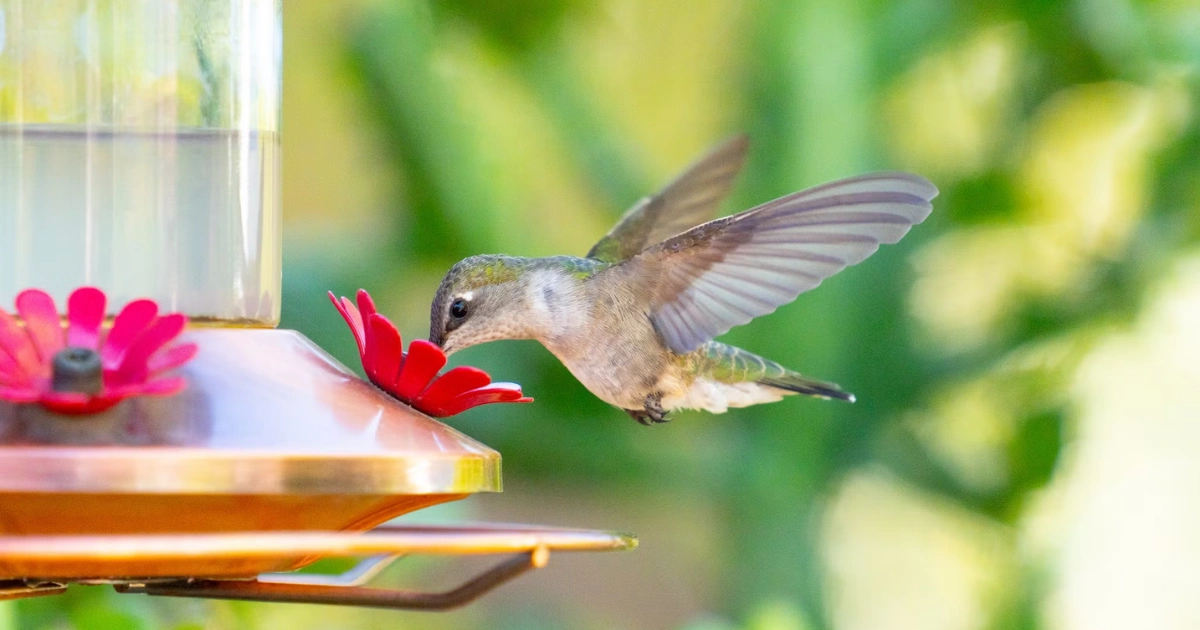
Primary Keyword: hummingbird feeder mistakes
Hummingbirds are among the most fascinating backyard visitors, captivating gardeners with their dazzling colors and incredible aerial abilities. Setting up a feeder is one of the easiest ways to attract these energetic pollinators, but even well-intentioned bird lovers can make mistakes that discourage hummingbirds from returning.
Understanding common hummingbird feeder mistakes can help you provide a safer, healthier environment while ensuring your backyard remains a reliable food source throughout the season.
If your feeders aren’t attracting hummingbirds or birds seem to disappear unexpectedly, one of these common issues may be the reason.
Why Proper Hummingbird Feeder Care Matters
Hummingbirds have extremely high metabolisms. Some species beat their wings more than 50 times per second and consume nectar frequently throughout the day to sustain their energy needs.
Because these birds rely heavily on consistent food sources during migration and breeding seasons, improperly maintained feeders can pose health risks or cause hummingbirds to seek alternative feeding locations.
Fortunately, a few simple practices can make a significant difference.
Mistake #1: Using Red Food Dye in Nectar
One of the most common hummingbird feeder mistakes is adding red dye to homemade nectar.
Many commercial nectar products contain artificial coloring because people assume hummingbirds require red liquid to locate feeders. However, experts generally recommend avoiding these additives.
Why Red Dye Isn’t Necessary
Hummingbirds are naturally attracted to:
- Red feeder components
- Bright flower-shaped feeding ports
- Colorful garden blooms
The nectar itself does not need to be red.
Potential Concerns About Artificial Dyes
Although research on long-term effects remains limited, avoiding unnecessary additives is considered the safest approach.
Artificial dyes may:
- Provide no nutritional benefit
- Introduce unnecessary chemicals
- Increase costs without improving attraction
Best Practice
Use a simple homemade nectar recipe containing only:
- White granulated sugar
- Clean water
Avoid:
- Red food coloring
- Honey
- Brown sugar
- Artificial sweeteners
Keeping nectar simple closely mimics the natural sugar sources hummingbirds consume from flowers.
Mistake #2: Allowing Mold to Grow in Feeders
Dirty feeders are another major reason hummingbirds may avoid your yard.
Warm temperatures and sugary nectar create ideal conditions for mold and bacterial growth.
Why Mold Is Dangerous
Contaminated feeders can contribute to:
- Spoiled nectar
- Reduced feeding activity
- Potential health problems for birds
- Unpleasant odors that discourage visits
Hummingbirds are remarkably sensitive to feeder cleanliness and may abandon poorly maintained feeding stations.
Signs Your Feeder Needs Cleaning
Look for:
- Black spots around feeding ports
- Cloudy nectar
- Sticky residue
- Floating debris
- Unusual discoloration
If any of these signs appear, immediate cleaning is essential.
How Often Should Feeders Be Cleaned?
General recommendations include:
During Hot Weather (Above 90°F / 32°C):
- Every 1–2 days
Moderate Temperatures (70–80°F / 21–27°C):
- Every 2–3 days
Cooler Weather (Below 70°F / 21°C):
- Every 4–5 days
Regular maintenance keeps hummingbirds returning safely.
Mistake #3: Placing Feeders in Direct Sunlight
Many people position feeders in highly visible locations exposed to full sun all day.
Unfortunately, excessive heat causes nectar to spoil more rapidly.
Why Shade Matters
Placing feeders in partial shade helps:
- Slow fermentation
- Reduce bacterial growth
- Extend nectar freshness
- Maintain more stable temperatures
In many situations, nectar may remain fresh significantly longer when protected from intense afternoon sunlight.
Ideal Feeder Placement
Choose locations that provide:
- Morning sunlight
- Afternoon shade
- Protection from strong winds
- Nearby trees or shrubs for resting perches
This arrangement benefits both hummingbirds and feeder maintenance.
Mistake #4: Using the Wrong Nectar Recipe
Another critical hummingbird feeder mistake involves incorrect nectar concentrations.
Too much sugar can place stress on birds, while overly diluted mixtures may fail to meet their energy needs.
The Recommended Hummingbird Nectar Ratio
Experts widely recommend:
1 part white sugar : 4 parts water
For example:
- 1 cup sugar + 4 cups water
- ½ cup sugar + 2 cups water
This concentration closely resembles the natural nectar found in many flowering plants.
How to Prepare Homemade Nectar
Step 1: Boil Water
Boiling helps dissolve sugar completely and reduces impurities.
Step 2: Add White Sugar
Stir until fully dissolved.
Step 3: Cool Completely
Allow nectar to reach room temperature before filling feeders.
Step 4: Refrigerate Extra Nectar
Unused portions can typically be stored in the refrigerator for up to one week.
Ingredients to Avoid
Never use:
- Honey
- Brown sugar
- Molasses
- Artificial sweeteners
- Corn syrup
These substances can promote harmful microbial growth or provide inappropriate nutrition.
Additional Tips for Attracting More Hummingbirds
Avoiding these common hummingbird feeder mistakes is only part of creating a hummingbird-friendly yard.
Consider these additional strategies:
Plant Native Nectar Flowers
Hummingbirds are naturally attracted to blooms such as:
- Bee balm (Monarda)
- Cardinal flower (Lobelia cardinalis)
- Salvia species
- Columbine (Aquilegia)
- Trumpet vine (Campsis radicans)
Native plants provide supplemental nutrition alongside feeders.
Offer Multiple Feeders
Using several feeders helps:
- Reduce territorial disputes
- Support larger numbers of birds
- Improve viewing opportunities
Place feeders out of direct sight of one another when possible.
Avoid Pesticide Use
Hummingbirds also consume small insects for protein.
Reducing pesticide applications helps maintain healthy insect populations that support balanced diets.
Common Myths About Hummingbird Feeders
Myth: Hummingbirds Need Red Nectar
Fact: The feeder itself provides sufficient visual attraction.
Myth: Feeders Prevent Migration
Fact: Migration is triggered primarily by daylight changes and instinct, not feeder availability.
Myth: Honey Is a Better Natural Alternative
Fact: Honey can encourage fungal growth that may harm hummingbirds.
Understanding these misconceptions helps promote safer feeding practices.
Frequently Asked Questions About Hummingbird Feeders
How often should I change hummingbird nectar?
Depending on temperatures, nectar should generally be replaced every 1 to 5 days. Hot weather requires more frequent changes.
Is red food coloring harmful to hummingbirds?
Although definitive research remains limited, most experts recommend avoiding artificial dyes because they provide no known benefit.
What is the correct sugar-to-water ratio for hummingbirds?
The standard recommendation is 1 part white sugar to 4 parts water.
Can hummingbirds get sick from dirty feeders?
Yes. Mold and bacterial contamination may pose health risks and discourage hummingbirds from visiting.
Should hummingbird feeders be placed in the sun or shade?
Partial shade is usually preferred because it helps nectar remain fresh longer.
Internal Linking Suggestions for Secretsofthegreengarden.com
Consider linking this article to related content using anchor text such as:
- How to Create a Pollinator-Friendly Garden
- Best Flowers for Attracting Hummingbirds Naturally
- Common Backyard Bird Feeding Mistakes to Avoid
These internal links enhance user engagement while strengthening topical authority.
Recommended External Resources
For additional information, consider referencing these trusted organizations:
- National Audubon Society – Hummingbird Feeding Guidelines: https://www.audubon.org
- Cornell Lab of Ornithology – All About Birds: https://www.allaboutbirds.org
- Smithsonian Migratory Bird Center: https://nationalzoo.si.edu/migratory-birds
These authoritative resources provide evidence-based guidance for responsible bird feeding practices.
Final Thoughts
Avoiding common hummingbird feeder mistakes can dramatically improve the health and frequency of your backyard visitors. Using dye-free nectar, maintaining clean feeders, providing shade, and preparing nectar with the proper sugar-to-water ratio create a safer environment that supports hummingbirds throughout the season.
With a little attention to detail, your garden can become a reliable oasis for these remarkable pollinators, rewarding you with countless opportunities to observe one of nature’s most extraordinary birds up close.