
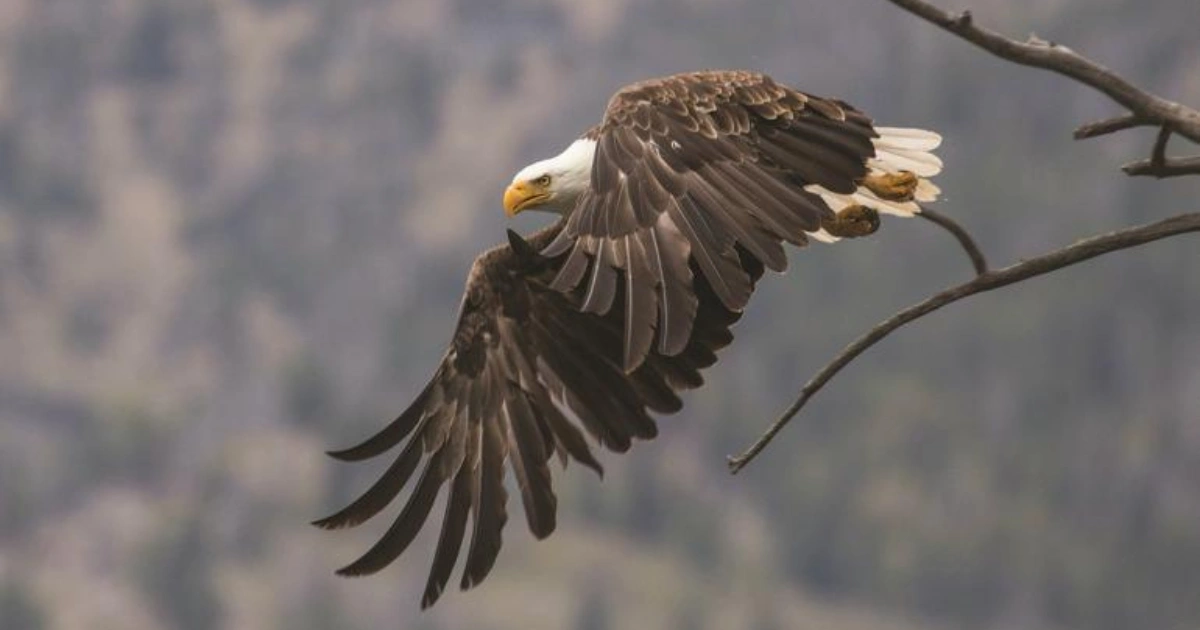
Primary Keyword: how bald eagles hunt
The bald eagle is one of the most recognizable birds in the world. Known as the national bird of the United States, it symbolizes strength, freedom, and resilience. Yet beyond its iconic appearance lies an extraordinary predator equipped with specialized adaptations that make it one of North America’s most effective hunters.
Understanding how bald eagles hunt reveals a fascinating combination of exceptional eyesight, powerful talons, aerodynamic flight, and highly refined hunting instincts. Every part of the eagle’s body has evolved to help it locate, pursue, and capture prey with remarkable efficiency.
What Makes Bald Eagles Such Successful Hunters?
Bald eagles are classified as birds of prey, or raptors. Like hawks, falcons, and owls, they possess specialized physical traits designed for hunting.
Their success comes from a combination of:
- Exceptional vision
- Powerful flight muscles
- Sharp talons
- Strong beaks
- Strategic hunting behavior
- Excellent environmental awareness
Together, these features allow bald eagles to dominate many aquatic and coastal ecosystems.
Extraordinary Vision: The Eagle’s Greatest Weapon


When discussing how bald eagles hunt, their vision is often the first adaptation mentioned.
How Sharp Is Eagle Vision?
Research suggests that bald eagles can see approximately four to five times more clearly than humans under ideal conditions.
This means an eagle soaring hundreds of feet above a lake may detect fish movement that would be completely invisible to a person.
Specialized Eye Structure
Eagle eyes contain:
- Extremely high densities of photoreceptor cells
- Large retinas
- Enhanced color perception
- Superior motion detection
These features help eagles identify prey quickly, even from considerable distances.
Can Bald Eagles See Ultraviolet Light?
Unlike some birds, evidence for strong ultraviolet-based hunting behavior in bald eagles remains limited. While many birds perceive portions of the ultraviolet spectrum, claims that bald eagles routinely track glowing urine trails are not strongly supported by current scientific research.
Massive Eyes for a Predator
One reason eagle vision is so impressive is the size of their eyes.
Compared to body size, eagle eyes are exceptionally large and occupy a significant portion of the skull.
Large eyes allow:
- Greater light collection
- Enhanced detail recognition
- Better long-distance vision
This adaptation is especially useful when searching large areas of water for fish.
Hunting From the Sky
Bald eagles typically hunt from elevated positions.
Common hunting strategies include:
- Soaring over lakes and rivers
- Perching in tall trees
- Watching from cliffs
- Scanning shorelines
Once prey is detected, the eagle quickly calculates distance, speed, and direction before beginning its attack.
Powerful Flight and Diving Ability
Wings Built for Efficiency
Adult bald eagles possess wingspans ranging from approximately 6 to 8 feet (1.8 to 2.4 meters).
These large wings allow:
- Efficient soaring
- Long-distance travel
- Energy conservation
- Precise maneuvering
Instead of constantly flapping, bald eagles often ride thermal air currents to remain airborne for extended periods.
Attack Speed
During a hunting strike, bald eagles can accelerate rapidly.
While they are not as fast as peregrine falcons, they can reach impressive speeds when descending toward prey.
Their attacks combine:
- Speed
- Precision
- Timing
- Strength
Talons: The Real Hunting Tools
Many people assume an eagle’s beak is its primary weapon.
In reality, the talons do most of the hunting work.
Specialized Gripping Power
Bald eagle talons are:
- Sharp
- Curved
- Extremely strong
They function like powerful hooks designed to seize prey instantly.
Once the talons close around a fish or small mammal, escape becomes extremely difficult.
Locking Grip Mechanism
Like many raptors, bald eagles possess tendon structures that help maintain a firm grip on captured prey.
This allows them to carry prey through the air without constantly exerting maximum muscle effort.
A Unique Toe Adaptation
Bald eagles possess four toes, including a specialized rear-facing toe known as the hallux.
Why This Matters
The arrangement creates a powerful grasping system.
Benefits include:
- Improved prey control
- Better balance
- Stronger grip during flight
- Secure handling of slippery fish
This adaptation is particularly important because fish make up a large portion of the bald eagle’s diet.
What Do Bald Eagles Eat?
Although famous for catching fish, bald eagles are opportunistic feeders.
Their diet may include:
- Fish
- Waterfowl
- Rabbits
- Small mammals
- Reptiles
- Carrion
Fish remain the preferred prey in many regions because they are abundant and energy-rich.
Common Fish Species
Bald eagles frequently target:
- Trout
- Salmon
- Catfish
- Carp
- Perch
They often capture fish directly from the water’s surface without fully submerging themselves.
More Than Hunters: Skilled Scavengers
An important part of understanding how bald eagles hunt is recognizing that they do not always hunt.
Bald eagles are also highly effective scavengers.
They may feed on:
- Dead fish
- Roadkill
- Animal carcasses
- Seasonal food sources
Scavenging helps conserve energy, especially during winter months when prey may be harder to find.
How Lightweight Bones Help Flight
Bird skeletons differ significantly from mammalian skeletons.
Pneumatized Bones
Many eagle bones contain air spaces that reduce overall weight while maintaining strength.
Advantages include:
- Easier flight
- Improved maneuverability
- Greater energy efficiency
Contrary to popular myths, an eagle’s skeleton does not weigh less than all of its feathers combined, but lightweight bones are still a major advantage for aerial predators.
Bald Eagle Conservation Success
The bald eagle’s story is one of the greatest wildlife recovery successes in North America.
Historical Decline
During the 20th century, populations declined because of:
- Habitat destruction
- Hunting
- Pollution
- The pesticide DDT
Recovery Efforts
Conservation measures helped populations rebound dramatically.
Today, bald eagles are once again common across much of their historical range.
Frequently Asked Questions
How far can a bald eagle see?
Bald eagles can detect prey at remarkable distances thanks to vision estimated to be several times sharper than human eyesight.
What do bald eagles hunt most often?
Fish make up the majority of the diet in many populations, although eagles also consume birds, mammals, and carrion.
How strong are bald eagle talons?
Their talons are powerful enough to capture struggling fish and hold prey securely during flight.
Are bald eagles the fastest birds of prey?
No. Peregrine falcons are significantly faster. Bald eagles rely more on power and precision than extreme speed.
Do bald eagles only hunt live prey?
No. They are both hunters and scavengers, often taking advantage of available food sources.
Internal Linking Suggestions
For SecretsoftheGreenGarden.com, consider linking to:
- Amazing Bird Adaptations Explained
- North American Wildlife You May Encounter Outdoors
- How Predators Help Maintain Healthy Ecosystems
External Linking Suggestions
For additional information, consider referencing:
- U.S. Fish & Wildlife Service – Bald Eagle Information
- Cornell Lab of Ornithology – Bald Eagle Guide
- National Park Service – Bald Eagle Resources
Conclusion
Understanding how bald eagles hunt reveals one of nature’s most impressive combinations of vision, flight, and predatory skill. With extraordinary eyesight, powerful talons, efficient wings, and highly refined hunting instincts, these birds are perfectly adapted to life at the top of the food chain. Whether soaring above rivers, scanning lakes for fish, or gliding along coastal shorelines, bald eagles demonstrate why they remain among North America’s most admired and successful predators.