
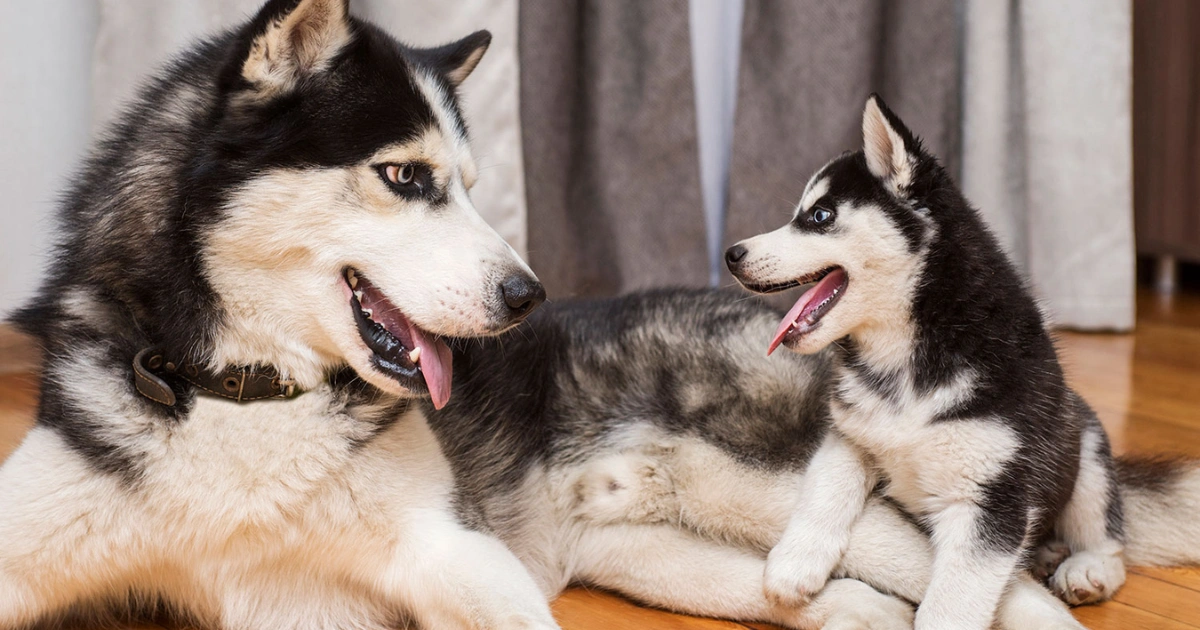
Primary Keyword: dog life stages
Dogs grow and age much faster than humans, which is why understanding dog life stages is so important for providing the right care throughout their lives. A playful puppy has very different needs than a mature adult or a senior companion. By recognizing the physical, behavioral, and health changes that occur at each stage, owners can help their dogs stay healthy, happy, and comfortable for as long as possible.
While every breed ages differently, most dogs pass through a series of predictable life stages, each bringing new milestones, challenges, and opportunities for bonding.
Why Understanding Dog Life Stages Matters
A dog’s nutritional requirements, exercise needs, training goals, and healthcare priorities change throughout life.
Understanding these stages helps owners:
- Provide age-appropriate nutrition
- Adjust exercise routines
- Recognize health concerns early
- Improve training success
- Support mental well-being
- Enhance quality of life
The better we understand our dogs’ development, the better we can meet their changing needs.
Stage 1: Puppyhood (Birth to About 1 Year)


Puppyhood is the fastest period of growth in a dog’s life.
During these early months, puppies develop physically, mentally, and socially at an incredible rate.
Key Characteristics
- Rapid growth
- High energy levels
- Curiosity about the environment
- Teething
- Learning social skills
- Developing confidence
Care Priorities
Socialization
Positive exposure to people, animals, sounds, and environments helps puppies become confident adults.
Training Foundations
Basic skills such as:
- House training
- Recall
- Leash walking
- Sit and stay
are often introduced during this stage.
Proper Nutrition
Growing puppies require diets specifically formulated to support development.
Stage 2: Adolescence and Young Adulthood (1–3 Years)
As puppies mature, they enter a stage often compared to human teenage years.
Many owners find this phase both rewarding and challenging.
Common Behaviors
- Increased independence
- High activity levels
- Testing boundaries
- Strong curiosity
- Continued learning
Physical Development
Most dogs reach near-adult size during this period, although giant breeds may continue growing longer.
Care Priorities
- Consistent training
- Daily exercise
- Mental enrichment
- Maintaining healthy habits
Young adult dogs often benefit from structured activities that challenge both body and mind.
Stage 3: Mature Adulthood (Approximately 3–7 Years)
For many dogs, adulthood represents a period of balance and stability.
What Changes?
Most adult dogs become:
- More emotionally stable
- Better focused
- More predictable
- Easier to manage
Energy levels often remain high, but behavior tends to become more consistent.
Health Focus
This is an ideal time to:
- Maintain healthy weight
- Schedule routine veterinary care
- Monitor dental health
- Continue physical activity
Preventive care during adulthood can significantly influence health later in life.
Stage 4: Senior Years (Around 7–10 Years)
The transition into senior status varies by breed and size.
Large breeds generally age faster than smaller breeds.
Common Signs of Aging
- Reduced stamina
- Slower movement
- Increased sleeping
- Mild stiffness
- Changes in hearing or vision
Many dogs remain active and happy during this stage with proper support.
Care Priorities
Joint Health
Regular exercise remains important but may need modification.
Low-impact activities often work well.
Weight Management
Maintaining a healthy weight helps reduce stress on aging joints.
Veterinary Monitoring
More frequent health evaluations may help detect age-related conditions earlier.
Stage 5: Advanced Senior or Golden Years


Dogs that reach advanced age enter a stage where comfort and quality of life become primary priorities.
Physical Changes
Common changes include:
- Gray fur
- Reduced mobility
- Lower energy levels
- Slower recovery from activity
- Increased sensitivity to temperature
Emotional Needs
Senior dogs often value:
- Familiar routines
- Comfortable resting areas
- Gentle exercise
- Close companionship
Many owners find these years especially meaningful because of the strong bond that develops over a lifetime together.
The Myth of the “Seven Dog Years”
One of the most common misconceptions about dog life stages is the idea that one dog year equals seven human years.
In reality, aging occurs much more rapidly during a dog’s early years and then slows somewhat later in life.
For example:
- A one-year-old dog is far more mature than a seven-year-old child.
- Aging rates vary by breed and size.
- Small dogs often live longer than giant breeds.
Modern veterinary research uses more complex models than the traditional seven-year rule.
How Breed Size Affects Aging
Small Breeds
Small dogs often:
- Mature earlier
- Live longer
- Enter senior status later
Some small breeds live well beyond 15 years.
Medium Breeds
Medium-sized dogs generally follow a moderate aging pattern.
Large and Giant Breeds
Large dogs often:
- Age faster
- Develop age-related issues earlier
- Have shorter average lifespans
This is why breed-specific care recommendations are important.
Supporting Your Dog Through Every Stage
Regardless of age, several factors contribute to long-term health.
Balanced Nutrition
Proper diets help support:
- Growth
- Muscle maintenance
- Joint health
- Immune function
Regular Exercise
Physical activity supports:
- Cardiovascular health
- Mental stimulation
- Weight management
Mental Enrichment
Dogs benefit from:
- Training
- Puzzle toys
- Exploration
- Social interaction
Preventive Veterinary Care
Routine examinations can identify potential issues before they become serious.
Signs Your Dog May Be Entering a New Life Stage
Changes often occur gradually.
Common indicators include:
- Altered energy levels
- Weight changes
- Behavioral shifts
- Increased sleeping
- Changes in mobility
- New health concerns
Observing these transitions helps owners adjust care appropriately.
Frequently Asked Questions
At what age is a dog considered a senior?
It varies by breed and size. Many dogs enter senior status between 7 and 10 years of age.
Do large dogs age faster than small dogs?
Yes. Large and giant breeds generally have shorter lifespans and reach senior stages earlier.
Is the seven-year rule accurate?
No. Modern research shows that dog aging is more complex and varies significantly by breed and size.
How often should senior dogs visit the veterinarian?
Many veterinarians recommend more frequent examinations for senior dogs because age-related conditions become more common.
Can older dogs still learn new things?
Absolutely. Dogs can continue learning throughout their lives, although training may progress at a different pace.
Internal Linking Suggestions
For SecretsoftheGreenGarden.com, consider linking to:
- How to Read Dog Body Language
- Creating a Safe Backyard for Dogs
- Understanding Common Health Changes in Aging Pets
External Linking Suggestions
For additional information, consider referencing:
- American Veterinary Medical Association (AVMA)
- American Animal Hospital Association (AAHA)
- Cornell University College of Veterinary Medicine
Conclusion
Understanding dog life stages allows owners to provide the right care at the right time. From the curiosity and rapid growth of puppyhood to the wisdom and companionship of the golden years, each phase brings unique needs and rewards. By adjusting nutrition, exercise, healthcare, and daily routines to match a dog’s stage of life, owners can help their companions enjoy healthier, happier, and more comfortable lives from beginning to end.