
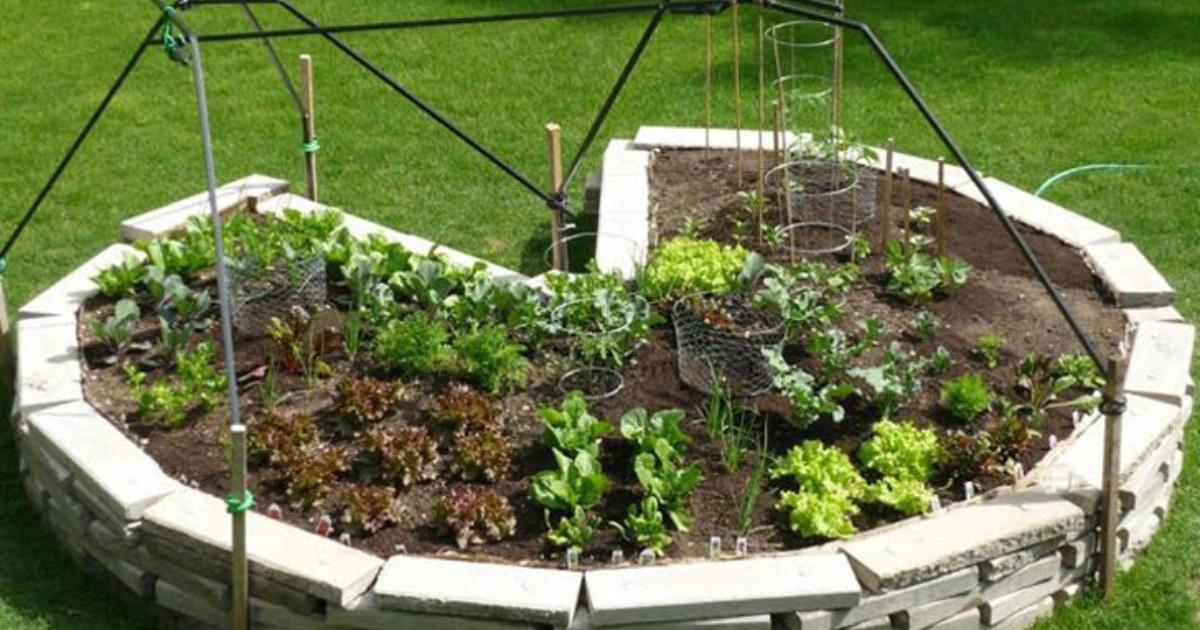
Primary Keyword: compost circle garden
Imagine a garden that helps feed itself. Instead of hauling compost from one side of the yard to another, a compost circle garden places nutrient recycling at the center of the growing space. Kitchen scraps, plant trimmings, and organic matter break down directly where plants can benefit from them most, creating a highly productive and efficient gardening system.
Popular in permaculture and sustainable gardening, compost circle gardens are designed to reduce waste, improve soil health, conserve water, and maximize harvests in a relatively small area. They offer an elegant example of how natural systems can work together to support healthy plant growth.
What Is a Compost Circle Garden?
A compost circle garden is a growing system built around a central compost basket or composting area. Vegetables, herbs, flowers, and companion plants are arranged around this compost core, allowing nutrients to move gradually into the surrounding soil.
Instead of viewing compost as something separate from the garden, this method integrates decomposition directly into the growing space.
The basic design includes:
- A central compost basket or bin
- Circular or keyhole-shaped planting beds
- Organic mulch pathways
- Companion planting zones
- Soil-building materials
As organic matter breaks down, nearby plants benefit from increased fertility and improved soil structure.
How a Compost Circle Garden Works
At the center of the system is a compost basket filled with:
- Vegetable scraps
- Fruit peels
- Coffee grounds
- Garden trimmings
- Fallen leaves
- Grass clippings
- Other compostable materials
Microorganisms, fungi, insects, and earthworms gradually convert these materials into nutrient-rich organic matter.
As decomposition occurs, nutrients move into the surrounding soil where plant roots can access them naturally.
This creates a continuous cycle:
- Kitchen scraps enter the compost basket.
- Organic matter decomposes.
- Soil organisms distribute nutrients.
- Plants absorb nutrients.
- Harvests are collected.
- Plant residues return to the compost.
The result is a highly efficient nutrient loop.
Benefits of Compost Circle Gardening
Improved Soil Health
Healthy soil is the foundation of productive gardening.
A compost circle garden continuously feeds the soil with organic matter, encouraging:
- Beneficial microbes
- Earthworm activity
- Improved soil structure
- Better nutrient availability
Over time, soil becomes richer and more fertile.
Reduced Garden Waste
Instead of throwing organic materials away, gardeners can recycle them directly within the system.
Common materials include:
- Vegetable peelings
- Pruned leaves
- Spent crops
- Coffee filters
- Eggshells
This reduces waste while creating valuable compost.
Better Moisture Retention
Organic matter acts like a sponge within the soil.
Benefits include:
- Reduced evaporation
- Improved water-holding capacity
- More stable soil moisture
- Less frequent watering
This can be especially valuable during hot summer weather.
Increased Biodiversity
The combination of compost, mulch, plants, and soil organisms creates a thriving ecosystem.
A healthy compost circle often supports:
- Earthworms
- Beneficial fungi
- Pollinators
- Predatory insects
- Soil microbes
These organisms contribute to long-term garden resilience.
Plants That Thrive in Compost Circle Gardens
Many crops perform exceptionally well when grown around a central compost source.
Leafy Greens
Leafy vegetables often benefit from nutrient-rich soil.
Popular choices include:
- Lettuce
- Spinach
- Kale
- Swiss chard
- Arugula
Tomatoes
Tomatoes are heavy feeders and frequently thrive near active compost systems.
The steady nutrient supply can support vigorous growth and abundant fruit production.
Herbs
Many herbs work well along the edges of compost circle gardens.
Examples include:
- Basil
- Parsley
- Chives
- Cilantro
- Oregano
Root Crops
Once soil becomes loose and rich in organic matter, crops such as carrots, beets, and radishes often perform well.
The Role of Earthworms and Soil Life
One reason compost circle gardens are so productive is the activity of soil organisms.
Earthworms help by:
- Aerating the soil
- Mixing organic matter
- Improving drainage
- Increasing nutrient availability
Beneficial microbes break down organic materials into forms plants can absorb.
Together, these organisms create a living soil ecosystem.
Compost Circle Gardens and Water Conservation
Water efficiency is becoming increasingly important for gardeners.
Compost-rich soil typically holds more moisture than depleted soil.
As organic matter accumulates, gardeners often notice:
- Slower drying
- Healthier root systems
- Improved drought tolerance
- Reduced irrigation needs
Mulching around plants further enhances these benefits.
Common Mistakes to Avoid
Adding Problem Materials
Avoid placing the following in the compost basket:
- Meat
- Dairy products
- Oily foods
- Diseased plants
- Pet waste
These materials may attract pests or create sanitation concerns.
Overfilling the Compost Basket
A compost basket requires airflow to support healthy decomposition.
Compressing materials too tightly can slow the process.
Neglecting Carbon Materials
Successful composting requires a balance between:
- Green materials (nitrogen-rich)
- Brown materials (carbon-rich)
Leaves, straw, and shredded cardboard help maintain this balance.
Planting Too Close
Roots should benefit from compost nutrients without growing directly into uncomposted material.
Provide adequate spacing around the compost basket.
Is a Compost Circle Garden Right for Small Spaces?
Absolutely.
One reason compost circle gardens are popular in urban and suburban settings is their efficient use of space.
Benefits for smaller gardens include:
- Centralized composting
- Compact layout
- High productivity
- Reduced maintenance
- Easy access to crops
Even modest backyards can often accommodate a compost circle design.
Frequently Asked Questions
What is a compost circle garden?
A compost circle garden is a growing system that places a compost basket at the center of a planting area, allowing nutrients from decomposing organic matter to feed surrounding plants.
Does composting directly in the garden attract pests?
Properly managed compost containing only appropriate materials generally attracts beneficial organisms rather than serious pest problems.
What vegetables grow best near compost?
Heavy-feeding crops such as tomatoes, squash, lettuce, and leafy greens often perform especially well.
How often should compost be added?
Small amounts of kitchen scraps and garden waste can be added regularly throughout the growing season.
Can compost circle gardens reduce watering?
Yes. Increased organic matter improves moisture retention and may reduce irrigation needs over time.
Internal Linking Suggestions
For SecretsoftheGreenGarden.com, consider linking to:
- How to Start Composting at Home
- The Benefits of Earthworms in Garden Soil
- Companion Planting Strategies for Vegetable Gardens
External Linking Suggestions
For additional information, consider referencing:
- USDA Natural Resources Conservation Service – Soil Health Resources
- Cornell Waste Management Institute – Composting Resources
- University of California Agriculture and Natural Resources – Composting Guide
Conclusion
A compost circle garden transforms waste into productivity by placing nutrient cycling at the heart of the growing space. Through continuous composting, improved soil health, enhanced biodiversity, and better moisture retention, this self-feeding design creates a sustainable system that supports healthy harvests while reducing garden waste. Whether used in a large homestead or a compact backyard, compost circle gardens demonstrate how working with natural processes can lead to healthier plants and more resilient gardens.