
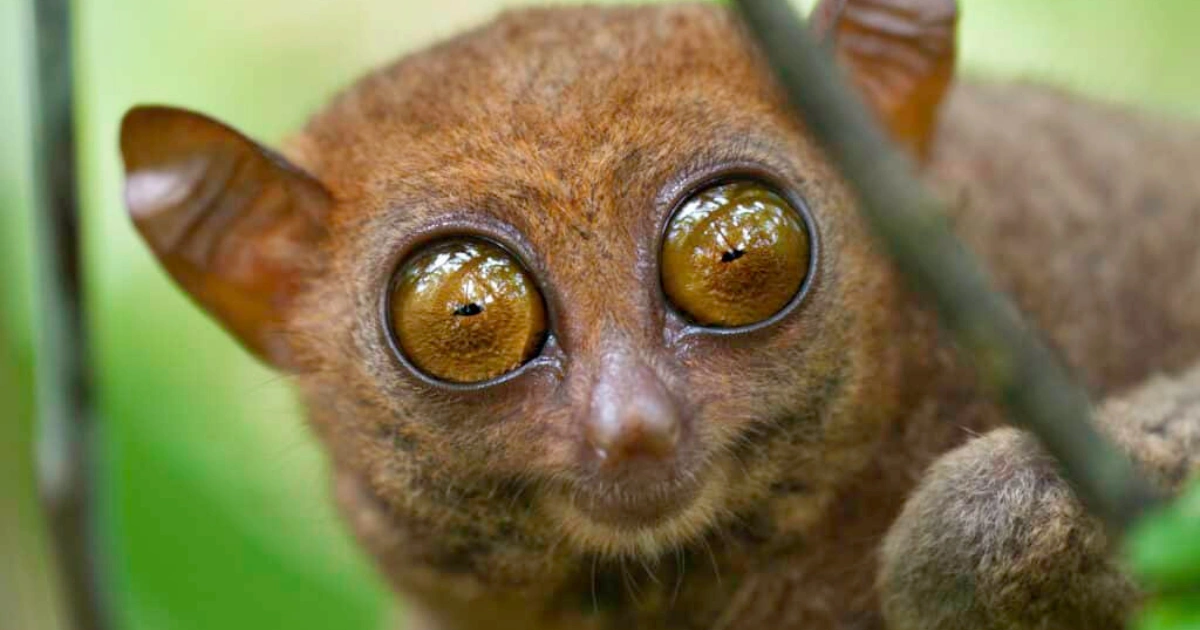
Primary Keyword: animal close-ups
Nature looks very different when viewed up close. A colorful bird’s beak can resemble modern art, a reptile’s scales can look like ancient armor, and a mammal’s fur can appear like an abstract pattern. That’s why animal close-ups have become so popular online—they challenge our perception and reveal details we rarely notice in everyday life.
From chameleons and pangolins to cheetahs and toucans, the animal kingdom is filled with remarkable textures, colors, and adaptations that become even more fascinating when viewed at a microscopic level. Looking closely at these features helps us understand how animals survive, communicate, and thrive in their environments.
Why Animal Close-Ups Are So Fascinating
Humans are naturally curious about patterns and hidden details.
When we see only a small section of an animal, our brains often struggle to identify what we’re looking at. A reptile’s scales may resemble pebbles, a bird’s feathers may look like painted fabric, and a mammal’s fur can appear completely unfamiliar.
Close-up photography allows us to appreciate details that are often invisible from a normal viewing distance.
Benefits of studying animal close-ups include:
- Greater appreciation of biodiversity
- Understanding animal adaptations
- Improved wildlife identification skills
- Increased interest in conservation
- A deeper connection to nature
Chameleon: The Master of Color and Texture


One of the most recognizable animal close-ups comes from the chameleon.
Its skin is covered in tiny scales arranged in intricate patterns that create a mosaic-like appearance. Contrary to popular belief, chameleons do not change color simply to blend into their surroundings. Color changes are often related to temperature regulation, communication, and emotional state.
Interesting Facts About Chameleons
- Their eyes can move independently.
- They possess extremely long projectile tongues.
- Many species can alter coloration rapidly.
- Most are native to Africa and Madagascar.
The unique texture of a chameleon’s skin makes it instantly recognizable in macro photography.
Komodo Dragon: The Giant Lizard


The circular scale pattern around a Komodo dragon’s eye often surprises people when seen up close.
As the largest living lizard, the Komodo dragon is a powerful predator found on several Indonesian islands.
What Makes Komodo Dragons Unique?
- Can exceed 10 feet (3 meters) in length.
- Possess highly developed senses for locating prey.
- Use serrated teeth adapted for feeding.
- Occupy a unique ecological niche.
Close-up images reveal an armor-like skin structure that helps protect these remarkable reptiles.
Pangolin: The World’s Only Scaled Mammal


Among all mammals, pangolins are truly unique.
Their bodies are covered with overlapping keratin scales similar to those found in human fingernails. These scales provide protection from predators and create one of the most distinctive textures in the animal kingdom.
Pangolin Adaptations
- Specialized for eating ants and termites.
- Long sticky tongue for feeding.
- Defensive curling behavior.
- Strong claws for digging.
Their unusual appearance often makes them one of the hardest animals to identify from close-up photographs.
Cheetah: Built for Speed


A close-up view of a cheetah’s coat reveals the famous black spots that help camouflage it within grasslands and savannas.
Unlike leopards, cheetahs have solid spots rather than rosettes.
Why Cheetahs Are Special
- Fastest land animals on Earth.
- Can reach speeds exceeding 60 mph (97 km/h).
- Lightweight body structure.
- Long tail provides balance during high-speed turns.
The spot pattern seen in macro photography serves as both camouflage and an identifying characteristic.
Toucan: Nature’s Colorful Beak


Few animal close-ups are as visually striking as a toucan’s bill.
The enormous beak appears heavy, but it is actually lightweight due to its internal structure.
Functions of the Toucan’s Beak
- Temperature regulation
- Fruit gathering
- Social signaling
- Species recognition
Its vivid colors make it one of the most recognizable bird features in the world.
How Animal Adaptations Become Visible Up Close
Macro photography often reveals adaptations that are difficult to appreciate from a distance.
Examples include:
Protective Structures
- Pangolin scales
- Reptile armor
- Thick feathers
- Specialized fur
Camouflage Patterns
- Cheetah spots
- Reptile coloration
- Bird feather markings
Sensory Features
- Chameleon eyes
- Whiskers
- Feather structures
- Specialized skin textures
Each detail reflects millions of years of evolution.
The Role of Close-Up Photography in Conservation
Wildlife photography plays an important role in conservation awareness.
Detailed animal close-ups can:
- Highlight species diversity
- Inspire public interest
- Support conservation campaigns
- Encourage environmental education
- Showcase endangered species
When people develop emotional connections to wildlife, they are often more likely to support conservation efforts.
Frequently Asked Questions
Why are animal close-ups difficult to identify?
Close-up images isolate small portions of an animal, removing familiar features that people normally use for identification.
What animal is covered in scales but is a mammal?
The pangolin is the only mammal covered primarily in protective scales.
Why do chameleons change color?
Chameleons change color for communication, temperature regulation, and social interactions rather than simply for camouflage.
Are toucan beaks heavy?
No. Despite their large size, toucan beaks are lightweight because of their specialized internal structure.
What makes cheetah spots different from leopard spots?
Cheetahs have solid black spots, while leopards typically display rosette-shaped markings.
Internal Linking Suggestions
For SecretsoftheGreenGarden.com, consider linking to:
- Amazing Animal Adaptations in Nature
- How Camouflage Helps Wildlife Survive
- Fascinating Backyard Wildlife You May Never Notice
External Linking Suggestions
For additional information, consider referencing:
- Smithsonian National Zoo & Conservation Biology Institute
- National Geographic Animals
- World Wildlife Fund (WWF) Species Guide
Conclusion
Animal close-ups reveal a hidden world of extraordinary textures, colors, and adaptations that often go unnoticed. Whether it’s the mosaic scales of a chameleon, the armored plates of a pangolin, the spotted coat of a cheetah, or the colorful beak of a toucan, each feature tells a story about survival and evolution. By looking more closely at nature, we gain a deeper appreciation for the remarkable diversity of life that shares our planet.