
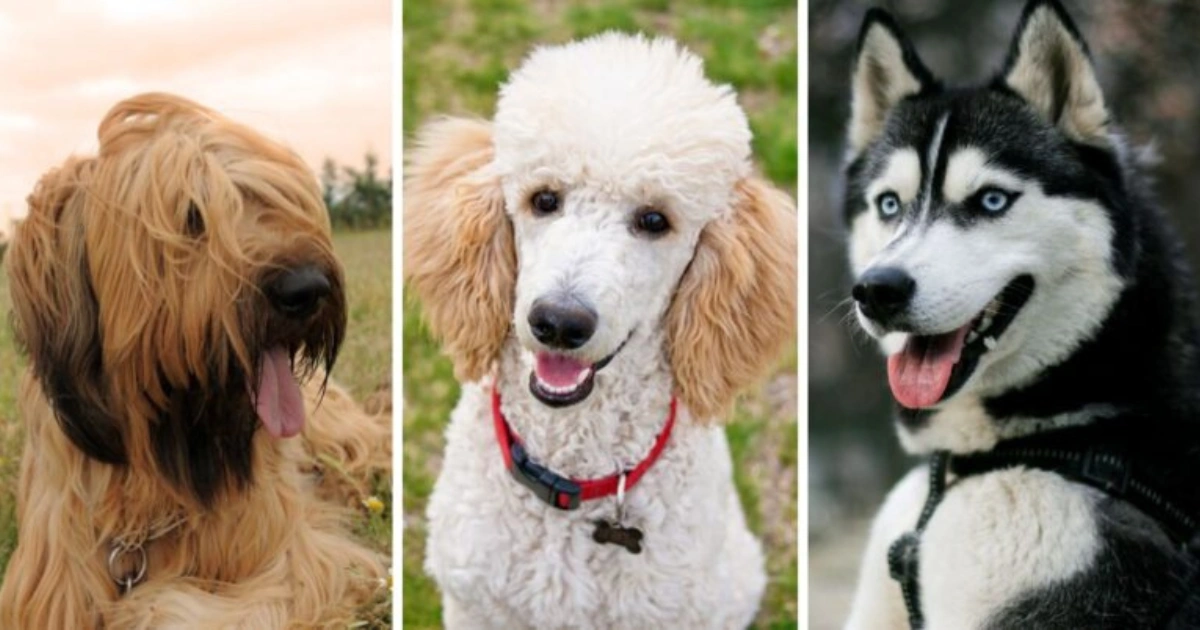
Primary Keyword: dog breed personalities
Dogs were originally developed for specific jobs, environments, and lifestyles. Over generations, selective breeding shaped not only their appearance but also many of the behavioral traits we recognize today. While every dog is an individual, certain breeds are often associated with characteristic temperaments that make them fascinating companions.
Looking at dog breed personalities through a human lens can be a fun way to understand why different breeds appeal to different types of people. Some are natural planners, some are social butterflies, and others are independent adventurers who prefer charting their own path.
Of course, no dog—or person—fits perfectly into a single category. But these breed personalities offer an entertaining glimpse into the traits that have made certain dogs beloved around the world.
Why Dog Breed Personalities Exist
Before modern dog breeds became household companions, they were working animals bred for specialized tasks.
Breeders selected dogs based on qualities such as:
- Intelligence
- Trainability
- Independence
- Herding ability
- Protective instincts
- Endurance
- Sociability
Over time, these traits became deeply associated with specific breeds.
Although environment, training, and socialization play major roles in behavior, breed history often provides valuable clues about temperament.
The Planner and Workaholic: Border Collie


If you love organizing projects, making lists, and staying productive, you may identify with the Border Collie.
Originally developed for herding livestock along the borders of England and Scotland, Border Collies are renowned for their intelligence and work ethic.
Common Traits
- Focused
- Organized
- Energetic
- Driven
- Quick learners
These dogs thrive when given tasks and mental challenges. Without enough stimulation, they often invent jobs of their own.
Human Equivalent
The person who color-codes calendars, plans vacations months ahead, and always has a new project underway.
The Loyal Introvert: Akita


The Akita is often described as reserved with strangers but deeply devoted to family members.
Originally bred in Japan for guarding and hunting, Akitas tend to form strong bonds with a relatively small circle of trusted people.
Common Traits
- Faithful
- Protective
- Reserved
- Calm
- Independent
Human Equivalent
Someone who prefers a few close friendships over large social gatherings and values loyalty above popularity.
The Social Butterfly: Labrador Retriever


Few breeds match the outgoing reputation of the Labrador Retriever.
Originally used by fishermen and later developed as retrievers, Labradors are known for their enthusiasm and friendly nature.
Common Traits
- Outgoing
- Friendly
- Affectionate
- Enthusiastic
- Adaptable
Human Equivalent
The person who remembers everyone’s name, makes friends everywhere, and enjoys bringing people together.
The Independent Thinker: Siberian Husky


Developed to pull sleds across long distances in harsh Arctic conditions, Huskies combine intelligence with remarkable independence.
Unlike some breeds that constantly seek guidance, Huskies often prefer evaluating situations for themselves.
Common Traits
- Adventurous
- Determined
- Intelligent
- Curious
- Free-spirited
Human Equivalent
The traveler who prefers exploring unknown trails rather than following a guidebook.
The Gentle Protector: Newfoundland


Despite their enormous size, Newfoundlands are famous for their calm and patient nature.
Historically used as water rescue dogs and working companions, they are often described as gentle giants.
Common Traits
- Kind-hearted
- Patient
- Calm
- Dependable
- Protective
Human Equivalent
The friend everyone calls during a crisis because they always remain calm and supportive.
The Curious Explorer: Beagle


Beagles were developed as scent hounds, and their powerful noses still guide much of their behavior today.
Their curiosity often leads them on adventures, whether exploring a forest trail or investigating an interesting smell in the backyard.
Common Traits
- Inquisitive
- Alert
- Energetic
- Persistent
- Scent-focused
Human Equivalent
The person who constantly asks questions, loves discovering new places, and never stops learning.
What Breed Preferences May Reveal
People are often drawn to dogs whose traits complement their own personalities.
For example:
- Active individuals frequently prefer energetic working breeds.
- Independent people may appreciate self-reliant dogs.
- Social families often gravitate toward friendly companion breeds.
- Outdoor enthusiasts may enjoy adventurous sporting dogs.
This doesn’t mean every owner matches their dog’s personality perfectly, but there is often an interesting connection.
Nature, Nurture, and Individual Differences
Breed tendencies provide useful insights, but they never tell the entire story.
A dog’s behavior is influenced by:
- Genetics
- Training
- Early socialization
- Environment
- Health
- Life experiences
Two dogs of the same breed can develop very different personalities depending on how they are raised and the experiences they encounter.
Understanding breed tendencies should be viewed as a guide rather than a guarantee.
Why Understanding Breed Temperaments Matters
Choosing a dog based solely on appearance can lead to mismatched expectations.
Understanding dog breed personalities helps owners:
- Select suitable breeds
- Meet exercise needs
- Provide appropriate mental stimulation
- Build stronger relationships
- Prevent behavioral problems
When a dog’s natural instincts align with its owner’s lifestyle, both tend to thrive.
Frequently Asked Questions
Are dog breed personalities accurate?
Breed personalities reflect general tendencies developed through selective breeding. Individual dogs can vary significantly from these stereotypes.
Which dog breed is considered the most intelligent?
Many experts rank the Border Collie among the most intelligent breeds due to its exceptional learning ability and problem-solving skills.
Are Labrador Retrievers really friendly?
Labradors are widely known for their sociable and outgoing nature, although individual temperament varies.
Why are Huskies considered independent?
Huskies were bred to work in challenging environments where they often needed to make decisions independently, contributing to their self-reliant nature.
Can training change a dog’s personality?
Training can influence behavior and improve communication, but it cannot completely erase natural breed tendencies or inherited traits.
Internal Linking Suggestions
For SecretsoftheGreenGarden.com, consider linking to:
- How to Read Dog Body Language
- Creating a Pet-Friendly Backyard Garden
- Understanding Why Dogs Dig and Explore
External Linking Suggestions
For additional information about canine behavior and breed traits, consider referencing:
- American Kennel Club Breed Library
- American Veterinary Medical Association (AVMA)
- Cornell University College of Veterinary Medicine
Conclusion
Dog breed personalities offer a fascinating glimpse into the history and purpose of different breeds. From the focused determination of the Border Collie to the adventurous independence of the Siberian Husky, many canine traits reflect the jobs these dogs were originally bred to perform. While every dog is unique, understanding breed tendencies can help owners appreciate the instincts, behaviors, and personalities that make each breed special. Whether you’re a planner, an explorer, a social butterfly, or a loyal introvert, there may be a dog breed that feels surprisingly familiar.