
Primary Keyword: dog body language
Dogs communicate constantly, but they do so primarily through posture, facial expressions, tail position, ear movement, and subtle changes in body tension. Learning to understand dog body language can help prevent misunderstandings, improve training, and strengthen the bond between dogs and their owners.
Many people focus on barking or growling when trying to understand a dog’s emotions. In reality, dogs often communicate their feelings long before they make a sound. By recognizing the difference between a relaxed dog and a stressed dog, owners can respond appropriately and help their pets feel safe and comfortable.
Why Dog Body Language Matters
Dogs evolved to communicate through visual signals. Every movement, posture, and expression can provide clues about how a dog is feeling.
Understanding these signals helps owners:
- Prevent conflicts between dogs
- Improve training success
- Recognize fear or anxiety early
- Create positive social experiences
- Enhance safety around children and other pets
Reading canine body language is one of the most valuable skills any dog owner can develop.
What a Relaxed Dog Looks Like
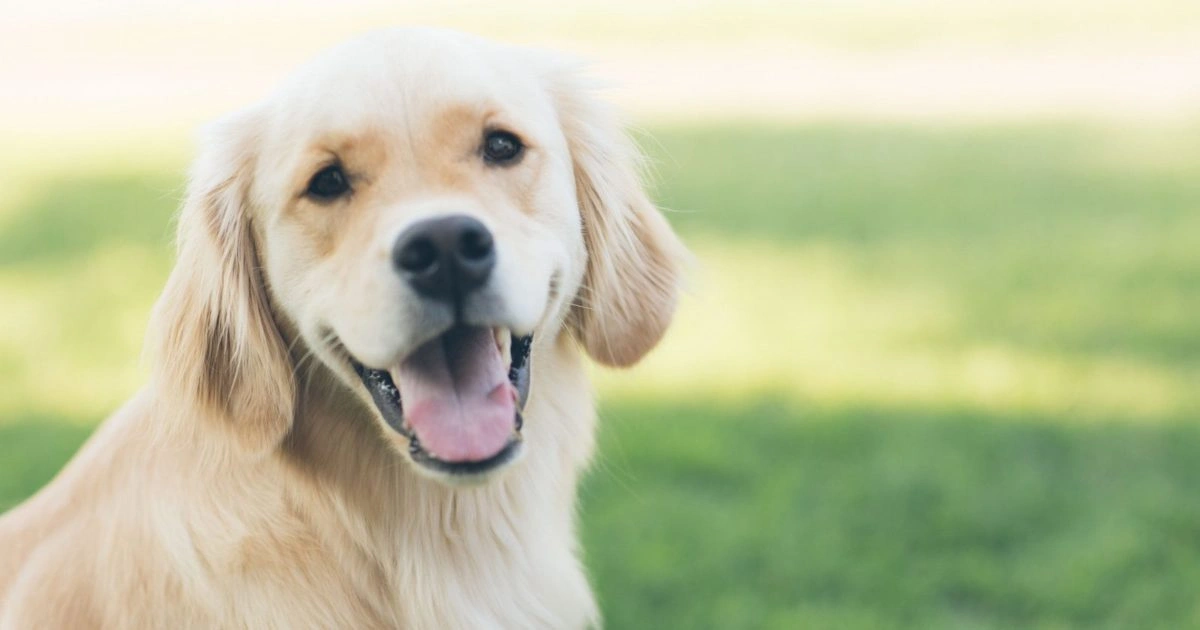
A relaxed dog typically displays loose, comfortable body language. The dog’s movements appear natural and fluid rather than tense or rigid.
Soft Eyes
Relaxed dogs usually have calm eyes with a natural shape.
Characteristics include:
- Gentle gaze
- Normal pupil size
- No visible whites around the eyes
- Soft facial muscles
The dog appears comfortable with its surroundings.
Relaxed Ears
Ear position varies by breed, but relaxed ears generally sit in a natural resting position.
They are neither pinned tightly backward nor sharply focused forward.
Loose Mouth
A relaxed dog often has:
- A slightly open mouth
- Relaxed lips
- Gentle panting when appropriate
- No excessive tension around the muzzle
Many owners describe this expression as a canine smile.
Balanced Weight Distribution
When standing comfortably, a dog’s weight is evenly distributed across all four legs.
The posture appears stable and natural.
Tail at a Neutral Height
Contrary to popular belief, tail position is often more important than wagging.
A relaxed tail generally sits at a natural height for that particular breed.
Different breeds carry their tails differently, so owners should learn what normal looks like for their own dog.
Loose Muscles and Smooth Coat
A comfortable dog displays:
- Fluid movements
- Relaxed paws
- Soft body posture
- No visible muscle tension
The entire body appears calm and balanced.
Signs of Stress in Dogs
Stress can range from mild discomfort to intense fear.
Recognizing early signs allows owners to intervene before the situation escalates.
Whale Eye
One of the most important stress signals is known as “whale eye.”
This occurs when a dog turns its head slightly while keeping its eyes focused on something, exposing the whites of the eyes.
Whale eye often indicates:
- Anxiety
- Uncertainty
- Fear
- Discomfort
It should never be ignored.
Ears Pinned Back
When a dog’s ears are pulled backward against the head, it may indicate:
- Nervousness
- Submission
- Fear
- Stress
The context is important, but persistent ear pinning often signals emotional discomfort.
Excessive Panting
Panting is normal during exercise or hot weather.
However, panting without physical exertion can be a sign of:
- Anxiety
- Stress
- Pain
- Fear
Monitoring the situation can help determine the cause.
Weight Shifted Backward
A stressed dog often shifts its body weight away from a perceived threat.
This posture suggests the dog may be considering retreating or avoiding interaction.
Raised Hackles
Raised hackles occur when the hair along the dog’s back stands up.
Many people mistakenly assume this always means aggression.
In reality, raised hackles simply indicate heightened emotional arousal, which may result from:
- Fear
- Excitement
- Uncertainty
- Defensive behavior
Context is essential when interpreting this signal.
Low Tail Position
A tail carried unusually low can indicate:
- Anxiety
- Submission
- Fear
- Lack of confidence
Some dogs may even tuck their tails beneath their bodies when highly stressed.
Paw Lift
A lifted front paw often reflects uncertainty.
Dogs commonly display this signal when they are trying to assess a situation and are unsure how to respond.
Stiff Body Posture
One of the clearest indicators of discomfort is a rigid body.
Unlike the fluid movements of a relaxed dog, a stressed dog may appear:
- Frozen
- Tense
- Rigid
- Ready to react
Stiffness should always be taken seriously.
Common Situations That Trigger Stress
Many everyday situations can make dogs uncomfortable.
Examples include:
- Loud noises
- Unfamiliar visitors
- Veterinary appointments
- Crowded environments
- Unwanted handling
- Interactions with unfamiliar dogs
- Changes in routine
Understanding individual triggers helps owners manage stressful situations more effectively.
Stress Signals Often Missed by Owners
Some stress signals are subtle and frequently overlooked.
These include:
- Lip licking
- Yawning when not tired
- Turning the head away
- Avoiding eye contact
- Sudden sniffing of the ground
- Slow movements
- Shaking off after an interaction
These behaviors often appear before more obvious signs develop.
How to Help a Stressed Dog
When a dog shows signs of stress, the best response is usually to reduce pressure rather than force interaction.
Helpful strategies include:
Create Distance
Move the dog away from the source of stress whenever possible.
Distance often reduces anxiety immediately.
Allow Choice
Give the dog freedom to approach or retreat rather than forcing contact.
Use Positive Reinforcement
Reward calm behavior with treats, praise, or play.
Positive experiences help build confidence over time.
Maintain Predictable Routines
Dogs generally feel safer when daily schedules remain consistent.
Watch for Escalation
Early stress signals often prevent more serious reactions such as growling or snapping.
Understanding the Whole Dog
No single body language signal tells the entire story.
Tail position, ear movement, facial expression, posture, and environment should always be evaluated together.
For example:
- A wagging tail does not automatically mean happiness.
- Raised hackles do not automatically mean aggression.
- Panting does not always indicate heat.
The complete picture provides the most accurate interpretation.
Frequently Asked Questions
Does a wagging tail always mean a dog is happy?
No. Dogs wag their tails for many reasons, including excitement, uncertainty, nervousness, and arousal. Tail position and overall body language provide important context.
What is whale eye in dogs?
Whale eye occurs when the whites of a dog’s eyes become visible. It often indicates stress, fear, or discomfort.
Are raised hackles a sign of aggression?
Not necessarily. Raised hackles indicate emotional arousal and may occur during excitement, fear, curiosity, or defensive behavior.
How can I tell if my dog is relaxed?
Relaxed dogs typically display soft eyes, loose muscles, balanced posture, relaxed ears, and natural tail carriage.
What should I do if my dog looks stressed?
Reduce exposure to the stressor, create distance, allow the dog space, and avoid forcing interactions.
Internal Linking Suggestions
For SecretsoftheGreenGarden.com, consider linking to:
- Understanding Why Dogs Dig in the Garden
- Creating a Dog-Friendly Backyard Space
- Natural Ways to Reduce Stress in Pets
External Linking Suggestions
For additional information, consider referencing:
- American Veterinary Medical Association (AVMA)
- American College of Veterinary Behaviorists
- Cornell University College of Veterinary Medicine
Conclusion
Understanding dog body language allows owners to recognize how their dogs feel long before problems arise. A relaxed dog displays soft, fluid movements and balanced posture, while a stressed dog often shows signs such as whale eye, pinned-back ears, a low tail, or body tension. By learning to interpret these signals accurately, owners can improve communication, strengthen trust, and create a safer, more comfortable environment for their canine companions.