
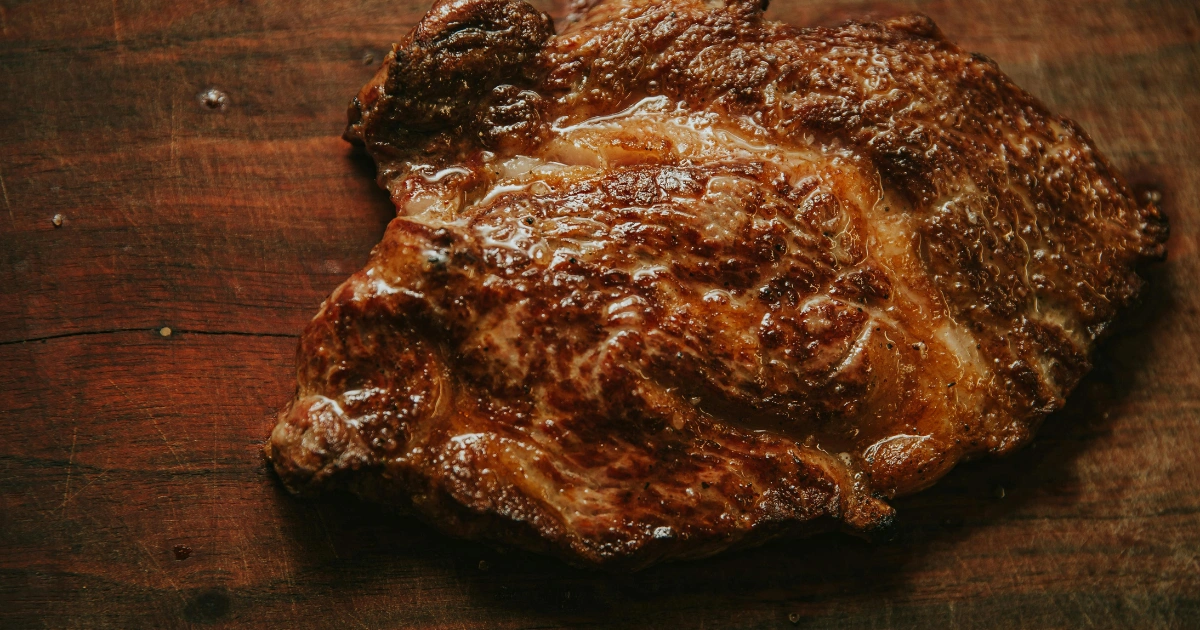
When it comes to cooking, flavor development is often the difference between a bland meal and a mouthwatering dish. One of the most important chemical processes responsible for the complex flavors in browned foods is the Maillard reaction. Understanding this process can transform the way you cook, allowing you to maximize flavor while controlling texture and aroma.
What Is the Maillard Reaction?
The Maillard reaction is a chemical reaction between amino acids (the building blocks of proteins) and reducing sugars that occurs when food is heated above 140°C (284°F). This reaction produces hundreds of flavorful compounds, giving browned foods their rich taste, aroma, and golden-brown appearance. It is responsible for the appealing crust on roasted meat, the deep flavor of seared bread, and the caramelized sweetness of sautéed onions.
Unlike simple caramelization, which involves only sugar, the Maillard reaction combines proteins and sugars to create complex flavors and color. This makes it a cornerstone of culinary science, especially in baking, roasting, and searing.
Why Boiled Food Lacks Flavor
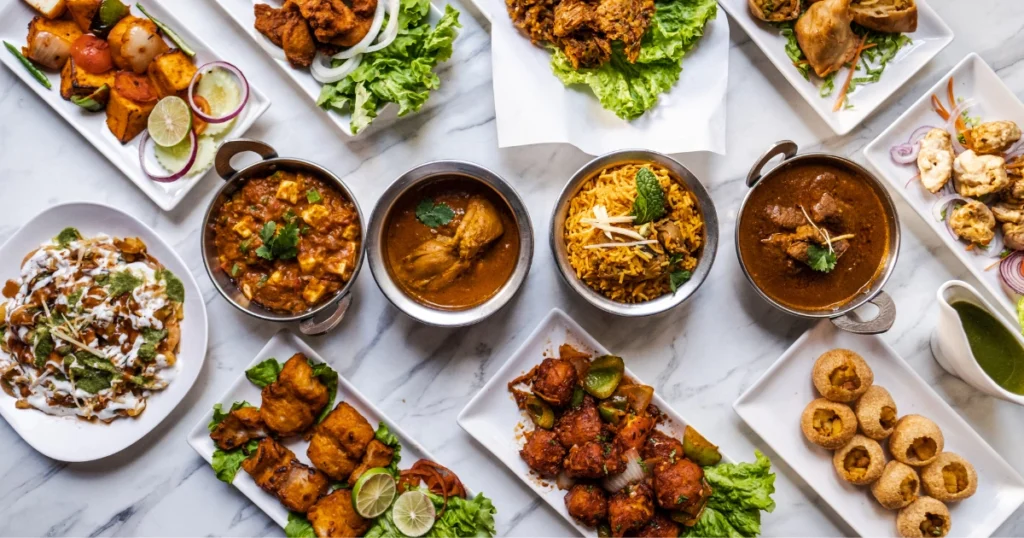
Boiling food often results in less flavorful dishes because the Maillard reaction requires dry heat. When food is submerged in water, it rarely reaches the high temperatures needed for the reaction to occur. Boiling primarily cooks food through steam and conduction, which does not promote the same browning chemistry. As a result, boiled foods have minimal Maillard compounds, producing softer textures and less intense flavors.
Key Factors Affecting the Maillard Reaction
Several factors influence how effectively the Maillard reaction develops flavor:
- Temperature: The reaction requires temperatures above 140°C (284°F). Cooking at lower temperatures, such as boiling, limits flavor production.
- Surface Dryness: Moist surfaces inhibit browning. Patting food dry before searing meat or roasting vegetables enhances the reaction.
- Timing: Longer exposure to high heat increases browning but can also lead to burning. Timing is critical to achieving optimal flavor.
- Protein and Sugar Content: Foods rich in amino acids and sugars will undergo the Maillard reaction more intensely, generating more complex flavors.
Practical Tips for Maximizing Flavor
- Preheat Your Cooking Surface: Ensure pans, ovens, or grills reach the proper temperature before cooking to promote immediate browning.
- Dry Food Before Cooking: Excess moisture prevents effective Maillard reactions. Pat meats, vegetables, and bread before applying heat.
- Control Cooking Time: Achieve a balance between sufficient browning and preventing burning. Watch closely and adjust heat as needed.
- Layer Flavors: Use marinades or sugar-containing rubs to enhance the reaction, but avoid excessive sugar that can cause burning.
- Surface Contact: Direct contact with a hot pan or grill improves browning. Avoid overcrowding the pan, which can trap moisture.
Foods That Benefit Most from the Maillard Reaction
- Meat: Seared steaks, roasted chicken, and grilled pork develop complex, savory crusts.
- Bread and Pastries: Toasted bread, bagels, and pastries gain appealing texture and aroma.
- Vegetables: Roasted root vegetables like carrots, potatoes, and onions develop deeper sweetness and flavor.
- Coffee and Cocoa: Roasting transforms beans through the Maillard reaction, enhancing aroma and taste.
Health Considerations
While the Maillard reaction enhances flavor, some compounds, especially acrylamide in overcooked starchy foods, may pose health risks. Cooking methods that balance browning without charring are ideal for both flavor and safety.
FAQs About the Maillard Reaction
1. How is the Maillard reaction different from caramelization?
Caramelization involves only sugars breaking down under heat. The Maillard reaction requires both proteins and sugars, producing more complex flavors and browning.
2. Can I enhance the Maillard reaction in home cooking?
Yes. Ensure food is dry, cook at high heat, and avoid overcrowding your pan. Marinating with small amounts of sugar or amino-rich ingredients can also help.
3. Is browning meat necessary for flavor?
While not strictly necessary, browning greatly improves taste and aroma by creating hundreds of flavorful compounds that boiling alone cannot produce.
4. Does the Maillard reaction occur in liquids?
It is less effective in moist environments. Dry-heat cooking methods like roasting, searing, and baking are optimal.
5. Can I burn food while attempting the Maillard reaction?
Yes. Excessive heat or cooking too long can produce burnt flavors and potentially harmful compounds. Balance is key.