
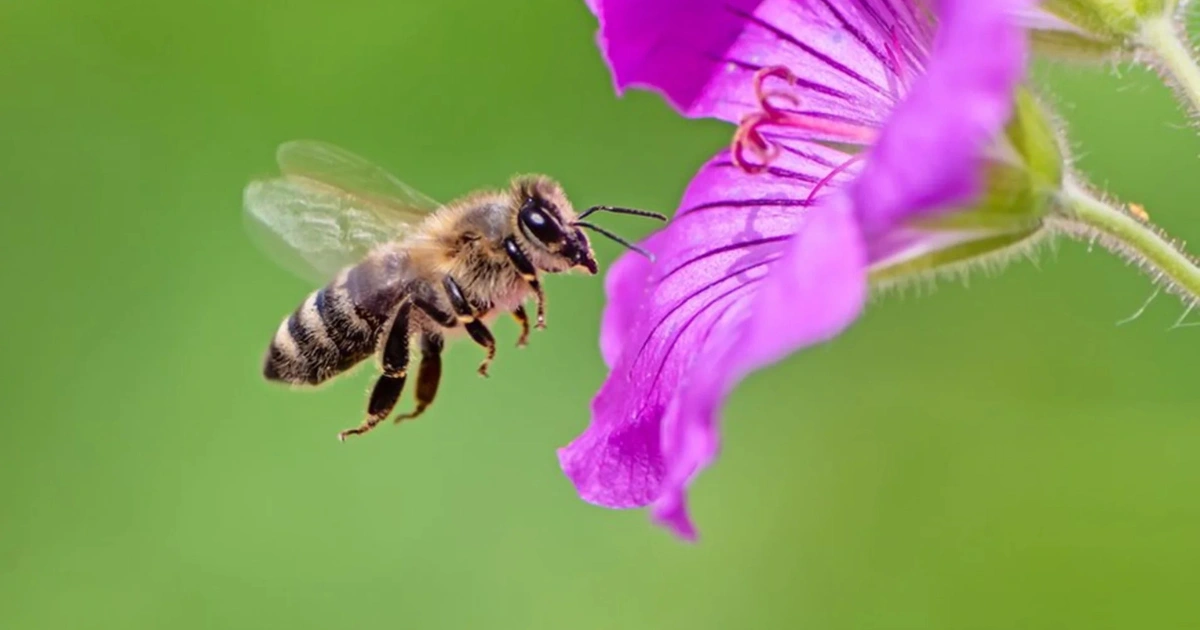
Honey is far more diverse than many people realize. Its color, flavor, texture, aroma, and nutritional profile can vary dramatically depending on the flowers visited by bees and the breed of bee producing it. Around the world, beekeepers carefully select bee breeds based on climate, honey yield, temperament, and adaptability to local environments.
Understanding the relationship between bee breeds and honey types helps explain why some honeys are light and mild while others are dark, rich, and intensely flavored. It also provides valuable insight for gardeners, beekeepers, and consumers interested in pollination, biodiversity, and sustainable honey production.
Why Bee Breeds Matter in Honey Production
Different honey bee breeds have unique behavioral and biological traits that influence honey production. Some bees thrive in cold climates, while others are known for high honey yields or gentle behavior.
Bee genetics can affect:
- Honey production volume
- Pollination efficiency
- Adaptation to weather conditions
- Disease resistance
- Temperament and hive management
The most common managed honey bee species worldwide is Apis mellifera, but within this species are several important regional bee breeds.
Wildflower Honey and Dark Bees
What Is Wildflower Honey?
Wildflower honey is produced when bees collect nectar from a wide variety of flowering plants rather than a single plant species. This creates a complex flavor profile that changes depending on season and location.
Wildflower honey is often valued for:
- Rich aroma
- Diverse floral notes
- Natural enzyme content
- Regional flavor variation
Mediterranean wildflower honey, for example, may contain nectar from herbs such as thyme, lavender, and rosemary.
Characteristics of Dark Bees
Dark bees, often associated with the European dark bee (Apis mellifera mellifera), are well adapted to cooler climates and harsh weather conditions.
Key traits include:
- Strong winter survival
- Efficient food conservation
- Good resistance to cold environments
- Defensive but resilient behavior
These bees are commonly preferred in northern regions where winters are long and nectar seasons are shorter.
Italian Bees and High-Yield Honey
Why Italian Bees Are Popular
Italian bees are among the most widely used honey bee breeds in commercial beekeeping. Known for their gentle nature and productivity, they are especially favored by beginner beekeepers.
Important characteristics include:
- Calm temperament
- Strong colony growth
- High honey production
- Excellent foraging activity
Italian bees perform best in warm climates with long flowering seasons.
High-Yield Honey Production
Colonies of Italian bees are known for producing consistent honey harvests under favorable conditions. Because they maintain large worker populations, they can gather nectar efficiently during peak bloom periods.
Beekeepers often choose Italian bees when prioritizing:
- Commercial honey output
- Easy hive management
- Reliable spring buildup
- Strong pollination activity
Carpathian Bees and Light Honey
What Makes Light Honey Different?
Light honey varieties are generally mild in flavor and lighter in color because they come from delicate floral nectar sources such as clover, acacia, or spring blossoms.
These honeys are popular because they offer:
- Mild sweetness
- Smooth texture
- Versatile culinary use
- Attractive golden appearance
Carpathian Bee Traits
Carpathian bees are recognized for their gentle behavior and efficient spring colony development. Originating from mountainous regions of Eastern Europe, they adapt well to changing seasonal conditions.
Notable advantages include:
- Calm temperament
- Rapid spring buildup
- Good overwintering ability
- Efficient nectar collection
Their strong early-season activity helps produce abundant spring honey harvests.
Oak and Chestnut Honey With Caucasian Bees
Characteristics of Dark Forest Honey
Oak and chestnut honey varieties are darker and more robust than floral honeys. These honeys are often associated with forest ecosystems and contain mineral-rich nectar or honeydew sources.
Typical features include:
- Deep amber or dark brown color
- Strong earthy flavor
- Less sweetness than light honey
- Higher mineral content
These bold honey varieties are especially popular in parts of Europe.
Caucasian Bee Adaptations
Caucasian bees are known for their calm behavior and ability to thrive in cooler climates. They possess relatively long tongues, allowing them to access nectar from flowers that other bees may struggle to forage.
Advantages of Caucasian bees include:
- Gentle colony behavior
- Effective nectar gathering
- Strong cold-weather tolerance
- Good hive stability
Because they work efficiently in cooler temperatures, they are valuable in mountainous or temperate regions.
Manuka Honey and Specialized Pollination
What Makes Manuka Honey Unique?
Manuka honey originates primarily from New Zealand, where bees pollinate the manuka shrub (Leptospermum scoparium). This honey is internationally recognized for its distinctive composition and premium market value.
Manuka honey is known for:
- Rich earthy flavor
- Thick texture
- Dark golden color
- High commercial demand
Its limited production area contributes significantly to its high price.
Bees Used in Manuka Pollination
Beekeepers place hives near manuka flowering regions during bloom seasons to maximize nectar collection. The bees themselves are not a separate species, but colonies are strategically managed to focus on manuka pollination.
Because flowering windows are relatively short, successful honey production depends heavily on:
- Weather conditions
- Colony strength
- Flower availability
- Careful hive placement
How Climate Influences Bee Breeds and Honey Types
Climate plays a major role in determining which bee breeds succeed in a region and what honey varieties can be produced.
Cold Climate Bee Breeds
Bee breeds adapted to colder conditions often show:
- Better winter clustering behavior
- Reduced food consumption
- Greater resilience during long winters
Examples include:
- Dark bees
- Caucasian bees
- Carpathian bees
Warm Climate Bee Breeds
Warmer regions favor highly productive colonies with long foraging seasons.
Italian bees excel in these environments because they:
- Expand colonies rapidly
- Maintain active brood production
- Gather nectar continuously during long flowering periods
Choosing the Right Bee Breed for Beekeeping
Beekeepers select bee breeds based on several factors beyond honey production alone.
Important considerations include:
- Local climate
- Disease resistance
- Temperament
- Swarming tendencies
- Nectar availability
- Desired honey type
No single bee breed is ideal for every environment. Successful beekeeping often depends on matching bee genetics to regional conditions.
Fascinating Facts About Bees and Honey
- Honey bees visit millions of flowers to produce a single jar of honey.
- Different flower sources dramatically influence honey flavor and color.
- Bees communicate food locations using the “waggle dance.”
- Honey naturally contains antioxidants and trace minerals.
- Some honey varieties remain liquid longer depending on sugar composition.
Frequently Asked Questions
Which bee breed produces the most honey?
Italian bees are widely considered one of the highest-yielding honey bee breeds under favorable conditions.
Why is some honey darker than others?
Honey color depends largely on nectar source. Forest and chestnut honeys are typically darker and richer in flavor than floral honeys.
What is special about Manuka honey?
Manuka honey comes mainly from New Zealand manuka plants and is valued for its unique composition and limited production.
Are all honey bees the same species?
Most managed honey bees belong to Apis mellifera, but there are multiple regional breeds with distinct characteristics.
Which bee breed is best for cold climates?
Dark bees, Carpathian bees, and Caucasian bees are often preferred for colder regions because of their winter hardiness.
Internal Linking Suggestions
For stronger topical authority on secretsofthegreengarden.com, consider internally linking to related content such as:
- “Plants That Attract Pollinators to Your Garden”
- “How to Support Bees Naturally in Backyard Spaces”
- “The Importance of Pollinators in Food Production”
External Linking Suggestions
For trustworthy reference material, consider linking to:
- United States Department of Agriculture – Honey Bee Research
- University of California Agriculture and Natural Resources – Honey Bee Biology
- Food and Agriculture Organization – Pollinators and Food Security
Conclusion
Bee breeds and honey types are closely connected through climate, floral resources, and bee behavior. From hardy dark bees producing rich wildflower honey to Italian bees known for abundant honey harvests, each breed contributes unique strengths to modern beekeeping.
Understanding these differences helps consumers appreciate the diversity of honey while supporting sustainable pollination and biodiversity. As pollinator populations face increasing environmental pressure, responsible beekeeping and habitat protection remain essential for the future of honey production worldwide.
Hello there! This blog post couldn’t be written any better!
Going through this article reminds me of my previous roommate!
He always kept talking about this. I most certainly will forward
this information to him. Fairly certain he’s going to have a good read.
Many thanks for sharing!
Very great post. I just stumbled upon your weblog and wished to say that I have really enjoyed browsing your blog posts.
In any case I will be subscribing on your rss feed and I hope you write again soon!
I’m not that much of a internet reader to be honest but your sites really nice, keep it up!
I’ll go ahead and bookmark your site to come back later on. All the best
Astronaut by Red Tiger may be a rather simple game. However, it has an engaging and interactive gameplay that makes you carefully consider every next step. Add to this a high RTP and the possibility of big wins, and it is no wonder that many players want to become the best at the Astronaut game. Here are some strategies that experienced players use. Buy Tickets Engaging Gameplay in Demon Hunters Story Its popularity in India? It’s convenient. Start with the astronaut game demo to practice risk-free, then transition seamlessly to real bets. Whether on PC or via the cosmic game download, the game’s sleek design and responsive play deliver thrilling entertainment. Founded in 2016, Pin-Up offers an intuitive platform with a user-friendly interface and a quick Pin-Up Astronaut game login. The casino supports Hindi and provides a generous welcome bonus up to ₹4,50,000 after the Pin-Up Astronaut registration process, with tiered deposit bonuses ranging from 100% to 125% depending on the amount.
https://full-led.cl/?p=7412
Though we lived thousands of miles apart, my life was far richer with my dad around. It meant something to me to talk regularly and share stories with him of my stumbles and my successes. I especially wanted him to stick around to get to know Desi. And I wanted Desi to get to know my dad — to have his own memories of him, and not just learn about him from pictures and secondhand stories, as I had with my dad’s parents, who died before I was born. Every extra month, week, and day with my dad in the world is meaningful to me, to us. Because, despite the narrative that would soon emerge around Covid-19, the truth is, no one’s life is disposable — no matter how old, frail, or vulnerable they might be. Menon earned a bachelor’s degree in neurobiology from Harvard University in Cambridge, Massachusetts, as well as a master’s degree in mechanical engineering and a medical degree from Stanford University in California. He completed his residency training in both emergency medicine and aerospace medicine at Stanford and the University of Texas Medical Branch in Galveston.
Hi, I do believe this is an excellent web site.
I stumbledupon it 😉 I may revisit once again since I saved as a favorite it.
Money and freedom is the best way to change, may you be rich and continue to help other people.
В данной статье мы поговорим о будущем медицины, акцентируя внимание на прорывных разработках и их потенциале. Читатель узнает о новых подходах к лечению, роли искусственного интеллекта и возможностях персонализированной медицины.
Узнайте всю правду – narcology clinic
I do not even understand how I finished up right here, but I thought this submit was once good.
I do not know who you might be however definitely you are going
to a famous blogger in case you are not already.
Cheers!
Hi there, everything is going fine here and ofcourse every one is sharing facts, that’s actually good, keep up
writing.
I used to be able to find good advice from your articles.
What’s Taking place i’m new to this, I stumbled upon this I have discovered It absolutely helpful and
it has helped me out loads. I am hoping to give a contribution & aid different customers like its helped me.
Good job.
Very nice post. I simply stumbled upon your weblog and
wished to say that I have truly loved browsing your blog posts.
After all I’ll be subscribing for your feed and I am hoping you
write again very soon!
Touche. Great arguments. Keep up the amazing effort.
В этой публикации мы предложим ряд рекомендаций по избавлению от зависимостей и успешному восстановлению. Мы обсудим методы привлечения поддержки и важность самосознания. Эти советы помогут людям вернуться к нормальной жизни и стать на путь выздоровления.
Раскрыть тему полностью – частный медик 24 рнд
Hey there, You’ve done a great job. I will certainly digg it and personally recommend to my
friends. I’m confident they’ll be benefited from this website.
Nice answers in return of this difficulty with solid arguments and telling everything about that.
At this time I am going away to do my breakfast, after having my breakfast coming over again to read other news.
Hello just wanted to give you a brief heads up and let you know a few of the images aren’t
loading correctly. I’m not sure why but I think its a
linking issue. I’ve tried it in two different internet
browsers and both show the same outcome.
My partner and I absolutely love your blog and find many of your post’s to be just what I’m looking for.
Does one offer guest writers to write content for yourself?
I wouldn’t mind creating a post or elaborating on most of the subjects you write with regards to here.
Again, awesome web log!
I was suggested this web site by my cousin. I’m not sure whether this post is written by him as nobody else know such detailed about my difficulty.
You are incredible! Thanks!
I got this web page from my buddy who told me regarding this web site
and at the moment this time I am visiting this website and reading very
informative content at this time.
This paragraph provides clear idea designed for the new users of blogging, that truly how to do blogging.
Вызвать нарколога на дом стоит не только при длительном запое. Поводом для обращения может быть сильное похмелье, резкое ухудшение самочувствия после алкоголя, абстинентный синдром, тревога, бессонница, нарушение поведения, отказ от еды и воды, признаки отравления или риск осложнений со стороны сердечно-сосудистой системы. Если человек уже несколько лет употребляет спиртное регулярно, лечение алкоголизма лучше начинать с консультации специалиста, а не с самостоятельного подбора препаратов.
Узнать больше – http://narkolog-na-dom-moskva13.ru/narkolog-na-dom-moskva-kruglosutochno/
Hi to every body, it’s my first go to see of this webpage; this website contains amazing
and genuinely fine stuff designed for readers.
I have learn several excellent stuff here. Certainly worth bookmarking for revisiting.
I surprise how a lot effort you place to create this kind of fantastic informative web site.
Wonderful work! That is the type of information that should be shared around the web.
Shame on Google for no longer positioning this submit
upper! Come on over and discuss with my website . Thanks =)
Great post.
WOW just what I was looking for. Came here by searching for garbage
chute fusible link
Howdy I am so glad I found your site, I really found you by mistake, while I was browsing on Digg for something else, Anyways I am
here now and would just like to say kudos for a fantastic
post and a all round enjoyable blog (I also love the theme/design),
I don’t have time to look over it all at the moment but I have saved it and also added in your
RSS feeds, so when I have time I will be back to read a great deal more,
Please do keep up the awesome work.
Howdy! I realize this is kind of off-topic however I needed to ask.
Does building a well-established website like yours
require a large amount of work? I am brand new to writing a
blog however I do write in my diary every day. I’d like to start a
blog so I will be able to share my personal experience and
thoughts online. Please let me know if you have any kind of recommendations or tips for brand new aspiring blog owners.
Thankyou!
Thank you for some other informative web site. Where else may I am getting that type
of info written in such a perfect manner? I’ve a undertaking
that I’m just now working on, and I have been at the glance
out for such info.
It’s going to be finish of mine day, except before ending I am
reading this wonderful post to improve my experience.
Wonderful post! We will be linking to this particularly great content on our website.
Keep up the good writing.
Backbiome is an advanced daily wellness supplement formulated to help support spinal comfort, reduce feelings of built-up tension, and promote freer, smoother movement throughout backbiome everyday life.
Boostaro is a modern men’s wellness boostaro formula created to support daily vitality, stamina, and confidence through a practical, natural routine.
Điều khiến mình hài lòng là 888slot store hoạt động ổn định cả trên wifi lẫn 4G. TONY07-08