
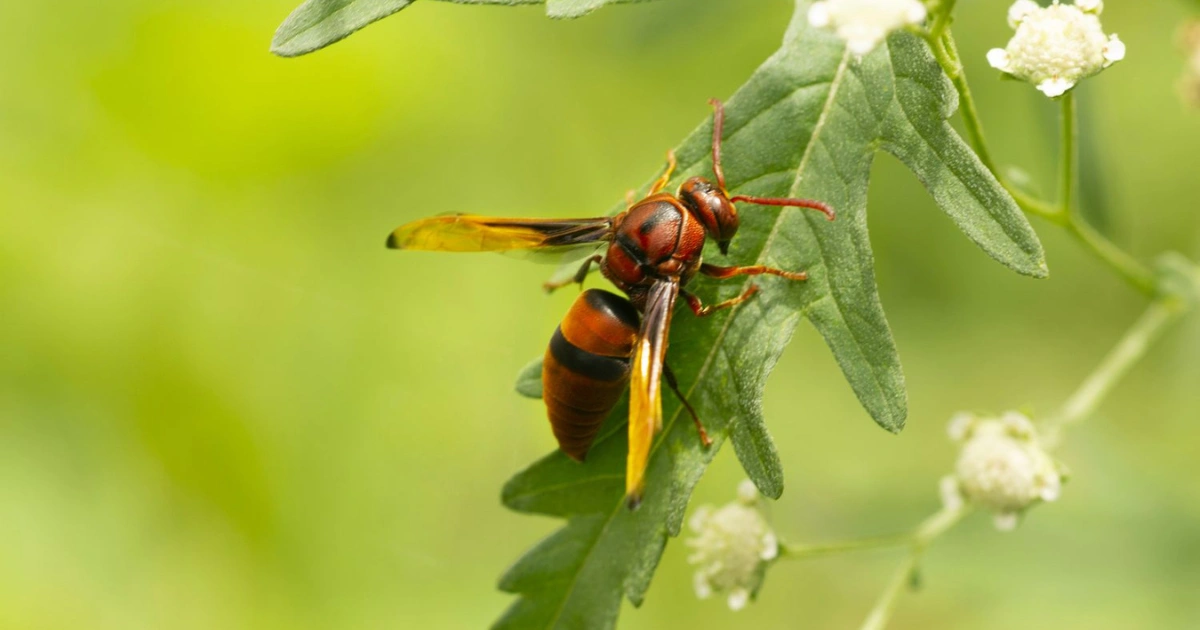
A healthy garden is more than just plants and flowers. Beneath the leaves and among the blooms lives an entire ecosystem of insects that quietly support plant growth, pollination, and natural pest control. While many gardeners focus on removing bugs, some insects are actually essential allies that help maintain balance and reduce harmful pest populations.
Encouraging beneficial insects in your garden can reduce the need for chemical pesticides while supporting biodiversity and healthier plants. From pollinating flowers to hunting destructive pests, these insects play vital roles in sustainable gardening.
In this guide, we explore eight beneficial insects that help protect gardens naturally and explain how to attract them to your outdoor space.
Why Beneficial Insects Matter in Gardening
Not all insects damage plants. Many species actively improve garden health by controlling pests or pollinating crops.
Main Benefits of Beneficial Insects
Helpful insects can:
- Pollinate flowers and vegetables
- Reduce aphid populations
- Control caterpillars and mites
- Improve ecosystem balance
- Support biodiversity
- Reduce pesticide dependence
A balanced garden ecosystem is often more resilient and productive.
Bees: Essential Pollinators for Food Production
Bees are among the most important pollinators on Earth.
Why Bees Are Important
Bees transfer pollen between flowers, helping plants produce:
- Fruits
- Vegetables
- Seeds
Without pollinators, many crops would struggle to reproduce successfully.
How to Support Bees
Gardeners can help bees by:
- Planting native flowers
- Avoiding pesticide overuse
- Providing continuous blooms
- Leaving small water sources nearby
Diverse flowering plants attract a wider range of pollinators.
Ladybugs: Natural Aphid Predators
Ladybugs are widely recognized as one of the best natural pest-control insects.
What Ladybugs Eat
Ladybugs commonly feed on:
- Aphids
- Mites
- Soft-bodied pests
Both adults and larvae are effective predators.
Why Gardeners Love Ladybugs
A single ladybug may consume large numbers of aphids during its lifetime, helping reduce pest outbreaks naturally.
Lacewings: Gentle-Looking but Powerful Hunters
Lacewings are delicate green insects with transparent wings, but their larvae are aggressive predators.
Pests Controlled by Lacewing Larvae
They often feed on:
- Aphids
- Whiteflies
- Mealybugs
- Small caterpillars
Because of their appetite for pests, lacewing larvae are sometimes called “aphid lions.”
Hoverflies: Pollinators and Pest Controllers
Hoverflies resemble small bees or wasps, but they are harmless flies.
Double Benefits of Hoverflies
Adult hoverflies:
- Pollinate flowers
Their larvae feed on:
- Aphids
- Small soft-bodied pests
This dual role makes them extremely valuable in gardens.
How to Attract Hoverflies
Hoverflies enjoy:
- Small open flowers
- Herbs like dill and fennel
- Wildflower patches
Diverse flowering plants encourage larger populations.
Ground Beetles: Nighttime Garden Protectors
Ground beetles are fast-moving insects that hunt pests near the soil surface.
What Ground Beetles Eat
They commonly prey on:
- Slugs
- Snails
- Caterpillars
- Soil-dwelling pests
Many species are active at night, helping protect plants while gardeners sleep.
Supporting Ground Beetles
Ground beetles prefer:
- Mulched areas
- Moist soil
- Leaf litter
- Undisturbed hiding places
Natural ground cover supports their populations.
Praying Mantises: Ambush Hunters in the Garden
Praying mantises are famous for their unique posture and hunting behavior.
What Praying Mantises Eat
They feed on:
- Flies
- Beetles
- Caterpillars
- Grasshoppers
Mantises are general predators that help control many insect populations.
Important Balance Note
Praying mantises also eat beneficial insects occasionally, so they are best viewed as part of a balanced ecosystem rather than a targeted solution.
Earwigs: Surprisingly Helpful Garden Insects
Earwigs often have a negative reputation because of their appearance, but they can be beneficial in moderate numbers.
Benefits of Earwigs
They may feed on:
- Aphids
- Decaying organic matter
- Small insect pests
When Earwigs Become a Problem
Large populations can sometimes damage soft plants or seedlings, so balance remains important.
Bumblebees: Powerful Pollinators for Gardens
Bumblebees are excellent pollinators, especially for certain vegetables and fruit crops.
Why Bumblebees Are Effective
Their larger bodies and vibration-based pollination techniques help fertilize plants efficiently.
They are especially valuable for:
- Tomatoes
- Peppers
- Berries
Supporting Bumblebees
Bumblebees benefit from:
- Flower diversity
- Reduced pesticide exposure
- Wild nesting spaces
Even small gardens can support local pollinator populations.
How to Attract Beneficial Insects Naturally
Creating the right environment is essential.
Best Ways to Encourage Helpful Insects
- Plant native flowers
- Grow herbs that bloom
- Reduce pesticide use
- Add water sources
- Leave natural shelter areas
- Include flowering plants year-round
Biodiversity attracts a healthier range of insects.
Why Chemical Pesticides Can Harm Helpful Insects
Broad-spectrum pesticides often kill beneficial insects alongside pests.
Problems Caused by Overusing Pesticides
Heavy pesticide use may:
- Reduce pollinator populations
- Disrupt ecosystem balance
- Increase pest resistance
- Harm soil organisms
Natural pest management often produces healthier long-term garden ecosystems.
Companion Planting and Beneficial Insects
Certain plants naturally attract beneficial insects.
Good Companion Plants
Examples include:
- Dill
- Fennel
- Marigolds
- Alyssum
- Yarrow
- Lavender
These plants provide nectar, pollen, and shelter.
Signs of a Healthy Garden Ecosystem
A thriving garden usually contains a mix of insects rather than complete insect absence.
Healthy Gardens Often Include
- Pollinators
- Predator insects
- Birds
- Soil organisms
- Diverse plant species
Balanced ecosystems naturally regulate many pest problems.
Beneficial Insects and Organic Gardening
Beneficial insects are central to many organic gardening systems.
Why Organic Gardeners Encourage Them
Natural predators help:
- Reduce pest outbreaks
- Minimize chemical dependence
- Improve ecological stability
This approach supports sustainable gardening practices.
FAQ
What insects are best for controlling aphids?
Ladybugs, lacewings, and hoverfly larvae are well-known aphid predators.
Are all garden insects harmful?
No. Many insects provide pollination and natural pest control benefits.
How can I attract more pollinators?
Plant diverse flowers, reduce pesticide use, and provide water sources.
Do praying mantises eat beneficial insects too?
Yes. They are general predators and may occasionally consume pollinators or other helpful insects.
Why are bees important for gardens?
Bees pollinate many fruits, vegetables, and flowering plants essential for food production.
Final Thoughts
Beneficial insects are essential partners in maintaining healthy, productive gardens. From bees and bumblebees that pollinate crops to ladybugs and lacewings that control pests naturally, these small creatures help create balanced ecosystems that support long-term plant health.
Instead of trying to eliminate all insects, successful gardeners often focus on encouraging biodiversity and natural balance. By planting pollinator-friendly flowers, reducing chemical pesticide use, and creating wildlife-friendly habitats, you can build a stronger and more resilient garden naturally.
A living garden truly is a protected garden.
Suggested Internal Links for secretsofthegreengarden.com
- Best Flowers for Attracting Pollinators
- Natural Ways to Control Garden Pests
- How to Build a Wildlife-Friendly Backyard Garden
Backbiome is an advanced daily wellness supplement formulated to help support spinal comfort, reduce feelings of built-up tension, and promote freer, smoother movement throughout backbiome everyday life.
Boostaro is a modern men’s wellness boostaro formula created to support daily vitality, stamina, and confidence through a practical, natural routine.