
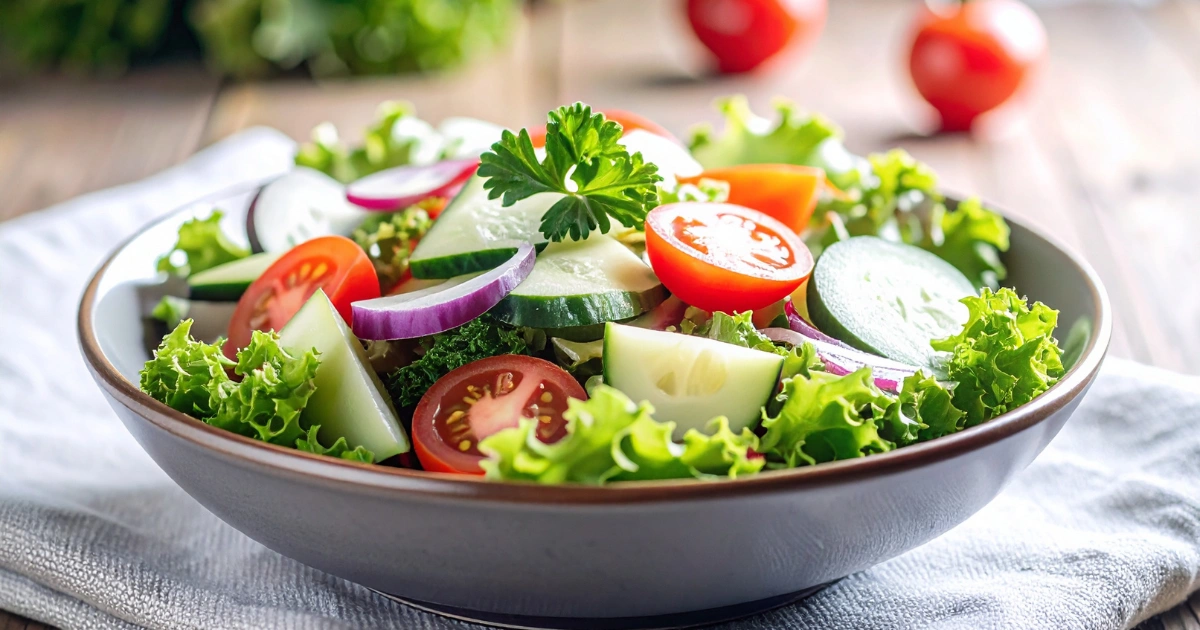
Healthy salads are often associated with bland meals and constant hunger, but the right combination of protein, fiber, and healthy fats can turn a simple salad into a filling and nutritious meal. These five weight loss salad recipes are designed to support balanced eating while still delivering flavor, texture, and long-lasting energy.
Each recipe uses fresh vegetables, lean protein, and light dressings to create meals that are easy to prepare and suitable for lunch or dinner. Whether you are trying to lose weight, improve your eating habits, or simply add more nutrient-dense meals to your routine, these salads can help you stay satisfied without feeling deprived.
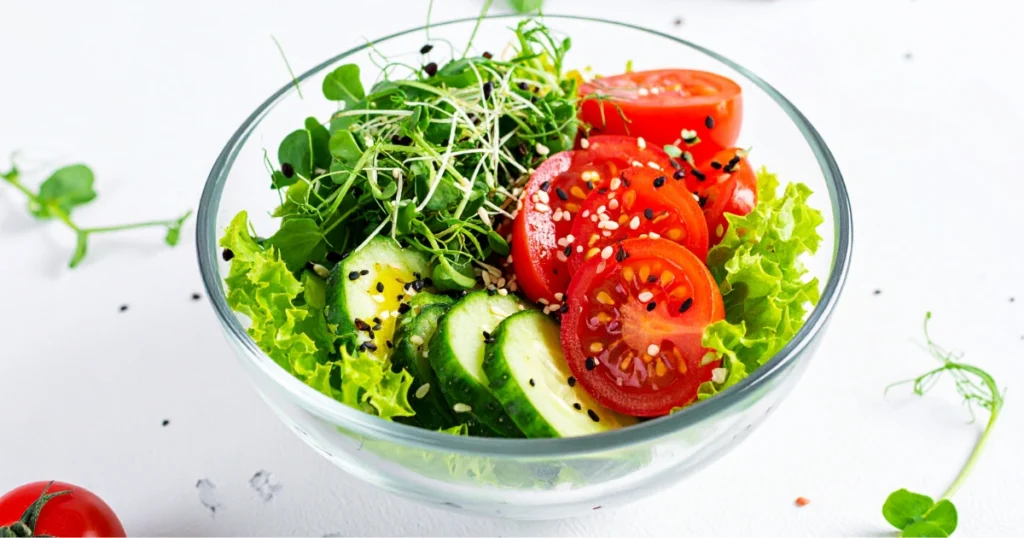
Why Salads Can Support Healthy Weight Loss
A well-balanced salad provides important nutrients while helping control calorie intake. High-fiber vegetables increase fullness, while protein helps reduce hunger between meals.
The best salads for weight management usually include:
- Lean protein sources
- Fresh vegetables
- Healthy fats in moderation
- Light dressings instead of heavy sauces
- Minimal processed ingredients
When properly balanced, salads can become complete meals rather than side dishes.
1. Green Chicken Salad
This simple chicken salad combines lean protein with crisp vegetables and a refreshing lemon dressing.
Ingredients
- 100 g cooked chicken breast
- 50 g lettuce
- 100 g cucumber
- 5 g olive oil
- 1 teaspoon lemon juice
How to Prepare
Slice the chicken breast into bite-sized pieces.
Chop the lettuce and cucumber.
Combine everything in a bowl and drizzle with olive oil and lemon juice.
Why It Works for Weight Loss
Chicken breast is high in protein and low in fat, helping support muscle maintenance while keeping calorie intake controlled.
Cucumbers and lettuce add volume with very few calories.
2. Tuna and Vegetable Salad
Tuna salads are excellent for quick meals because they require very little preparation.
Ingredients
- 100 g tuna
- 100 g tomatoes
- 100 g cucumber
- 20 g red onion
- 5 g olive oil
How to Prepare
Dice the vegetables and combine them with drained tuna.
Add olive oil and mix gently.
Nutritional Benefits
Tuna provides protein and omega-3 fatty acids, which may support heart health and satiety.
Tomatoes and cucumbers contribute hydration and antioxidants.
3. Egg and Avocado Salad
This salad combines healthy fats with protein-rich eggs for a filling meal.
Ingredients
- 1 boiled egg
- 50 g avocado
- 50 g lettuce
- 100 g cucumber
- 40 g plain yogurt
How to Prepare
Slice the boiled egg and avocado.
Mix with lettuce and cucumber.
Use plain yogurt as a light dressing.
Why This Salad Keeps You Full
Avocados contain healthy monounsaturated fats that help increase satiety.
Eggs add high-quality protein and essential nutrients.
4. Light Cabbage Salad
Cabbage salads are affordable, crunchy, and naturally high in fiber.
Ingredients
- 150 g cabbage
- 50 g carrots
- 20 g fresh herbs
- 5 g olive oil
- 1 teaspoon apple cider vinegar
How to Prepare
Shred the cabbage and carrots.
Add chopped herbs and toss with olive oil and vinegar.
Health Benefits
Cabbage is rich in fiber and low in calories, making it ideal for weight-conscious meals.
Carrots provide beta-carotene and natural sweetness.
5. Salmon and Fresh Vegetable Salad
Salmon adds richness and important nutrients to this refreshing salad.
Ingredients
- 70 g salmon
- 50 g lettuce
- 100 g cucumber
- 40 g yogurt
- 1 teaspoon lemon juice
How to Prepare
Flake cooked salmon into pieces.
Mix with lettuce and cucumber.
Combine yogurt and lemon juice for the dressing.
Why Salmon Is a Smart Choice
Salmon contains protein and omega-3 fatty acids that may support overall health and help reduce cravings.
Tips for Building Better Weight Loss Salads
Prioritize Protein
Protein helps control hunger and maintain muscle mass during weight loss.
Good options include:
- Chicken breast
- Tuna
- Eggs
- Salmon
- Greek yogurt
Add Fiber-Rich Vegetables
Fiber slows digestion and improves fullness.
Examples include:
- Lettuce
- Cabbage
- Cucumbers
- Tomatoes
- Carrots
Use Healthy Fats Carefully
Healthy fats are important, but portion control matters.
Use moderate amounts of:
- Olive oil
- Avocado
- Nuts or seeds
Avoid Heavy Dressings
Creamy bottled dressings can quickly increase calories.
Try:
- Lemon juice
- Yogurt-based dressings
- Olive oil and vinegar
Common Mistakes People Make With Diet Salads
Not Eating Enough Protein
A salad made only with vegetables may leave you hungry quickly.
Adding Too Many High-Calorie Toppings
Large amounts of cheese, fried toppings, or sugary dressings can increase calories significantly.
Skipping Healthy Fats Entirely
Healthy fats help improve satiety and nutrient absorption.
Meal Prep Tips for Busy Weeks
Preparing ingredients ahead of time can make healthy eating easier.
Try these strategies:
- Cook chicken or eggs in advance
- Wash and chop vegetables ahead of time
- Store dressings separately
- Portion salads into containers for quick meals
Frequently Asked Questions
Are salads enough for weight loss?
Balanced salads with protein, fiber, and healthy fats can work well as complete meals.
Which protein is best for salad recipes?
Chicken, tuna, eggs, salmon, and Greek yogurt are excellent options.
Can I eat salad every day?
Yes, as long as the ingredients vary enough to provide balanced nutrition.
Is olive oil healthy for weight loss?
In moderate amounts, olive oil can support satiety and provide healthy fats.
What is the best low-calorie salad dressing?
Lemon juice, vinegar-based dressings, and yogurt dressings are lighter alternatives.
Final Thoughts
Healthy salads do not need to be boring or unsatisfying. With the right combination of fresh vegetables, lean proteins, and balanced dressings, salads can become flavorful meals that support weight management and overall health.
These five salad recipes are simple, practical, and easy to customize based on your preferences. Whether you prefer chicken, seafood, or vegetable-based meals, adding nutrient-rich salads to your routine can help create sustainable eating habits that are both enjoyable and effective.