
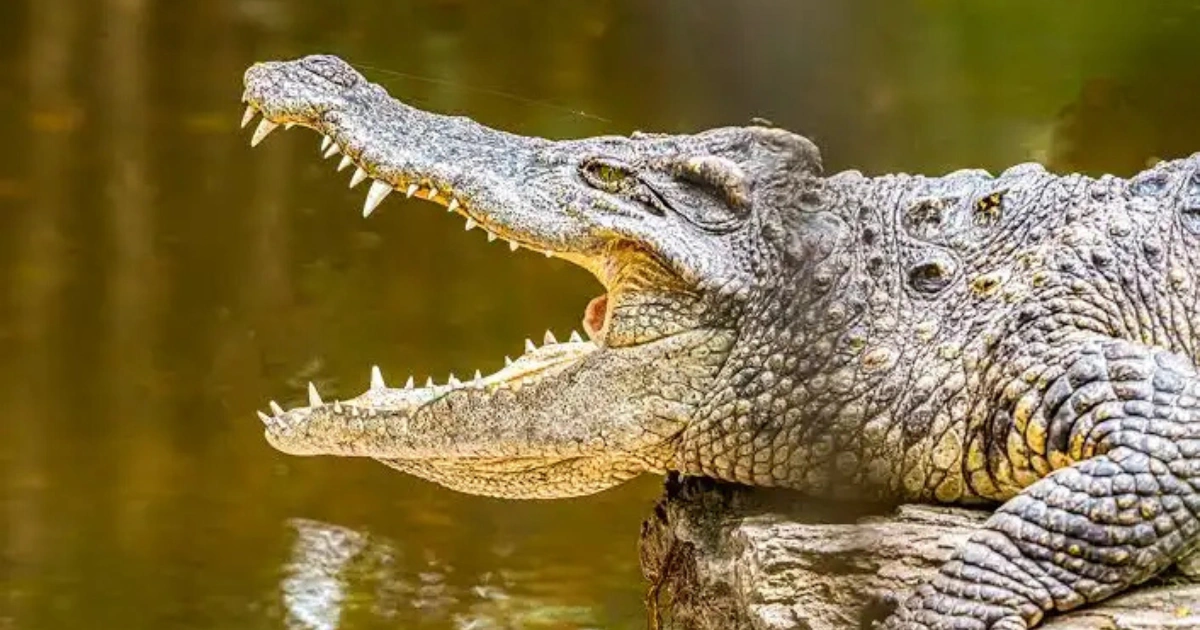
Crocodilians are among the most ancient reptiles still alive today, with a lineage that stretches back over 200 million years. While modern species like alligators and crocodiles are already impressive, their prehistoric relatives were often far larger and more diverse. This guide provides a detailed look at the comparison of modern crocodilians and extinct relatives, highlighting size, habitat, and evolutionary differences.
Understanding these species offers valuable insight into how reptiles have adapted and survived through changing environmental conditions.
What Are Crocodilians?
Crocodilians belong to the order Crocodylia, which includes crocodiles, alligators, caimans, and gharials. These semi-aquatic predators are known for their powerful jaws, armored bodies, and exceptional hunting abilities.
Key features include:
- Strong bite force among the highest in the animal kingdom
- Streamlined bodies for efficient swimming
- Eyes and nostrils positioned for stealth hunting
- Long lifespans and slow growth rates
Modern crocodilians are survivors of a once far more diverse group.
Modern Crocodilians: Key Species
American Alligator (Alligator mississippiensis)
A well-known species native to the southeastern United States and parts of China.
- Typically reaches lengths of 10–15 feet
- Prefers freshwater environments such as swamps and rivers
- Known for a broad snout and dark coloration
American alligators are considered a conservation success story after recovering from near extinction.
Saltwater Crocodile (Crocodylus porosus)
The largest living reptile on Earth.
- Can exceed 20 feet in length
- Found in coastal regions of Southeast Asia and northern Australia
- Highly territorial and capable of long-distance swimming
This species is an apex predator in both marine and freshwater environments.
Extinct Crocodilian Relatives: Giants of the Past
Prehistoric crocodilians were often much larger and occupied a wider range of ecological niches.
Purussaurus Species
Among the largest crocodilians ever discovered.
- Lived in ancient South American river systems
- Estimated to reach over 30 feet in length
- Massive skull and powerful bite force
These predators likely dominated freshwater ecosystems millions of years ago.
Sarcosuchus Species
Known as “SuperCroc,” these ancient reptiles were formidable hunters.
- Lived during the Cretaceous period in Africa
- Long, narrow snouts adapted for catching prey
- Grew to enormous sizes, rivaling modern crocodiles
They are considered some of the most iconic prehistoric crocodilians.
Deinosuchus Species
A massive predator from ancient North America.
- Lived alongside dinosaurs
- Estimated length of up to 35 feet
- Capable of preying on large animals
Fossil evidence suggests they were among the top predators of their time.
Size Comparison: Then vs Now
One of the most striking differences between modern crocodilians and extinct relatives is size.
- Modern species: Typically 10–20 feet
- Extinct giants: Often exceeded 30 feet
- Fossil species had bulkier builds and larger skulls
This size difference reflects changes in climate, prey availability, and ecosystem structure over millions of years.
Habitat Differences
Modern Habitats
Today’s crocodilians are found in:
- Freshwater rivers and lakes
- Swamps and wetlands
- Coastal estuaries and mangroves
They are primarily restricted to tropical and subtropical regions.
Ancient Habitats
Extinct crocodilians lived in a broader range of environments.
- Large river systems and floodplains
- Ancient inland seas
- Diverse ecosystems across multiple continents
Fossil records show they were more geographically widespread than modern species.
Evolutionary Adaptations
Crocodilians have undergone significant evolutionary changes.
Survival Traits
- Efficient metabolism suited for low-energy lifestyles
- Ability to remain motionless for long periods
- Strong immune systems
These traits contributed to their survival through mass extinction events.
Changes Over Time
- Reduction in average size
- Specialization in fewer ecological niches
- Adaptation to modern climate conditions
Evolution has shaped crocodilians into the efficient predators we see today.
Why Extinct Crocodilians Were Larger
Several factors contributed to the massive size of prehistoric species.
- Warmer global climates supported larger reptiles
- Abundant prey allowed for growth
- Less competition from mammals in certain ecosystems
These conditions created an environment where giant predators could thrive.
Importance of Fossil Discoveries
Fossils provide critical insight into the history of crocodilians.
- Reveal evolutionary relationships
- Help reconstruct ancient ecosystems
- Offer clues about climate and environmental changes
Each discovery adds to our understanding of how life on Earth has evolved.
FAQ About Crocodilians and Their Extinct Relatives
What is the largest crocodilian ever recorded?
Species like Deinosuchus and Purussaurus are among the largest, with estimates exceeding 30 feet.
Are modern crocodiles descendants of these giant species?
They share common ancestors but evolved separately over millions of years.
Why did giant crocodilians go extinct?
Changes in climate, habitat, and competition likely contributed to their extinction.
Are crocodilians still evolving today?
Yes, but at a slow rate, with adaptations focused on survival in current environments.
Where are most crocodilian fossils found?
Fossils have been discovered in Africa, North America, and South America.
Internal Linking Suggestions
For related content on secretsofthegreengarden.com, consider linking to:
- “Fascinating Facts About Reptiles You Should Know”
- “How Animals Adapt to Extreme Environments”
- “Understanding Ancient Wildlife and Evolution”
These topics complement the study of prehistoric and modern animals.
External Resources for Further Reading
For accurate and authoritative information, explore:
- Smithsonian National Museum of Natural History: https://naturalhistory.si.edu
- U.S. Geological Survey fossil resources: https://www.usgs.gov
- Natural History Museum (UK): https://www.nhm.ac.uk
Conclusion
The comparison of modern crocodilians and extinct relatives reveals a fascinating story of survival, adaptation, and transformation. While today’s crocodiles and alligators are powerful predators, their prehistoric ancestors were even more imposing, dominating ancient ecosystems.
By studying these species, we gain a deeper understanding of evolution and the forces that shape life on Earth.