

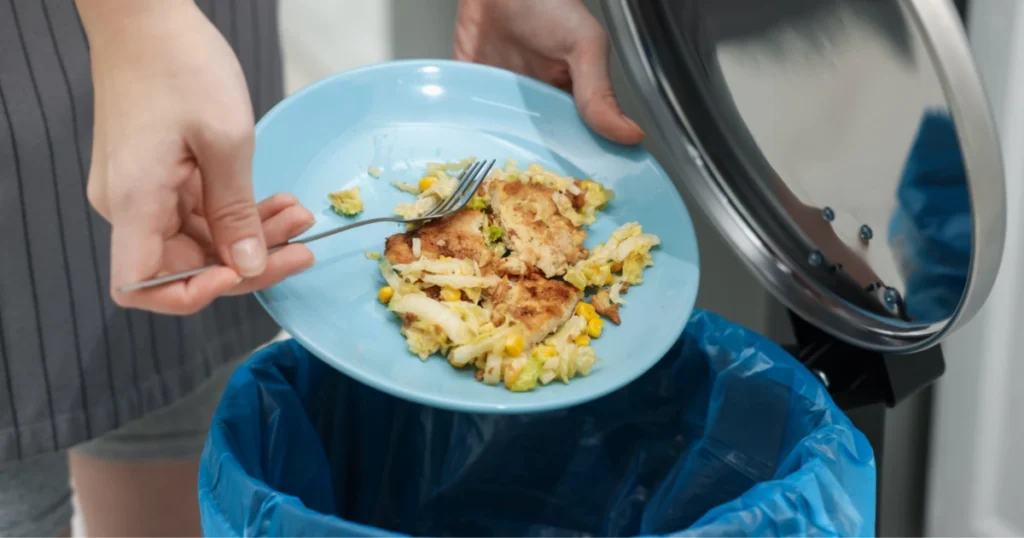
Reducing kitchen waste not only benefits the environment but can also enhance your cooking by adding flavor and nutrients from parts of food that are often discarded. Many everyday ingredients contain concentrated compounds that can transform soups, sauces, and dishes. By understanding how to use these eight commonly overlooked scraps, you can elevate your meals while minimizing food waste.
1. Parmesan Rind: Umami Powerhouse
Parmesan cheese rinds are packed with flavor that develops over time. Rather than tossing them, simmer rinds in soups, stews, or broths to extract their concentrated umami, resulting in richer and more complex dishes. This slow infusion releases proteins and compounds that enhance the depth of your cooking without added salt.
Tip: Store rinds in the freezer if not used immediately. Simply remove and drop them into simmering liquids for maximum impact.
2. Citrus Zest: Flavor Concentration
The zest of citrus fruits, such as lemons, limes, and oranges, contains essential oils that are far more potent than the juice alone. Grated zest can be used in baking, dressings, or sauces to impart bright, aromatic flavors that juice alone cannot achieve.
Pro Tip: Use a microplane to finely grate zest without including the bitter white pith. Freeze extra zest in an airtight bag to preserve its aroma for future use.
3. Watermelon Rind: Pickled or Pureed
Watermelon rind is an often-overlooked part of the fruit that can be pickled to create a tangy and crunchy condiment. Pickled rinds add texture and flavor to salads, sandwiches, and charcuterie boards. They can also be blended into smoothies for subtle sweetness and fiber.
Tip: Remove the outer green skin before pickling to avoid bitterness, and combine with sugar, vinegar, and spices for a quick pickling solution.
4. Broccoli Stems: Add Crunch and Nutrition
Broccoli stems are just as nutritious as florets but are often discarded. When peeled and sliced, stems have a tender texture and subtle sweetness, making them perfect for stir-fries, soups, and purees. Using stems can extend your vegetable supply and reduce waste.
Cooking Tip: Slice stems thinly for quick-cooking applications or chop into small pieces for soups and stock.
5. Corn Cobs: Sweet Corn Broth
After removing kernels, the remaining corn cobs can be simmered to make a naturally sweet broth. This corn stock can serve as a base for soups, risottos, and sauces, providing subtle corn flavor without artificial additives.
Extra Insight: Combine cobs with aromatics like onion, garlic, and herbs for a more robust broth.
6. Avocado Pit: Antioxidant Boost
The pit of an avocado contains polyphenols and antioxidants that can be ground and used as a seasoning. While not typically consumed raw, ground avocado pits can be added to smoothies or baked goods for additional nutritional benefits.
Caution: Always dry and grind the pit thoroughly before use to ensure safety and digestibility.
7. Fennel Fronds: Herbaceous Flavor
The feathery fronds of fennel bulbs are often discarded, but they are aromatic and lightly anise-flavored. Use them as an herb in salads, pestos, or as a garnish for seafood dishes to enhance freshness and complexity.
Storage Tip: Keep fronds in a damp paper towel in the fridge for up to a week, or freeze in small portions.
8. Aquafaba: Egg White Replacement
The liquid from canned beans, especially chickpeas, is known as aquafaba. This viscous liquid can be whipped to create meringues, mousses, or vegan mayonnaise. Aquafaba is a versatile ingredient in plant-based cooking, providing texture and stability similar to egg whites.
Pro Tip: Use cold aquafaba for best results when whipping. Three tablespoons of aquafaba typically replace one egg in most recipes.
How to Incorporate These Scraps
- Stock and Broths: Parmesan rinds, corn cobs, and broccoli stems are perfect for creating rich, flavorful bases.
- Flavor Boosters: Citrus zest, fennel fronds, and avocado pit powder can enhance dishes with minimal effort.
- Baking and Desserts: Aquafaba and citrus zest are excellent for vegan and gluten-free baking.
SEO Keywords to Include Naturally
- Zero-waste cooking
- Kitchen scraps recipes
- Umami ingredients
- Homemade vegetable broth
- Sustainable cooking tips
FAQ Section
Q1: Can all Parmesan rinds be used for cooking?
Yes, but avoid rinds that have mold other than the natural hard surface. Freezing helps preserve them until use.
Q2: How long can I store vegetable scraps for broth?
Most vegetable scraps can be frozen for up to three months. Use airtight bags or containers to maintain flavor.
Q3: Is aquafaba safe to consume?
Yes, aquafaba from canned beans or chickpeas is safe and widely used in vegan cooking.
Q4: Can citrus zest be frozen?
Yes, freezing zest in small portions preserves flavor for several months.
Q5: How do I use watermelon rind in savory dishes?
Peel the outer skin, then slice or pickle. It can be added to salads, stews, or as a crunchy side.