
Introduction
Snake plants (Dracaena trifasciata, formerly Sansevieria trifasciata) are among the easiest houseplants to grow. Their upright leaves, ability to tolerate low light, and drought resistance make them a favorite for beginners and experienced plant lovers alike.
Despite their reputation for being nearly indestructible, snake plants can still develop problems when their growing conditions aren’t right. The good news is that they usually give clear visual clues before serious damage occurs.
Learning to recognize the difference between a healthy and an unhealthy snake plant allows you to correct small issues before they become major ones. Firm leaves, vibrant color, and steady growth are all signs that your plant is thriving, while yellowing, soft leaves, or brown tips often indicate that something in its environment needs adjustment.
What a Healthy Snake Plant Looks Like
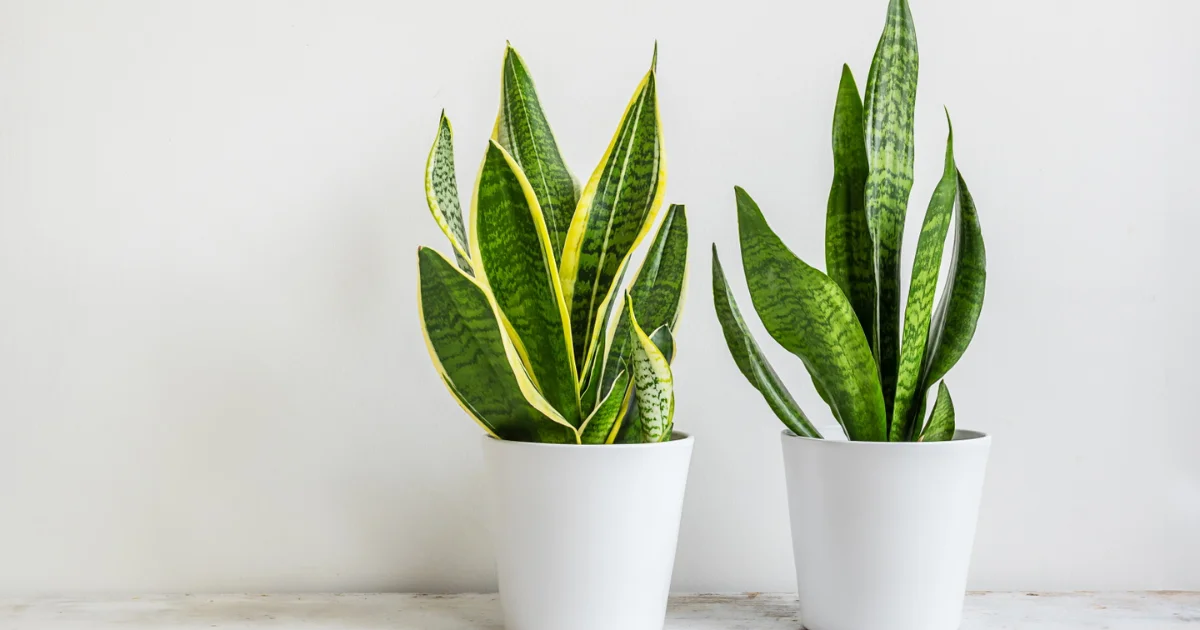
A healthy snake plant has a strong, upright appearance with leaves that feel firm and rigid when gently touched.
Look for these characteristics:
- Upright, sturdy leaves.
- Rich green coloring with clear variegation (if the variety has it).
- Firm, dry leaf bases.
- Smooth leaf surfaces without wrinkles.
- Occasional new shoots emerging from the soil.
- Healthy white or orange roots that are firm rather than mushy.
Growth is naturally slow, especially indoors, so don’t expect rapid changes. Even producing a few new leaves each growing season is a sign that the plant is doing well.
Common Signs of an Unhealthy Snake Plant
Yellow Leaves
Yellow leaves are one of the most common warning signs.
Possible causes include:
- Overwatering.
- Poor drainage.
- Root rot.
- Natural aging of older leaves.
If several leaves turn yellow at once, excessive moisture is often the first thing to investigate.
Soft or Mushy Leaves
Healthy leaves should feel firm.
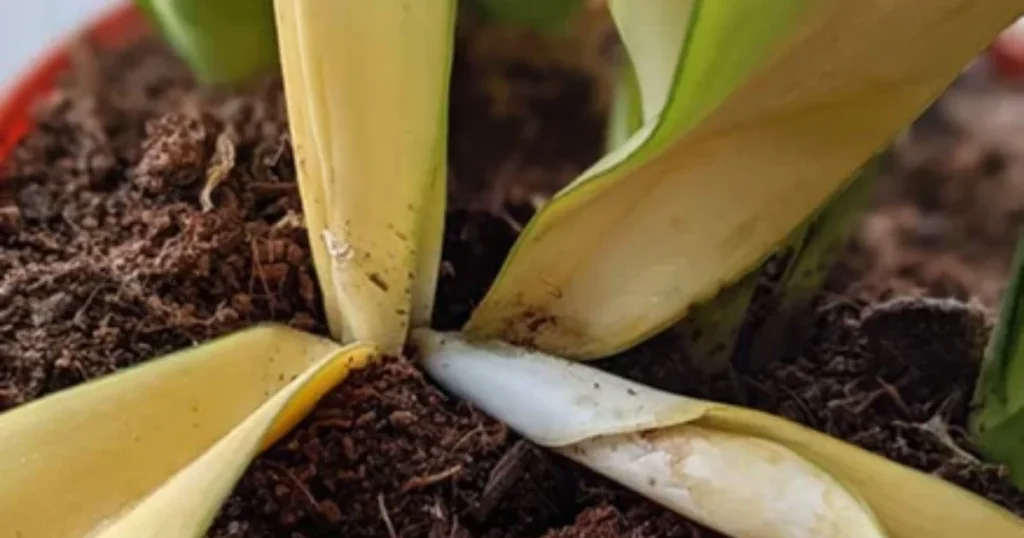
Soft, collapsing, or mushy leaves usually indicate that excess moisture has damaged the roots or the base of the plant.
If left untreated, the affected tissue may eventually rot.
Brown Leaf Tips
Brown tips are often caused by:
- Inconsistent watering.
- Very dry indoor air.
- Mineral buildup from tap water.
- Physical damage.
Small brown tips are usually cosmetic and don’t necessarily indicate serious health problems.
Wrinkled Leaves
Wrinkling generally suggests that the plant is not receiving enough water.
This may happen because:
- The soil has become extremely dry.
- Damaged roots cannot absorb moisture.
- The plant has remained dry for an extended period.
Brown, Soft Bases
If the leaf bases become brown, soft, or emit an unpleasant odor, root or crown rot may already be developing.
Prompt action is needed to prevent the problem from spreading.
The Biggest Cause: Overwatering
Snake plants store water in their thick leaves and rhizomes.
Because of this, they tolerate drought much better than constantly wet soil.
Overwatering often leads to:
- Root rot.
- Yellow leaves.
- Mushy stems.
- Leaf collapse.
Always allow the potting mix to dry thoroughly before watering again.
Light Requirements
Snake plants adapt to many light conditions.
They grow best in:
- Bright indirect light.
- Filtered sunlight.
- Moderate indoor light.
They also tolerate lower light levels, although growth becomes slower.
Extended exposure to intense afternoon sun may scorch the leaves.
Choosing the Right Soil
Good drainage is essential.
A well-draining potting mix formulated for succulents or cacti works well because it allows excess water to escape quickly.
Heavy soils that remain wet increase the risk of root rot.
Pot Selection
Containers should have drainage holes.
Without drainage, water accumulates around the roots, greatly increasing the likelihood of disease.
Terracotta pots are especially useful because they allow moisture to evaporate more readily than plastic containers.
Watering Correctly
Rather than watering on a fixed schedule, check the soil first.
Water only when the potting mix has dried several inches below the surface.
During winter, snake plants usually require significantly less water because growth slows naturally.
Fertilizing
Snake plants need relatively little fertilizer.
A balanced houseplant fertilizer applied occasionally during the active growing season is usually sufficient.
Avoid excessive feeding, which may encourage weak growth.
Cleaning the Leaves
Dust can accumulate on the broad leaf surfaces over time.
Occasionally wipe the leaves gently with a damp cloth.
This improves appearance and allows the leaves to receive light more efficiently.
Repotting
Snake plants generally prefer being slightly root-bound.
Repot only when:
- Roots completely fill the container.
- Rhizomes begin pushing against the pot.
- Growth slows because of overcrowding.
Choose a container only slightly larger than the previous one.
Practical Tips
- Let the soil dry before watering.
- Grow in a pot with drainage holes.
- Use well-draining succulent soil.
- Place the plant in bright, indirect light whenever possible.
- Remove damaged leaves with clean pruning shears.
- Inspect the roots if yellowing continues despite correct watering.
Common Mistakes
Watering Too Frequently
This is the leading cause of snake plant problems.
Growing in Heavy Soil
Poor drainage keeps roots wet for too long.
Using Pots Without Drainage
Standing water quickly leads to root damage.
Assuming Every Yellow Leaf Is Normal
While older leaves occasionally age naturally, multiple yellow leaves usually indicate a care issue.
Ignoring Soft Leaves
Mushy leaves often signal rot and should be addressed promptly.
Frequently Asked Questions
How do I know if my snake plant is healthy?
Healthy snake plants have upright, firm leaves, rich green color, dry leaf bases, and occasional new growth.
Why are my snake plant’s leaves turning yellow?
Overwatering is the most common cause, although poor drainage and natural aging of older leaves may also contribute.
Can a snake plant recover from overwatering?
Yes. If root rot has not become severe, allowing the soil to dry, trimming damaged roots, and repotting into fresh, well-draining soil often helps the plant recover.
Should I cut off damaged leaves?
Yes. Remove severely damaged or rotting leaves with clean, sharp pruning tools to improve appearance and reduce the spread of rot.
How often should I water a snake plant?
There is no universal schedule. Water only after the potting mix has dried thoroughly, which may take several weeks depending on the season, temperature, and light levels.
Conclusion
A healthy snake plant is remarkably easy to recognize once you know what to look for. Firm, upright leaves, vibrant green color, and steady new growth all indicate that the plant is thriving. When yellowing, soft leaves, brown tips, or wrinkling begin to appear, the plant is signaling that its growing conditions need attention.
In most cases, the solution is simple: improve drainage, adjust watering habits, and provide appropriate light. Because snake plants are resilient, correcting these issues early often allows them to recover and continue growing for many years. The best approach is not frequent intervention but careful observation—letting the plant’s appearance guide your care rather than following a rigid schedule.
Internal Linking
Learn how to identify common Monstera leaf problems:
https://secretsofthegreengarden.com/monstera-leaf-problems-at-a-glance/
Discover how heat stress affects indoor and outdoor plants:
https://secretsofthegreengarden.com/heat-stress-in-plants/
Improve your potting setup with a dedicated gardening workspace:
https://secretsofthegreengarden.com/potting-bench-guide/
Learn how proper watering methods protect plant roots:
https://secretsofthegreengarden.com/olla-irrigation-clay-pot-watering/
Recommended External Sources
- Royal Horticultural Society (RHS): https://www.rhs.org.uk
- Missouri Botanical Garden: https://www.missouribotanicalgarden.org
- University of Florida IFAS Extension: https://gardeningsolutions.ifas.ufl.edu