
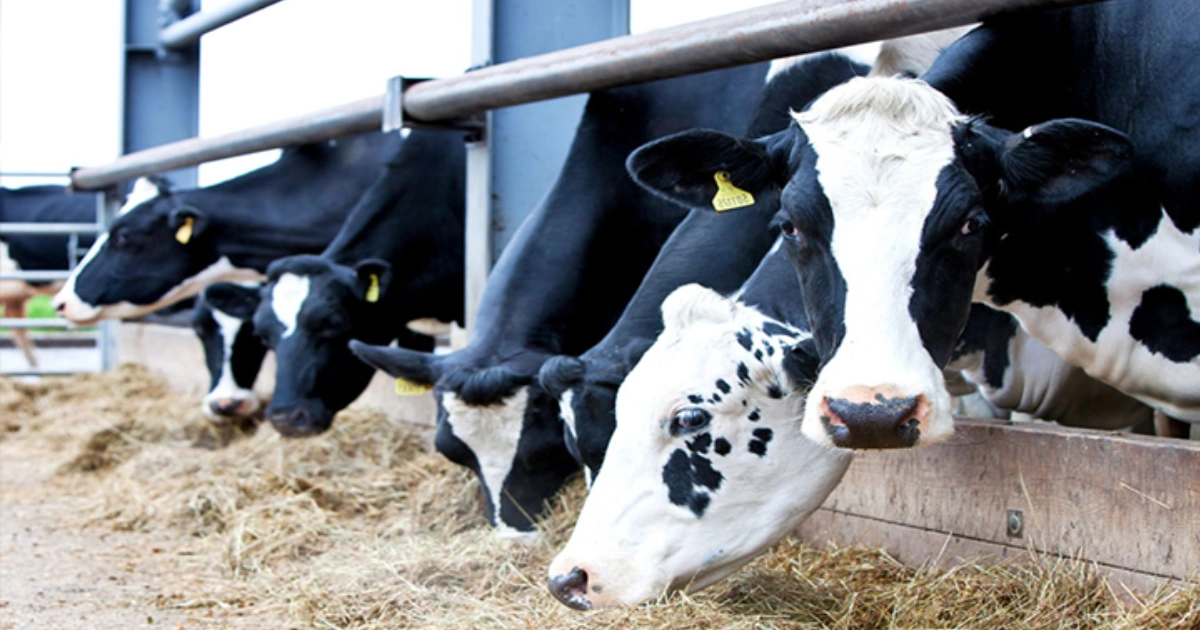
The principle of using every part of an animal has long been part of traditional agriculture and modern food systems. In cattle production, nearly every component of the animal can be transformed into useful materials or products. This approach reduces waste, improves resource efficiency, and supports multiple industries including food, medicine, agriculture, and manufacturing.
Understanding how cattle by-products are used reveals how integrated livestock systems work and why they play a significant role in the global economy.
Primary Keyword
cattle by-products
Why Cattle By-Products Matter
When cattle are processed for food production, only part of the animal becomes meat for consumption. However, many other materials are valuable raw resources used across various industries. These by-products contribute to sustainability by ensuring that fewer resources are wasted.
Common industries that rely on cattle by-products include:
- agriculture
- pharmaceuticals
- cosmetics
- textiles
- manufacturing
- pet food production
The efficient use of cattle by-products helps maximize the value of livestock while reducing environmental impact.
According to research from the United States Department of Agriculture (USDA), by-product utilization is an essential part of modern livestock systems.
https://www.usda.gov
Hide and Hair: Valuable Materials for Leather and Industrial Products
One of the most widely known cattle by-products comes from the animal’s hide and hair. These materials are used to create durable goods and industrial products.
Key products made from hide and hair
- Leather goods
Cattle hide is processed into leather used for shoes, belts, jackets, bags, furniture upholstery, and saddles. - Glue and adhesives
Collagen extracted from hides can be processed into strong adhesives used in woodworking and manufacturing. - Industrial fibers and hair products
Animal hair may be used in brushes, insulation materials, and specialty textiles.
The leather industry remains one of the most significant markets for cattle hides worldwide.
For further details on leather production and livestock resources, the Food and Agriculture Organization of the United Nations (FAO) provides extensive research:
https://www.fao.org
Blood and Sinews: Industrial and Agricultural Applications
Blood and connective tissues are also important cattle by-products. These materials are rich in proteins and minerals, making them valuable for several industries.
Common uses of blood and sinew materials
- Fertilizers
Blood meal is used as a nitrogen-rich organic fertilizer that supports plant growth. - Adhesives and industrial binders
Blood proteins can be processed into adhesives used in manufacturing. - Soap and cleaning products
Certain fats and proteins contribute to industrial soap production. - Medical and pharmaceutical ingredients
Some compounds derived from animal tissues are used in medicines and laboratory research.
Blood-derived materials can also be used in specialized manufacturing processes where protein-based binders are needed.
More scientific insights about livestock processing can be found through the National Agricultural Library:
https://www.nal.usda.gov
Internal Organs: Important Resources for Food and Medicine
Internal organs provide a wide range of useful materials beyond direct human consumption. Many industries depend on compounds extracted from organs.
Key uses of cattle internal organs
- Sausage casings
Natural casings are often made from animal intestines. - Enzymes used in food production
Certain digestive enzymes are used in cheese making and food processing. - Pharmaceutical ingredients
Some hormones, enzymes, and nutrients used in medicine originate from livestock organs. - Nutritional supplements
Vitamins and biological compounds can be derived from animal tissues.
These materials support important sectors such as food production, biotechnology, and healthcare.
Bones: Raw Materials for Many Products
Bones are another highly valuable cattle by-product. They contain minerals and collagen that can be processed into useful materials.
Common products made from cattle bones
- Gelatin
Gelatin is widely used in food products, desserts, pharmaceuticals, and cosmetics. - Bone meal fertilizer
Ground bones provide phosphorus and calcium for plant growth. - Pet food ingredients
Bone meal and marrow are commonly included in pet nutrition. - Craft and instrument parts
Historically, bones have been used to make buttons, musical instrument components, and decorative items.
Because bones are rich in minerals, they are particularly valuable for agricultural and nutritional applications.
Sustainability and Whole-Animal Utilization
The concept of whole-animal utilization helps improve sustainability in livestock production. By ensuring that every part of the animal is used effectively, industries can reduce waste and create additional economic value.
Benefits of this approach include:
- reducing landfill waste
- improving agricultural efficiency
- supporting multiple manufacturing industries
- maximizing the economic value of livestock
Many traditional cultures have long practiced whole-animal use, and modern industries continue to expand these applications with new technologies.
Internal Linking Suggestions
For readers interested in sustainable farming and livestock practices, the following articles on secretsofthegreengarden.com could provide additional value:
- How to Start a Sustainable Backyard Farm
- Natural Ways to Improve Soil Fertility in Your Garden
- Beginner’s Guide to Raising Chickens for Eggs
These topics connect closely with livestock management and agricultural sustainability.
Frequently Asked Questions
What are cattle by-products?
Cattle by-products are materials obtained from parts of the animal that are not used as primary meat products. These materials are processed into goods used in agriculture, medicine, manufacturing, and food production.
Are cattle by-products important for sustainability?
Yes. Utilizing by-products helps reduce waste and ensures that more of the animal is used efficiently. This contributes to sustainable livestock production.
What products are made from cattle bones?
Cattle bones are used to produce gelatin, bone meal fertilizer, pet food ingredients, and sometimes craft materials or instrument components.
How are animal organs used in industry?
Animal organs can provide enzymes, hormones, and biological compounds used in pharmaceuticals, food processing, and nutritional supplements.
Why is leather made from cattle hide?
Cattle hide is strong, flexible, and durable, making it ideal for leather production. Leather goods include shoes, bags, belts, furniture upholstery, and many other products.
Conclusion
Cattle by-products demonstrate how modern agriculture uses resources efficiently by transforming nearly every part of the animal into valuable materials. From leather and fertilizers to pharmaceuticals and food ingredients, these by-products support a wide range of industries.
Understanding how cattle by-products are used helps illustrate the complexity of livestock systems and the importance of sustainable resource management in agriculture.