
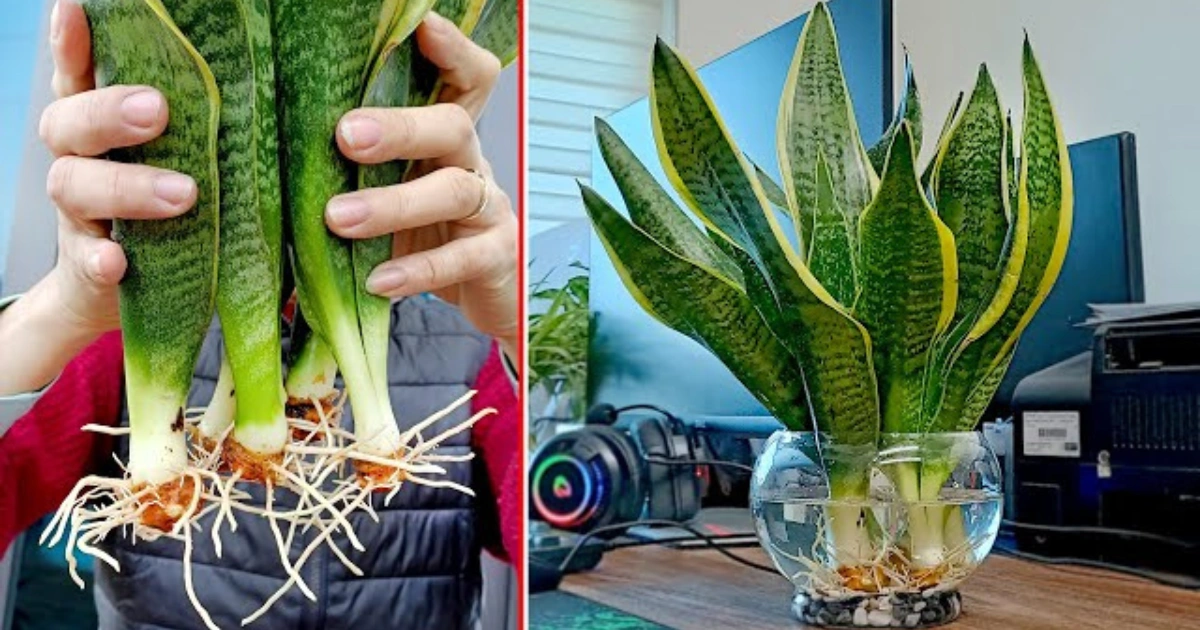
Snake plants are widely known for their resilience, architectural leaves, and ability to tolerate neglect. What many indoor gardeners do not realize is that these plants are also capable of producing flowers. While snake plant blooming is uncommon indoors, it is absolutely possible when the right conditions are met.
This guide explains how snake plants flower, why blooms are rare, and what you can do to increase the chances of seeing this surprising event in your own home. Whether you grow snake plants for their low-maintenance appeal or their air-purifying reputation, understanding their flowering cycle adds a new layer of appreciation.
Understanding Snake Plant Blooming
Snake plants, botanically classified as Dracaena trifasciata, originate from arid regions of West Africa. In their natural habitat, they experience bright light, dry soil, and periods of mild stress. Flowering is a response to these environmental cues rather than a sign of lush growth.
Indoors, snake plant blooming typically occurs when the plant is mature, slightly stressed, and growing in stable conditions. Young plants rarely flower, and even well-established plants may bloom only once every few years.
What Snake Plant Flowers Look Like
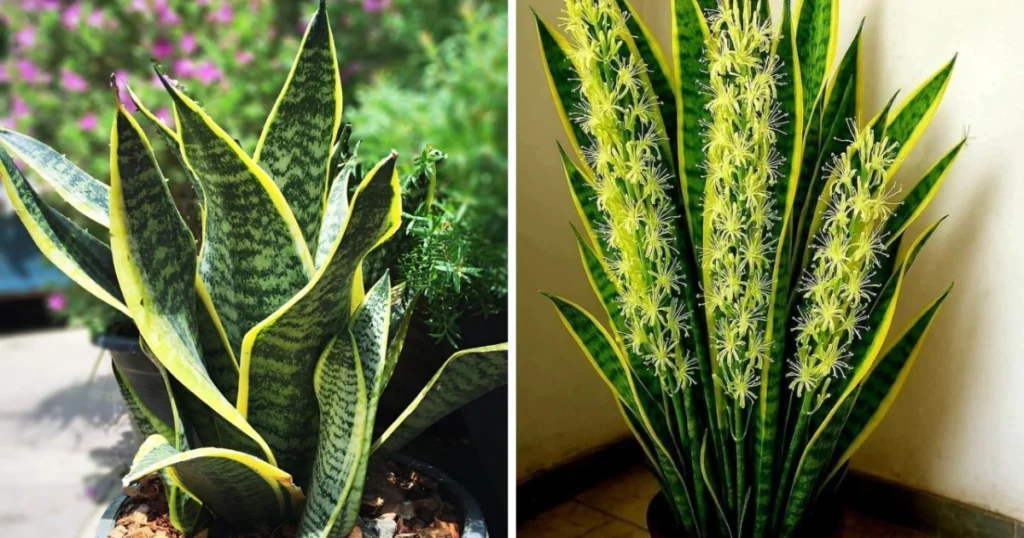
When a snake plant blooms, it sends up a tall flower stalk from the base of the plant. This stalk can reach two to three feet in height and holds clusters of narrow, tubular blossoms.
The flowers are usually white, cream, or pale green, and they open gradually over several days. Their appearance contrasts sharply with the stiff, upright leaves most people associate with snake plants.
One of the most distinctive features of snake plant flowers is their fragrance. The blooms release a strong, sweet scent, especially in the evening hours. This fragrance is produced alongside a sticky nectar that may drip from the flowers.
Why Snake Plants Rarely Bloom Indoors
Snake plants are survivors. They thrive in low light, tolerate inconsistent watering, and grow slowly. While these traits make them ideal houseplants, they also reduce the likelihood of flowering.
Blooming requires a balance of light, warmth, controlled stress, and patience. If conditions are too comfortable or too harsh, the plant focuses on survival rather than reproduction.
How to Encourage Snake Plant Blooming
Provide Bright, Indirect Light
Light is the most important factor in triggering snake plant flowering. While snake plants tolerate low light, they require brighter conditions to bloom.
Place the plant near a window where it receives indirect sunlight for several hours a day. East- or west-facing windows usually work best. Direct midday sun should be avoided, as it can scorch the leaves.
If natural light is limited, a grow light can supplement daylight and help maintain consistent brightness.
Use a Well-Draining Soil Mix
Snake plants are highly sensitive to excess moisture around their roots. Poor drainage prevents oxygen flow and increases the risk of rot, which stops flowering altogether.
Use a fast-draining potting mix, such as one formulated for succulents or cacti. Adding coarse sand or perlite improves drainage and mimics the plant’s natural growing environment.
Water Sparingly and Consistently
Overwatering is the most common reason snake plants fail to bloom. Allow the soil to dry completely between waterings.
During spring and summer, watering every two to three weeks is usually sufficient. In fall and winter, watering may be reduced to once a month or less, depending on indoor humidity and temperature.
Always empty saucers after watering to prevent standing water.
Maintain Warm, Stable Temperatures
Snake plants prefer warm conditions and are sensitive to cold drafts. Ideal temperatures range between 60°F and 75°F.
Avoid placing the plant near exterior doors, air conditioners, or heating vents. Sudden temperature fluctuations can delay or prevent flowering.
Keep the Plant Slightly Root-Bound
A mildly root-bound snake plant is more likely to bloom. When roots fill the pot and space becomes limited, the plant experiences mild stress that can trigger flowering.
Avoid repotting unless roots are severely overcrowded or pushing out of drainage holes. When repotting is necessary, choose a container only slightly larger than the current one.
Fertilize Sparingly
Snake plants do not require frequent feeding. Excess fertilizer promotes leaf growth at the expense of flowers.
Use a balanced houseplant fertilizer diluted to half strength during the growing season, typically once every six to eight weeks. Stop fertilizing in fall and winter.
How Long Snake Plant Flowers Last
Snake plant blooms typically last two to three weeks. Individual flowers open and close gradually, extending the overall flowering period.
Environmental conditions such as light, temperature, and humidity influence bloom longevity. Stable care during flowering helps preserve the flowers for as long as possible.
What to Do After Flowering Ends
Flowering does not harm the plant. Once the blooms fade, cut the flower stalk near the base using clean, sharp scissors.
Resume normal care by maintaining proper light, watering, and temperature. Some snake plants may flower again in future years, especially if conditions remain consistent.
Do Snake Plants Die After Blooming?
Snake plants do not die after flowering. Unlike some monocarpic plants, snake plants continue growing after blooms fade.
In fact, flowering often indicates a healthy, mature plant that has adapted well to its environment.
Common Mistakes That Prevent Blooming
- Overwatering or soggy soil
- Low light exposure
- Frequent repotting
- Excess fertilizer
- Cold drafts or temperature swings
Correcting these issues improves overall plant health and increases the chance of flowering over time.
Benefits of Letting Snake Plants Bloom Naturally
Allowing a snake plant to bloom provides more than visual interest. Flowers indicate a balanced environment and proper care.
The fragrance adds an unexpected sensory element to indoor spaces, and the plant’s natural growth cycle remains uninterrupted.
Frequently Asked Questions
How old does a snake plant need to be to bloom?
Most snake plants need to be several years old before flowering. Mature plants with established root systems are far more likely to bloom than young specimens.
Can all snake plant varieties bloom?
Yes, all varieties of Dracaena trifasciata are capable of flowering, though some cultivars bloom more readily than others.
Does flowering mean my snake plant is stressed?
Mild stress can encourage blooming, but excessive stress is harmful. Balanced conditions with controlled dryness and stable light are ideal.
Is the nectar from snake plant flowers harmful?
The nectar is sticky but not toxic. However, it can attract insects, so indoor plants may benefit from gentle cleaning during flowering.
Can pruning leaves help induce flowering?
No. Removing healthy leaves does not promote blooming and may reduce the plant’s energy reserves.
Suggested Internal Links from secretsofthegreengarden.com
- Snake Plant Care Guide for Low-Light Homes
- Common Houseplant Watering Mistakes and How to Avoid Them
- Best Indoor Plants for Beginners
Trusted External Resources
For further research and science-backed plant care guidance, consult these reputable sources:
- University of Florida IFAS Extension – Indoor Plant Care and Maintenance
- Royal Horticultural Society – Houseplant Growing Advice
- Missouri Botanical Garden – Dracaena Plant Profiles
Final Thoughts
Snake plant blooming is uncommon, but it is not a mystery. With patience, proper light, controlled watering, and minimal interference, these resilient plants can reward attentive gardeners with fragrant, elegant flowers.
Even if your snake plant never blooms, consistent care ensures long-term health and steady growth. When flowering does occur, it serves as confirmation that your plant is thriving in the environment you’ve created.