
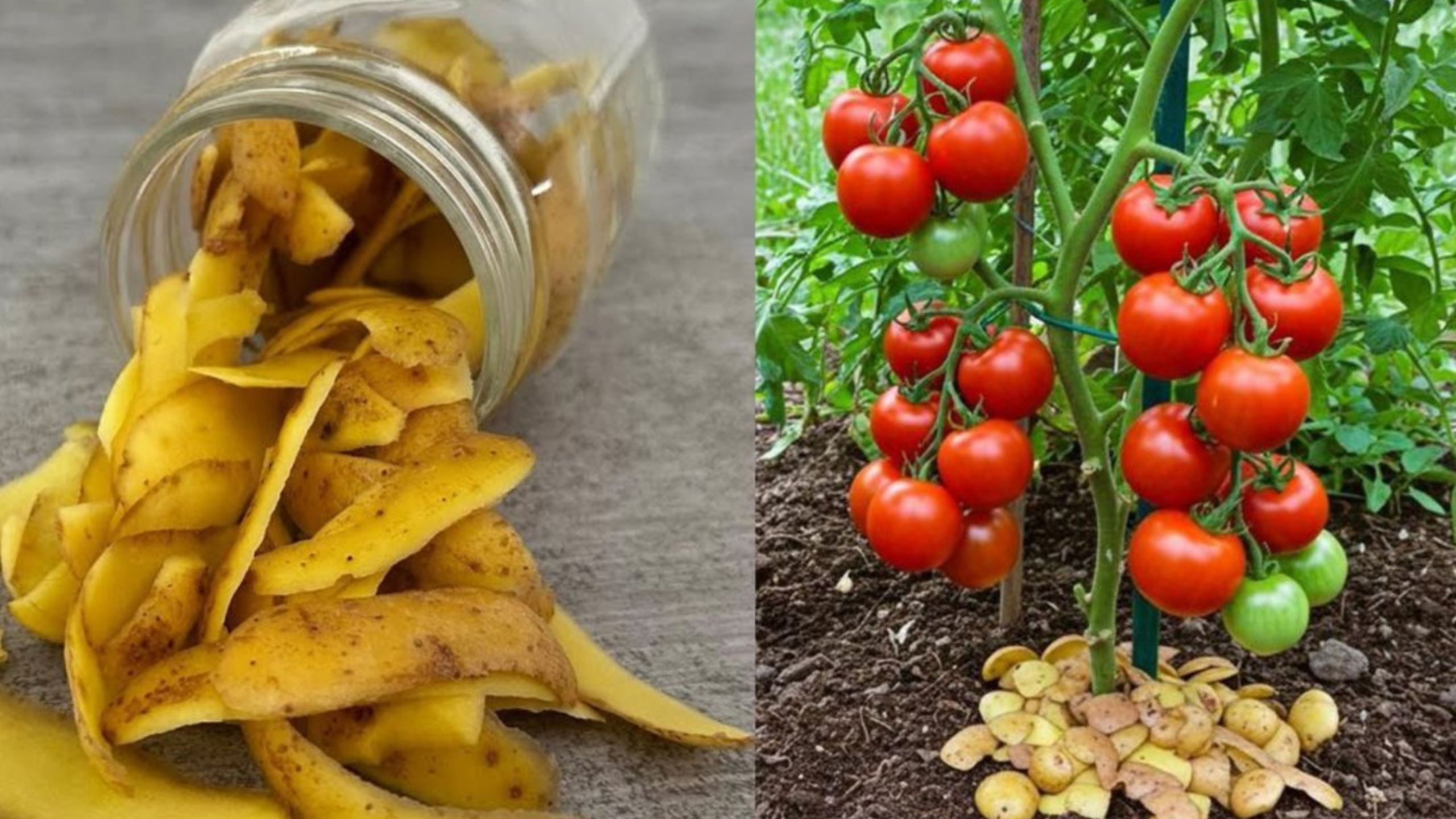
1. Add Them to Your Compost Heap
Potato peels are a fantastic addition to your compost because they’re rich in nutrients and decompose quickly. They contain organic matter that boosts the nitrogen content in your compost, helping to produce rich, dark, nutrient-dense soil that your plants will love.
Tip: Be cautious if your potato peels are green or sprouted. These can contain solanine, a natural toxin that’s harmful to plants and humans in higher concentrations. It’s best to compost only healthy, firm peels without greenish spots.
Why compost with potato peels?
They break down rapidly, adding organic material that improves soil texture, supports microbial activity, and supplies essential nutrients to your garden plants.
2. Use Them as Natural Fertilizer
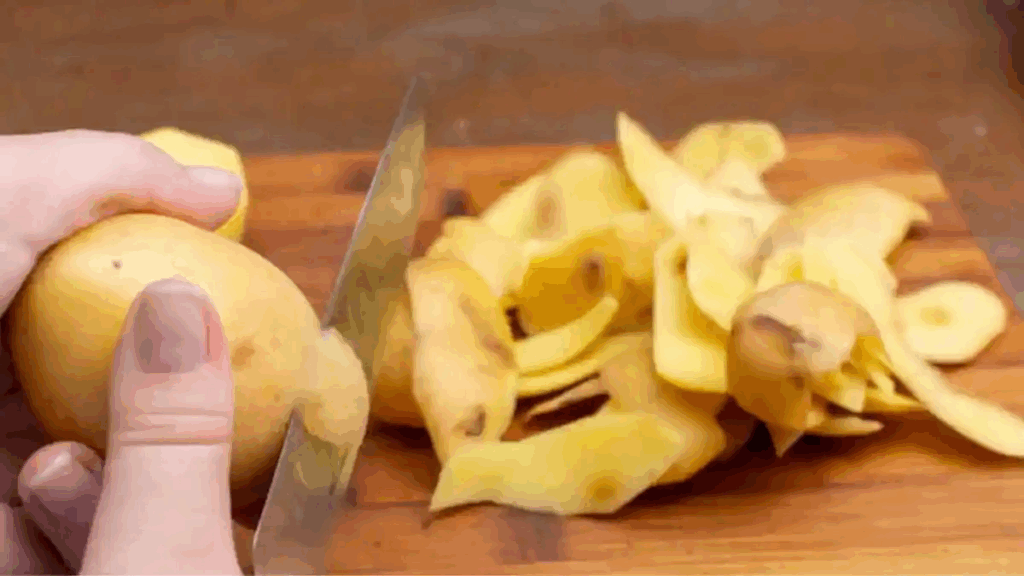
You can turn potato peels into a homemade liquid fertilizer—a simple, cost-effective way to give your plants a nutrient boost.
How?
- Place clean, peeled potatoes in a pot of water.
- Bring to a boil and cook thoroughly.
- Let the water cool down completely.
- Use this nutrient-rich “potato peel water” to water your houseplants or garden beds.
This “potato peel tea” is high in potassium and essential minerals like magnesium and calcium, which support healthy root development, flowering, and fruiting.
Pro Tip: Use this liquid fertilizer occasionally to avoid overfeeding, and always test it on a few plants first.
3. Make Crunchy Homemade Chips
Skip pre-packaged snacks and turn potato peels into your own crispy chips! It’s a fun, sustainable way to reduce food waste and enjoy a delicious treat.
Steps:
- Toss the peels with a little olive oil and your favorite seasonings—salt, pepper, paprika, garlic powder, or chili flakes.
- Spread them evenly on a baking sheet lined with parchment paper.
- Bake at 180°C (350°F) for about 15-20 minutes, turning halfway through, until they’re golden and crispy.
These homemade chips are perfect for a healthy snack with less packaging and waste. Plus, it’s a great activity to involve kids or guests.
4. Feed Your Worms
If you keep a worm compost bin (vermiculture), potato peels are an excellent feed in moderation. They provide worms with carbohydrates and nutrients, helping them thrive and producing rich worm castings.
Important:
Cut the peels into smaller pieces to make them easier for worms to digest. Avoid giving them rotten or moldy peels, as these can harm the worm colony.
Why worms love potato peels?
They contain organic material that helps maintain a balanced, nutrient-rich environment, leading to healthier compost and more robust plants.
5. Shine Your Silver Naturally
Surprisingly, boiling potato peels can help you polish tarnished silverware. Instead of harsh chemicals, use the water from boiled peels to clean your silver.
Method:
- Place silver items in a bowl filled with the cooled boiling water of potato peels.
- Let them soak for about 30 minutes.
- Remove and gently wipe to reveal a subtle, natural shine.
This method is gentle, eco-friendly, and cost-effective, giving your silver a gentle cleaning while recycling kitchen scraps.
6. Repel Garden Pests
Dry potato peels can act as a natural pest deterrent in your garden. Spread them around vulnerable plants or incorporate them into homemade slug or snail traps.
How to use:
- Lay dried peels around the base of your plants to keep certain insects at bay.
- Use chopped or crushed peels in a bait trap to lure and trap snails or slugs.
Note: While effective against some pests, be sure to combine this method with other pest control strategies for best results.
Final Thoughts: Beyond Kitchen Waste
Potato peels are more than just scraps—they’re versatile resources waiting to be recycled. From enriching your garden soil and creating natural fertilizers to making tasty snacks and maintaining household items, the possibilities are endless.
By rethinking how you handle kitchen waste, you contribute positively to the environment, save money, and get creative at the same time. So next time you peel potatoes, consider all the ways you can turn that waste into something wonderful.
Do you already use potato peels in any creative ways? Share your tips or questions below—you might inspire others to begin their own sustainable practices!