
Are you eager to see your snake plant (also called sansevieria or “língua de sogra”) bloom? You’re in the right place! While this resilient and easy-care plant is loved for its striking appearance and hardiness, many plant enthusiasts wonder how to encourage it to produce beautiful flowers. In this article, we’ll explore some lesser-known tricks that can help you transform your plant care routine and bring about that magical flowering moment.
Getting to Know the Snake Plant (Sansevieria)
The sansevieria, affectionately known as the snake plant or “língua de sogra,” is one of the most popular indoor plants worldwide. Its popularity stems from a perfect mix of visual appeal and robustness, making it suitable for even those with minimal gardening experience.
Appearance:
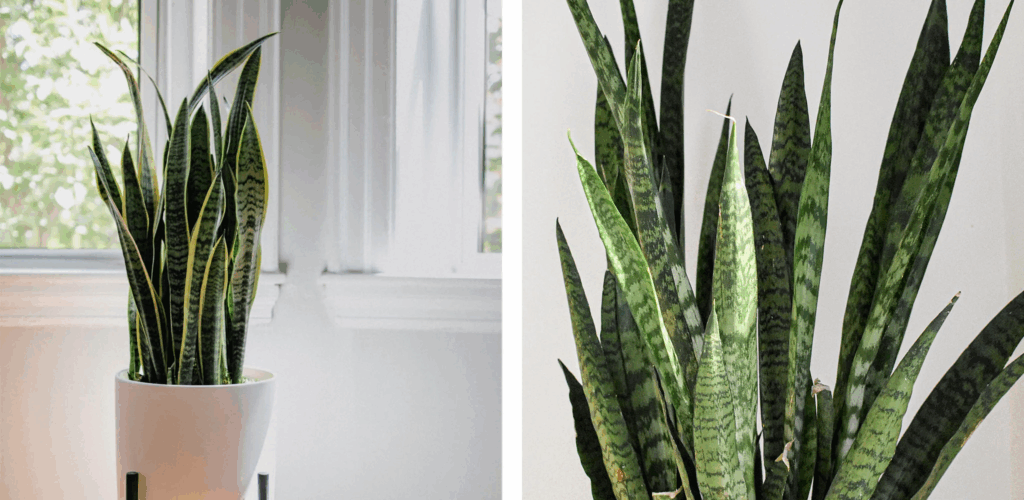
This plant features long, upright, pointed leaves that can range in color from vibrant green to muted gray-green. Many varieties showcase striking yellow or golden edges, giving them an elegant and modern look that complements various decor styles—from contemporary to minimalist.
Why It’s So Popular:
One major reason for the snake plant’s popularity is its incredible adaptability. It thrives in low light, requires minimal watering, and withstands temperature fluctuations. Such resilience makes it a favorite for busy households, offices, or anyone new to gardening.
The Surprise of Florets: Can Your Sansevieria Bloom?
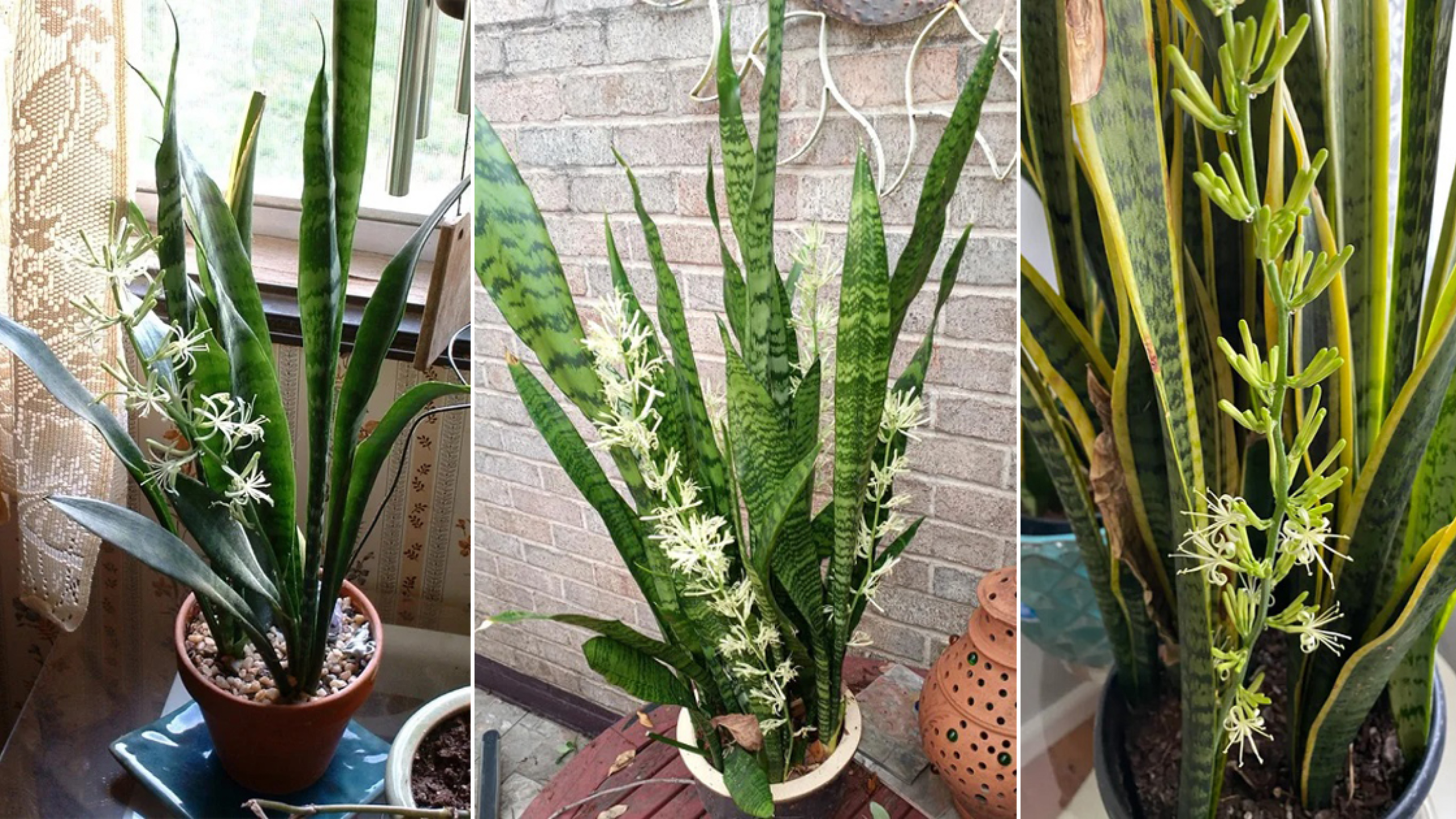
You might not realize it, but your snake plant has the potential to produce flowers. While rare when grown indoors, flowering is totally achievable with the right conditions. When it blooms, the plant reveals exotic, often fragrant flowers that add an unexpected touch of beauty.
The flowers typically emerge from the base of the leaves, sometimes hidden behind the foliage for months. This subtle thing can be a delightful surprise for plant lovers, elevating the aesthetic and adding a sense of accomplishment to your care routine.
How to Encourage Your Snake Plant to Flower
Patience and the right environment are key. Many factors influence whether your snake plant will bloom, but with some adjustments, you can significantly boost its chances.
1. Provide Bright but Indirect Light
Although sansevieria is tolerant of low light, optimal blooming requires a brighter setting. Position your plant near a window with sheer curtains or in a well-lit room, avoiding direct sun that could scorch its leaves.
Why?
More light mimics natural, outdoor conditions, stimulating the plant’s flowering process. Think of it as giving the plant the right ‘nudge’ to flower—if it’s in a dim corner, it’s less likely.
2. Regulate Watering Carefully
Overwatering is one of the biggest mistakes made with snake plants. They thrive in dry soil, and too much water can rot the roots and prevent flowering.
Best Practice:
Water sparingly, roughly once every one to two weeks. Always check if the top inch of soil feels dry before watering again. Less frequent watering mimics natural arid conditions, encouraging the plant to go into flowering mode.
3. Optimize Temperature and Airflow
Your plant prefers temperatures between 15°C and 30°C. Protect it from cold drafts and temperatures below 10°C, which can stress or damage it.
Good air circulation is also beneficial—just avoid placing your snake plant in drafty or overly windy spots. A well-ventilated environment keeps the plant healthy and creates a better chance for flowering.
Soil and Fertilizer: How to Boost Blooming Potential
A well-draining soil mix is essential. Use a blend of regular potting soil, sand, and organic compost or humus to ensure oxygen reaches the roots and excess moisture drains away.
Fertilization Tips:
During active growth periods—spring and summer—apply a fertilizer high in phosphorus once a month. Phosphorus stimulates root and flower development. Be cautious not to overdo it, as excess fertilizer can harm the plant.
Patience Is a Virtue
It’s important to understand that flowering takes time. Many growers report waiting months, sometimes even up to two years, before seeing blooms. The key is consistency: keep up with the care routine, and don’t get discouraged if flowers don’t appear right away.
This patience is worthwhile. The rare and beautiful flowers add a special touch that makes caring for your snake plant even more rewarding.
The End Result: A Resilient and Enchanting Plant
By following these guidelines, you’ll help your snake plant become healthier and more likely to flower. Even in indoor settings, with enough light, proper watering, and patience, this hardy plant can surprise you with its delicate blossoms.
Every flower tells a story of care and perseverance. When your sansevieria finally blooms, it’s a moment of pride and joy that makes all the effort worthwhil