

Have you ever heard of noni juice? This intriguing, tropical drink is derived from the fruit of the Morinda citrifolia tree, which thrives in the volcanic soils of Southeast Asia, particularly in Polynesian regions. Known for its lumpy, yellow exterior resembling a mango, the noni fruit has a distinct and somewhat off-putting smell, often likened to strong cheese. Despite its unusual scent and bitter flavor, noni has been cherished in Polynesian folk medicine for over 2,000 years. Traditionally, it is used to treat a variety of ailments, including constipation, infections, pain, and arthritis.
Today, noni is primarily consumed as a juice blend, renowned for its rich content of antioxidants and potential health benefits. This article will explore everything you need to know about noni juice, from its nutritional content and health benefits to safety considerations.
Nutritional Content of Noni Juice
The nutritional profile of noni juice can vary significantly based on the brand and formulation. A study analyzing 177 different brands of noni juice found that many contain added sweeteners and other fruit juices to mask the noni’s bitter taste and pungent odor.
The most popular noni juice brand on the market is Tahitian Noni Juice, produced by Morinda, Inc. This brand is composed of 89% noni fruit and 11% grape and blueberry juice concentrates. Here’s a breakdown of the nutrients found in 3.5 ounces (100 ml) of Tahitian Noni Juice:
- Calories: 47
- Carbohydrates: 11 grams
- Protein: Less than 1 gram
- Fat: Less than 1 gram
- Sugar: 8 grams
- Vitamin C: 33% of the Reference Daily Intake (RDI)
- Biotin: 17% of the RDI
- Folate: 6% of the RDI
- Magnesium: 4% of the RDI
- Potassium: 3% of the RDI
- Calcium: 3% of the RDI
- Vitamin E: 3% of the RDI
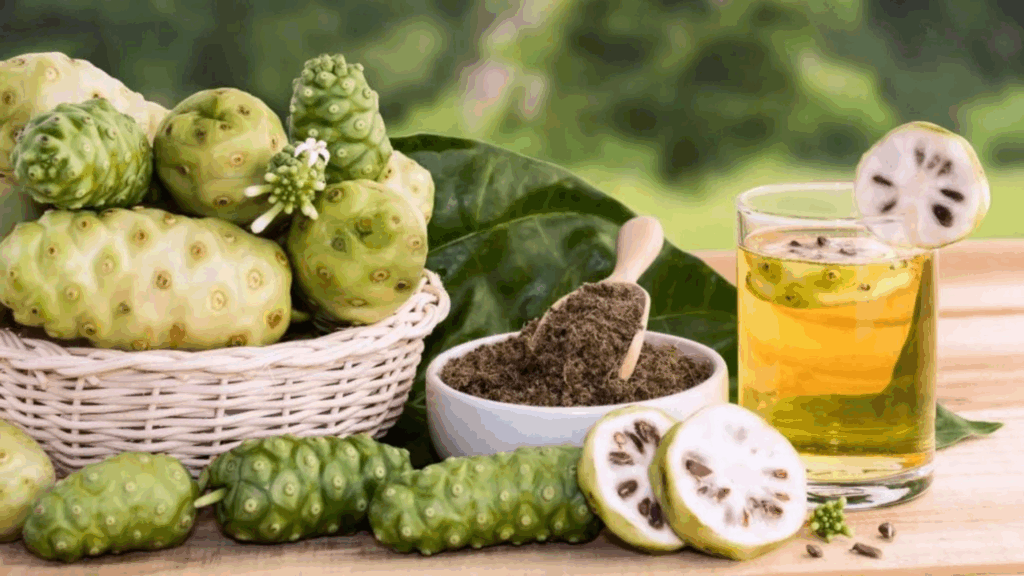
As with most fruit juices, noni juice is primarily carbohydrate-based. However, it shines in its vitamin C content, which is essential for skin and immune health. Additionally, it is a great source of biotin and folate, two B vitamins crucial for energy production and metabolic health.
Rich in Powerful Antioxidants
One of the standout features of noni juice is its rich antioxidant content, which plays a vital role in protecting your body from free radicals—unstable molecules that can cause cellular damage. Maintaining a healthy balance of antioxidants is essential for overall health.
Researchers suggest that many of the health benefits attributed to noni juice are likely due to its robust antioxidant properties. The main antioxidants found in noni juice include:
- Beta carotene
- Iridoids
- Vitamins C and E
Iridoids, in particular, show strong antioxidant activity in laboratory tests, although more research is needed to confirm their effectiveness in humans.
Numerous studies indicate that a diet high in antioxidants—such as those found in noni juice—may help lower the risk of chronic diseases such as heart disease and diabetes.
Potential Health Benefits of Noni Juice
While research on noni juice is still evolving, there are several potential health benefits worth highlighting.
1. May Reduce Cellular Damage from Tobacco Smoke
Noni juice may help mitigate cellular damage caused by tobacco smoke, which is known to generate excessive free radicals leading to oxidative stress. Oxidative stress is linked to various chronic diseases.
In one study involving heavy smokers, participants who consumed 4 ounces (118 ml) of noni juice daily experienced a 30% reduction in common free radicals after just one month. Additionally, two clinical trials found that drinking this amount of noni juice daily reduced levels of cancer-causing chemicals in smokers by approximately 45%.
It’s important to note that while noni juice shows promise, it should not be used as a substitute for quitting smoking altogether.
2. May Support Heart Health in Smokers
Noni juice might promote heart health by lowering cholesterol levels and reducing inflammation. While cholesterol is necessary for various bodily functions, elevated levels can raise the risk of heart disease.
One study found that participants who drank up to 6.4 ounces (188 ml) of noni juice per day for one month experienced a significant reduction in total cholesterol, LDL (bad cholesterol), and inflammatory markers compared to those not consuming it.
However, these results mainly pertain to smokers, so more research is necessary to determine how noni juice affects cholesterol levels in the general population.