
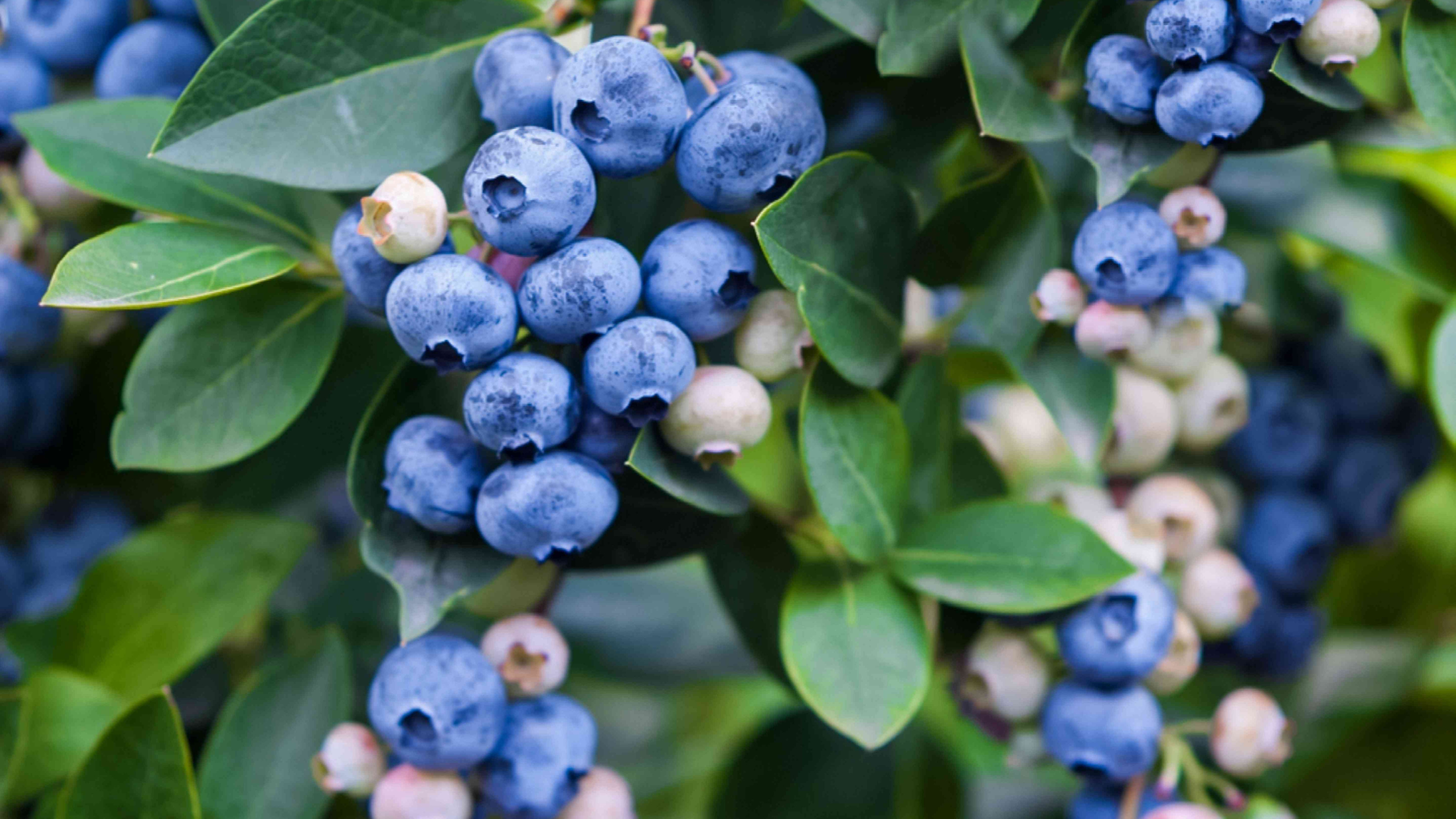
Blueberries are not only a delightful fruit enjoyed during the summer months from June to September, but they are also packed with essential vitamins and minerals while being low in calories. If you wish to successfully plant, nurture, and harvest these nutritious berries, this guide is for you.
Understanding Blueberries and Bilberries
Although both blueberries and bilberries belong to the Vaccinium genus, they represent distinct species. Blueberries typically refer to larger cultivated varieties that grow in clusters, while bilberries (Vaccinium myrtillus), known as European blueberries, grow as low, shrub-like ground cover with smaller, solitary berries. While bilberries are hardier and easier to maintain, their berries are less commonly found in supermarkets due to their wild nature and smaller size. In contrast, commercial blueberries (Vaccinium corymbosum) are widely cultivated for their larger fruits and higher yields, necessitating more care.
Choosing the Right Location and Soil
Blueberries flourish in well-drained, acidic soils with a pH of approximately 4 to 5. European blueberries thrive in semi-shaded or shaded areas, while commercial varieties prefer full sun exposure. These plants not only contribute delicious fruit to our gardens but also provide nutrition and habitat for various wildlife, including birds and beneficial insects. The soil must be light and well-draining, avoiding waterlogged conditions, which blueberries cannot tolerate. Peaty or sandy humic soils are ideal, while limestone and clayey soils should be avoided due to their high pH.
Before planting, it’s wise to check the soil’s pH. If necessary, you can amend the soil with acidic potting mixes or berry-specific soil products to create suitable conditions for growth. Planting in containers is also an option, especially in regions where the native soil conditions are not favorable. In pots, blueberries can be a charming addition to patios or balconies, especially compact varieties like ‘Sunshine Blue’.
Ideal Planting Techniques and Timing
The best times to plant blueberries are either in the spring (March through April) or in the fall (October through November). Planting in the fall allows the roots to establish in warm soil before winter, leading to robust growth in the following spring. When planting, ensure that the blueberry bushes are placed at the same depth they were in their pots and water them thoroughly. While spring planting is possible, it may stress the plant, as it needs to grow roots while also producing leaves and flowers. It’s advisable to pinch off flowers during the first year to help the plant focus its energy on establishing a strong root system.
Blueberries can withstand temperatures as low as -16 °C (60.8 °F), but they are vulnerable to late spring frosts. In colder regions, protective measures should be taken during unexpected frosty nights to prevent damage that could reduce yields.
Fertilization, Care, and Pruning
Wild bilberries are relatively low-maintenance, requiring minimal fertilization and watering, except during prolonged dry spells. A spring application of acidic compost should suffice to maintain soil health. However, care should be taken not to over-fertilize with nitrogen, as it may lead to fungal diseases. On the other hand, cultivated blueberries require more attention due to their higher production needs. A berry fertilizer, often formulated for hydrangeas or rhododendrons, is suitable and should be applied at the time of planting and during the formative phase of the fruit.
Regular watering is essential, particularly during hot periods, as blueberry plants lack root hairs that typically absorb water and nutrients. Utilizing rainwater is beneficial as it generally has a lower lime content, helping maintain the necessary acidic conditions for blueberry health.
Companion Plants and Pest Management
Integrating companion planting can enhance your blueberry garden. Certain herbs and vegetables can nurture the growth of blueberries while simultaneously deterring pests. Plants such as garlic and certain flowers can create a beneficial environment. Be mindful of potential pest invasions, such as aphids and fruit flies, that might affect your berries. Regular inspections and prompt early interventions can keep these nuisances at bay.
Harvesting and Storing Blueberries
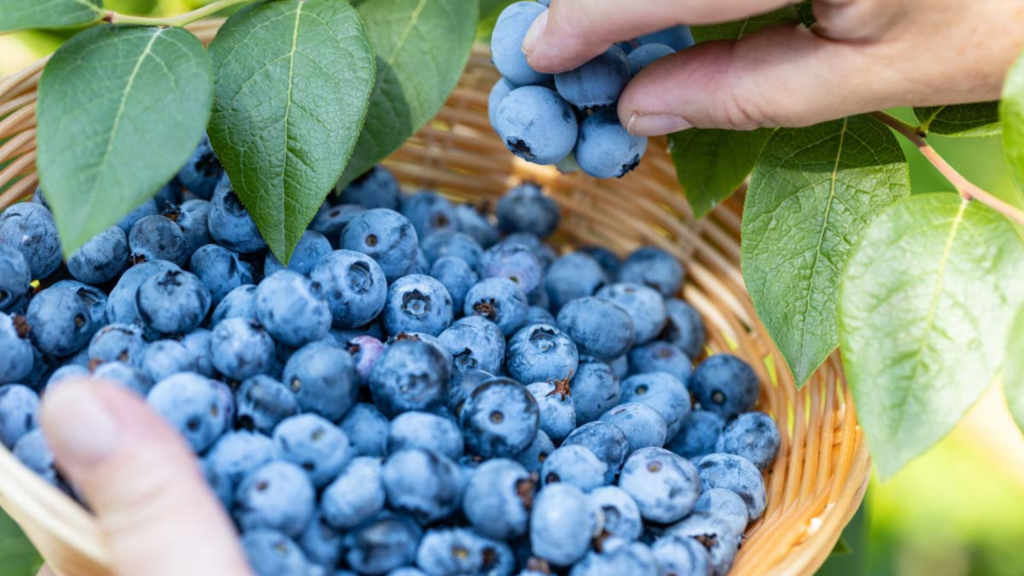
The optimal time for harvesting blueberries is during the peak season when they are fully colored and easy to pluck from the bush. Ripe blueberries should come off with a gentle tug. Store freshly picked blueberries in a cool place to maintain their flavor and nutritional value. They can also be frozen for long-term storage, which preserves their taste and texture for later use in various dishes, smoothies, or pastries.
By following these well-structured guidelines and understanding the needs of your blueberry plants, you can enjoy a bountiful harvest of delicious and healthy fruits throughout the summer season. Happy gardening and may your blueberry patches thrive! 🍇