
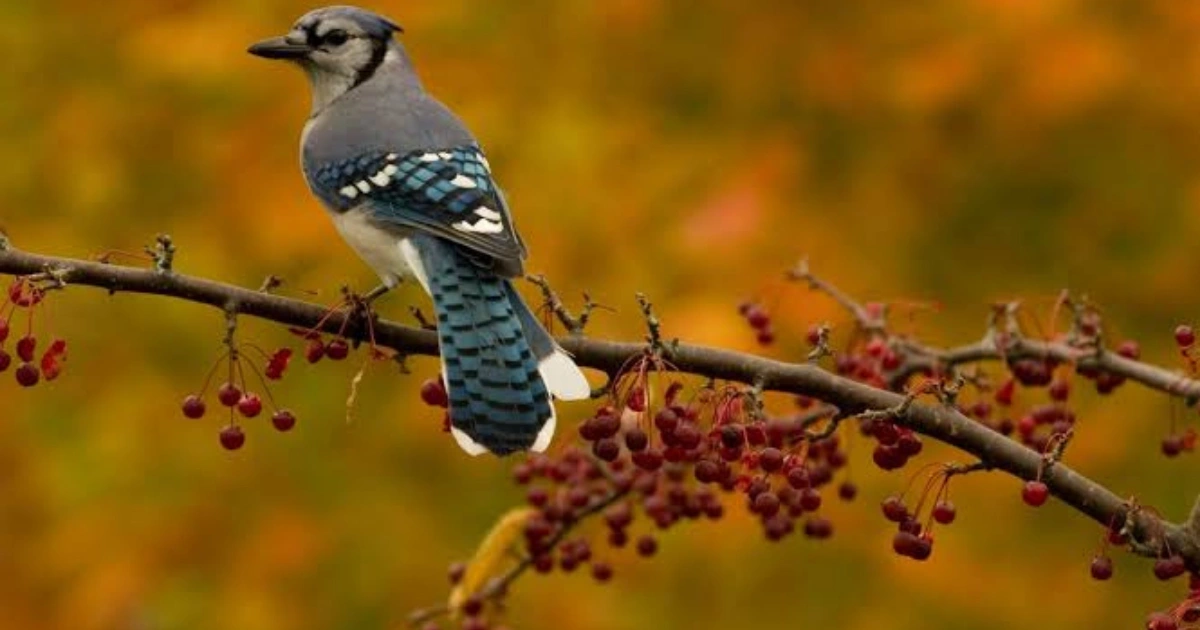
Discover the best native shrubs that provide food, shelter, and year-round habitat for birds during the coldest months.
Winter can be one of the most challenging seasons for wild birds. As temperatures drop and insects disappear, natural food sources become scarce. Native shrubs play a critical role in supporting local bird populations by providing nutritious berries, seeds, nuts, and protective cover when birds need them most.
By planting the right native shrubs, gardeners can create a thriving backyard habitat that attracts a wide variety of birds throughout winter while also supporting local biodiversity. Many of these plants offer multiple benefits, including seasonal beauty, pollinator support, and low-maintenance landscaping.
In this guide, you’ll learn about nine excellent native shrubs that help birds survive the winter months and how to incorporate them into a wildlife-friendly garden.
Why Native Shrubs Are Important for Winter Birds
Native plants have evolved alongside local wildlife for thousands of years. Birds recognize and depend on the fruits, seeds, and shelter these plants provide.
Benefits of planting native shrubs include:
- Reliable winter food sources
- Protection from predators and harsh weather
- Nesting sites during breeding season
- Support for beneficial insects that birds feed on
- Improved biodiversity in residential landscapes
Unlike many ornamental exotic plants, native shrubs often produce fruits that remain available well into winter, making them especially valuable when food becomes limited.
1. Viburnum (Guelder Rose)
Viburnum species are among the most bird-friendly shrubs available. Their bright red berries often persist deep into winter, providing a dependable food source when other fruits have disappeared.
Birds commonly attracted to viburnum include:
- Blackbirds
- Thrushes
- Waxwings
- Robins
In addition to producing berries, viburnum’s dense branching structure offers excellent shelter from cold winds and predators.
2. Rowan (Mountain Ash)
Despite its common name, mountain ash is not a true ash tree. Its clusters of vibrant orange-red berries are highly attractive to birds during late autumn and winter.
Popular bird visitors include:
- Waxwings
- Thrushes
- Finches
- Starlings
Rowan trees and large shrubs can become important feeding stations, especially during harsh winters when berry crops are limited elsewhere.
3. Elderberry (Common Elder)
Elderberry produces abundant clusters of dark purple-black berries that support numerous bird species.
Benefits of elderberry include:
- Heavy fruit production
- Rapid growth
- Wildlife value throughout the year
Birds such as sparrows, blackbirds, and warblers frequently rely on elderberries during migration and winter feeding periods.
4. Dogwood (Cornelian Cherry Dogwood)
Dogwood shrubs provide attractive red fruits that many bird species eagerly consume.
Key advantages include:
- Long-lasting fruit display
- Early spring flowers for pollinators
- Dense cover for small birds
Robins, thrushes, and other fruit-eating birds often visit dogwood shrubs throughout the colder months.
5. Wild Rose (Rose Hips)
Wild roses offer one of nature’s most valuable winter bird foods: rose hips.
Rose hips contain:
- Natural sugars
- Vitamin C
- Energy-rich nutrients
Birds frequently feeding on rose hips include:
- Tits
- Finches
- Thrushes
- Waxwings
The thorny structure of wild rose shrubs also creates safe refuge areas where smaller birds can hide from predators.
6. Hawthorn
Hawthorn is widely regarded as one of the best wildlife plants available for home landscapes.
Why hawthorn stands out:
- Produces abundant red berries known as haws
- Offers dense thorny protection
- Supports insects, pollinators, and birds
Many species, including finches, blackbirds, and fieldfares, depend on hawthorn fruits throughout winter.
7. Juniper
Juniper provides both food and shelter in a single plant.
Its blue berry-like cones are consumed by:
- Cedar waxwings
- Robins
- Thrushes
- Grouse
Evergreen foliage makes juniper especially valuable because it offers year-round protection from snow, wind, and predators.
8. Hazel
Hazel is often overlooked as a bird-supporting shrub, but its nuts provide a rich source of energy during colder months.
Birds that benefit from hazel include:
- Tits
- Nuthatches
- Jays
- Woodpeckers
Hazel also supports numerous insect species, creating additional food opportunities during warmer seasons.
9. Alder Buckthorn
Alder buckthorn produces dark berries that remain attractive to wildlife long after many other fruits have disappeared.
This native shrub provides:
- Winter food resources
- Shelter for nesting birds
- Habitat for beneficial insects
Birds frequently consume the berries during late autumn and winter, helping them maintain energy reserves during periods of food scarcity.
How to Create a Bird-Friendly Winter Garden
Planting a variety of native shrubs creates a more resilient habitat than relying on a single species.
For the best results:
Choose Several Fruiting Species
Different shrubs produce fruit at different times. A mix ensures food remains available throughout the season.
Create Layers of Vegetation
Combine:
- Ground cover plants
- Native shrubs
- Small trees
- Evergreen species
This layered approach provides feeding opportunities and shelter at multiple heights.
Leave Fruits on the Plants
Avoid removing berries, seed heads, and rose hips during autumn cleanup. These natural food sources become critical during winter.
Include Evergreen Cover
Birds need protection from wind, snow, and predators. Evergreens such as juniper offer year-round refuge.
Common Mistakes to Avoid
Many well-intentioned gardeners accidentally reduce habitat value by:
- Pruning berry-producing shrubs too aggressively
- Removing seed heads in autumn
- Choosing invasive ornamental plants over native species
- Clearing dense vegetation that birds use for protection
Allowing some natural growth can dramatically improve wildlife support.
Frequently Asked Questions
What is the best shrub for feeding birds in winter?
Hawthorn, viburnum, and elderberry are among the best options because they produce abundant fruits that persist into winter and attract a wide variety of bird species.
Do birds prefer native shrubs over ornamental shrubs?
In many cases, yes. Native shrubs provide fruits, seeds, and insects that local birds have evolved to use as food sources.
Should I leave berries on shrubs during winter?
Yes. Leaving berries intact provides a valuable natural food supply during periods when other resources are scarce.
Which evergreen shrub is best for winter bird shelter?
Juniper is an excellent choice because it offers dense evergreen cover while also producing food in the form of berry-like cones.
How many native shrubs should I plant?
Planting several species creates a more reliable habitat. A combination of fruiting and evergreen shrubs generally offers the greatest benefit for wildlife.
Conclusion
Native shrubs are among the most effective tools for supporting birds during winter. By planting species such as viburnum, rowan, elderberry, hawthorn, juniper, and hazel, gardeners can provide essential food and shelter when natural resources are limited.
A thoughtfully designed wildlife garden not only helps birds survive the cold season but also creates a healthier, more diverse ecosystem throughout the year. With the right mix of native shrubs, your landscape can become a dependable sanctuary for birds in every season.
SEO Information
Primary Keyword: Native shrubs for birds
Related Keywords:
- Winter bird food plants
- Bird-friendly shrubs
- Native wildlife garden
- Berry-producing shrubs
- Backyard bird habitat
- Winter bird shelter
- Native plants for wildlife
- Garden plants for birds
Internal Linking Suggestions (secretsofthegreengarden.com)
- How to Create a Pollinator-Friendly Garden
- Best Native Plants for Backyard Wildlife
- Why Leaving Seed Heads in Winter Helps Birds and Beneficial Insects
External Linking Suggestions
- National Audubon Society Native Plants Program
- USDA Plant Database for Native Species Information
- The Cornell Lab of Ornithology Bird Habitat Resources
Meta Description: Discover 9 native shrubs for birds that provide berries, nuts, shelter, and critical winter habitat. Learn how to create a wildlife-friendly garden that supports birds all season long.