
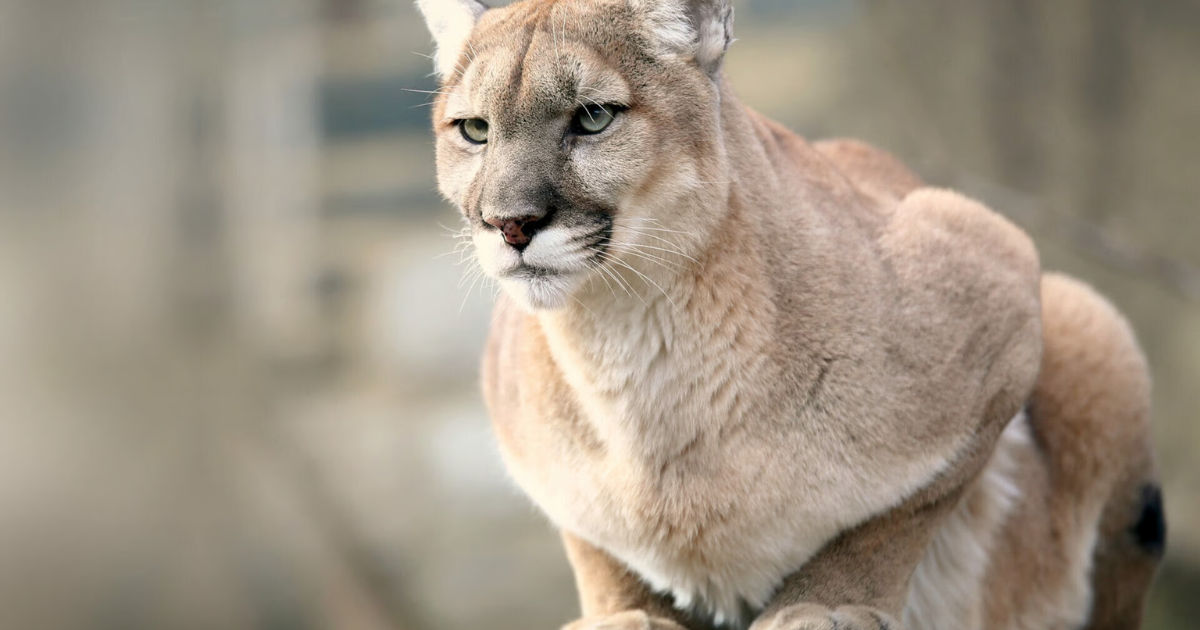
Pumas, also known as cougars or mountain lions, belong to the large family of wild cats that have evolved over millions of years. They are fascinating creatures, and understanding their lineage gives insight into the diverse range of felines that share a common ancestry. This article explores the different species in the puma lineage, including the North and South American pumas, jaguarundis, and various types of cheetahs. Whether you’re a wildlife enthusiast or simply curious about the cat family, this guide will provide you with essential information.
The North American Puma: The Cougar
The North American puma, scientifically known as Puma concolor cougar, is one of the most recognizable wild cats in North America. These cats are also known as cougars, and they inhabit a wide range of ecosystems, from forests and mountains to deserts. As apex predators, cougars have a crucial role in maintaining the balance of their habitats by controlling populations of prey species such as deer.
Their physical features include a slender, muscular body, a broad face, and a tail used for balance. Cougars are typically tan with a white underside, but their coat can vary in shade depending on their environment. They are known for their incredible jumping abilities and stealth, making them exceptional hunters.
The South American Puma: The Same Species, A Different Range
The South American puma (Puma concolor concolor) is another subspecies of the puma, found across South America. These pumas share the same scientific classification as their North American relatives but are distinguished by their geographical location and slight variations in size and coat color. The South American puma’s habitat spans from the Andes mountains to the rainforests of Brazil, where it plays a similar ecological role as its northern cousin.
Like the North American puma, these cats are solitary hunters and are often found in regions with plenty of cover and high prey density. Although similar in behavior and physical traits to the North American puma, the South American version adapts to its environment with a darker coat, aiding camouflage in the dense foliage of the rainforest.
The Jaguarundi: A Unique Puma Relative
The jaguarundi (Herpailurus yagouaroundi) is another feline in the puma lineage, although it looks quite different from its more famous cousins. Unlike the puma, the jaguarundi has a slender, elongated body and short legs, making it more similar to a weasel than a typical big cat. Jaguarundis are small cats, ranging from 40 to 60 cm (16 to 24 inches) in length, with a tail about the same length as their body.
These cats are found primarily in Central and South America, where they prefer dense forests and wetlands. The jaguarundi comes in two distinct color forms: a red form, which is reddish-brown, and a dark form, which is a darker gray or black. Jaguarundis are known for their agility and are excellent climbers and swimmers.
The King Cheetah: A Color Variation
An interesting aspect of the cheetah family is the King cheetah, a rare color variation of the cheetah that is also connected to the puma lineage. The King cheetah is distinguished by its unique coat pattern, which features larger spots and a more striking appearance. Though it is often regarded as a distinct breed, the King cheetah is genetically linked to the standard cheetah, and the color mutation is what sets it apart from other members of the cheetah family.
The Cheetah Family: Diverse and Majestic
The cheetah is a highly specialized predator known for its incredible speed. Unlike other big cats, cheetahs are built for acceleration rather than strength. With their long, slender bodies and distinctive tear marks under their eyes, cheetahs are designed for sprinting at high speeds to capture prey, such as gazelles, in open grasslands.
The Sudan Cheetah
The Sudan cheetah (Acinonyx jubatus soemmeringii) is a subspecies found primarily in northeastern Africa. This cheetah is typically larger than other subspecies and has adapted to the harsh, arid environments of the Sudanese savanna. Sudan cheetahs are known for their adaptability and impressive hunting skills, despite living in a challenging environment with limited prey availability.
South and East African Cheetahs
The South and East African cheetah (Acinonyx jubatus jubatus) is the most common cheetah subspecies and can be found throughout southern and eastern Africa. These cheetahs are larger and have slightly different social structures compared to other cheetah subspecies. They are often found in grasslands, savannas, and open woodlands, where they chase down prey at incredible speeds, reaching 60 miles per hour in short bursts.
The Asiatic Cheetah
The Asiatic cheetah (Acinonyx jubatus venaticus) is found in small populations in Iran and is critically endangered. This cheetah subspecies has a more slender build compared to its African cousins and has adapted to the harsh desert and semi-desert environments of its range. Asiatic cheetahs are highly elusive and prefer to stay hidden, making them one of the most elusive big cats in the world.
The Saharan Cheetah
The Saharan cheetah (Acinonyx jubatus hecki) is a rare subspecies of cheetah found in the Sahara Desert. Known for its adaptability to arid regions, this cheetah has evolved to survive in one of the most extreme environments on Earth. Saharan cheetahs are typically smaller and more agile, capable of covering vast distances in search of food.
Conclusion: Puma Lineage and Its Global Influence
The puma lineage represents a diverse group of felines that have evolved to occupy various ecosystems, from rainforests to deserts. From the agile cougar to the sleek cheetah, these cats have adapted in remarkable ways to survive and thrive in their environments.
Understanding the relationships and distinctions among the puma, jaguarundi, and cheetah subspecies provides valuable insight into the broader cat family and how each species has evolved to fill its ecological niche. As we continue to study these incredible animals, we deepen our appreciation for the complexity of nature and the delicate balance that supports these magnificent creatures.
FAQ Section
1. Are pumas and cougars the same?
Yes, the terms “puma” and “cougar” refer to the same species, Puma concolor. The name “cougar” is commonly used in North America, while “puma” is often used in scientific contexts.
2. Why are jaguarundis different from other pumas?
Jaguarundis have a distinct, weasel-like appearance, with short legs and a long, slender body. They are part of the puma lineage but differ significantly in appearance and behavior compared to their larger cousins.
3. How fast can a cheetah run?
Cheetahs are the fastest land animals, capable of reaching speeds up to 60 miles per hour (97 km/h) in short bursts. This incredible speed allows them to catch fast prey in open habitats.
Internal Linking Suggestions
For more insights into wildlife and the natural world, check out these related articles on Secrets of the Green Garden:
- The Importance of Apex Predators in Ecosystem Balance
- Wild Cats of Africa: An In-Depth Look at Big Cats
External Linking Suggestions
- Learn more about puma conservation efforts at the National Wildlife Federation.
- Read about cheetah conservation at the Cheetah Conservation Fund.