
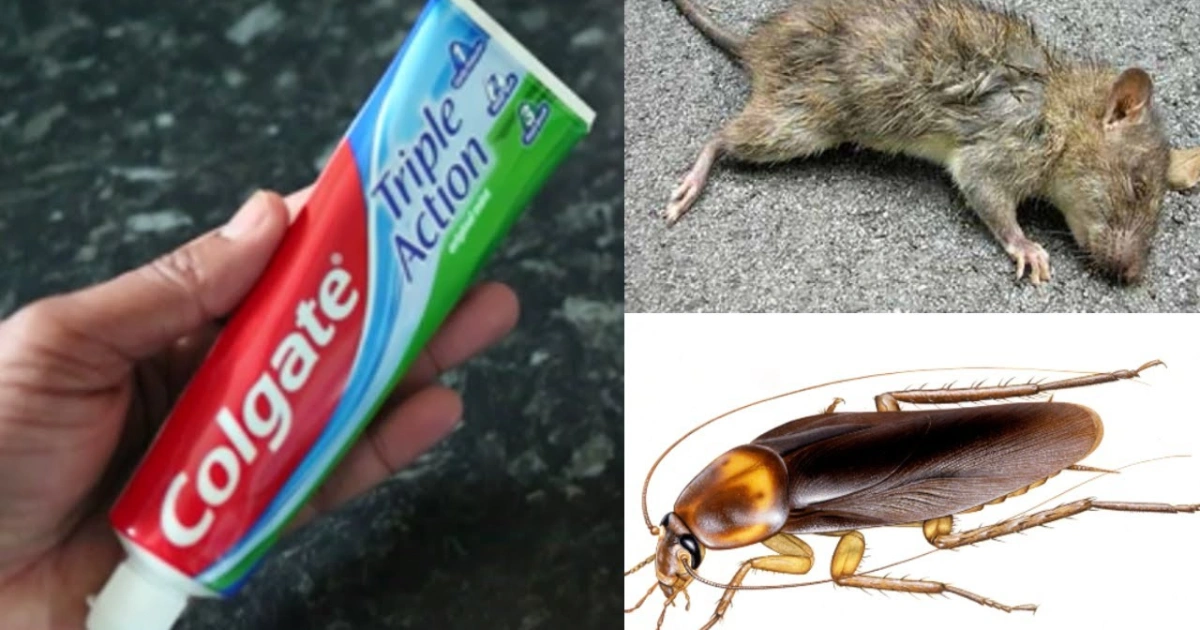
Pest problems are something no homeowner wants to deal with. Ants marching across the kitchen counter, a cockroach darting behind the fridge, or mice scurrying into the pantry can quickly turn a comfortable home into a stressful environment. While many people turn to chemical poisons or traps, there’s a lesser-known, budget-friendly method that some households swear by: using toothpaste.
This simple approach may not replace professional pest control, but it can serve as an effective short-term deterrent, especially for minor infestations or preventive care.
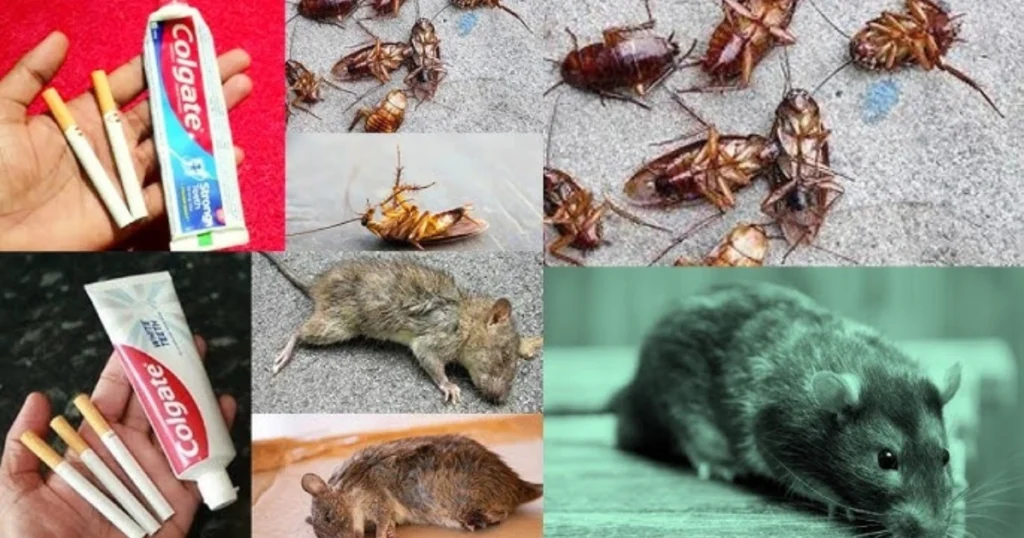
Why Controlling Pests at Home Matters
Household pests are more than just a nuisance—they can carry serious health risks. According to the Centers for Disease Control and Prevention (CDC), rodents, cockroaches, and even some ant species can transmit bacteria, allergens, and parasites. The consequences can include:
- Contaminated food and kitchen surfaces
- Allergic reactions or asthma triggers from pest droppings and dander
- Unpleasant odors from nesting or waste
- Damage to walls, wiring, or wooden furniture caused by gnawing
Maintaining a clean home, sealing entry points, and removing food sources are critical steps. However, when pests still manage to invade, a natural deterrent like toothpaste may help discourage their presence.
Why Toothpaste Works as a Pest Deterrent
Toothpaste—especially mint-flavored varieties—contains ingredients that many pests find unpleasant. While scientific studies on toothpaste as a pest control method are limited, anecdotal evidence points to its potential effectiveness for several reasons:
- Peppermint oil or menthol in toothpaste produces a strong scent that repels ants and rodents.
- Overpowering aroma masks food smells, disrupting scent trails pests rely on.
- Sticky consistency can create a minor barrier for crawling insects.
While toothpaste is not a permanent solution, it can buy you time while implementing long-term prevention measures.
How to Use Toothpaste Against Common Pests
1. Ants
Ants follow scent trails to food sources, making them vulnerable to scent disruption.
Application method:
- Identify entry points such as windowsills, cracks, and baseboards.
- Apply a thin line of mint toothpaste directly on or near these areas.
- Reapply daily or after cleaning.
Extra tip: Combine toothpaste with a small amount of baking soda and place the mixture on paper near ant trails to enhance the deterrent effect.
2. Cockroaches
Cockroaches are highly resilient but dislike strong minty odors.
DIY deterrent:
- Mix toothpaste with sugar and flour.
- Place small amounts on cardboard or in shallow dishes under appliances and in dark corners.
The sugar attracts them, while the minty scent disrupts their activity. Note that this won’t kill them, but may encourage them to leave.
3. Mice
Mice have an excellent sense of smell, making strong scents an effective deterrent.
Usage:
- Apply mint toothpaste along cupboard edges or around suspected entry holes.
- Refresh the application every few days.
For best results, pair this with physical barriers such as steel wool.
Safety Tips When Using Toothpaste for Pest Control
- Keep toothpaste applications away from pets, especially dogs, as some formulas contain xylitol, which is toxic to them.
- Avoid applying toothpaste on food preparation surfaces.
- Store any mixtures out of children’s reach.
- Use toothpaste only as a complementary measure, not a primary solution for severe infestations.
Other Natural Pest Control Alternatives
If you’re looking to expand your natural pest control toolkit, consider these additional methods:
- Peppermint oil spray: Combine 10–15 drops of peppermint essential oil with water in a spray bottle and apply around baseboards and doorways.
- Vinegar solution: A 50/50 mix of vinegar and water can erase ant scent trails.
- Bay leaves or cloves: Place them in pantry areas to deter roaches and weevils.
- Cucumber peels: Fresh peels can repel ants naturally.
When to Call a Professional
Persistent pest problems often signal deeper issues such as structural damage, hidden nests, or moisture problems. Contact a licensed pest control expert if you:
- Spot pests frequently during the day
- Find gnaw marks, damaged packaging, or wiring
- Hear scratching or movement inside walls
- Discover droppings or strong odors
Final Thoughts
Toothpaste may not be a miracle cure for pest problems, but it’s an easy, low-cost option that can help discourage ants, roaches, and mice in mild cases. Its strong scent and sticky texture make it an accessible household tool for pest prevention—especially when paired with good home maintenance practices.
By combining toothpaste deterrents with sealing entry points, proper food storage, and regular cleaning, you can create a less inviting environment for unwanted guests. For ongoing or severe infestations, always seek professional help to ensure your home stays safe and pest-free.
Main keyword: toothpaste for pest control
LSI/NLP keywords: natural pest deterrent, mint toothpaste, ant repellent, cockroach deterrent, mouse repellent, homemade pest control, non-toxic pest control, peppermint oil pests
Internal link suggestions from secretsofthegreengarden.com:
- “Natural Ways to Keep Ants Out of Your Kitchen”
- “DIY Peppermint Spray for Pest Control”
- “Safe and Natural Methods to Protect Your Pantry”
External link suggestions: