
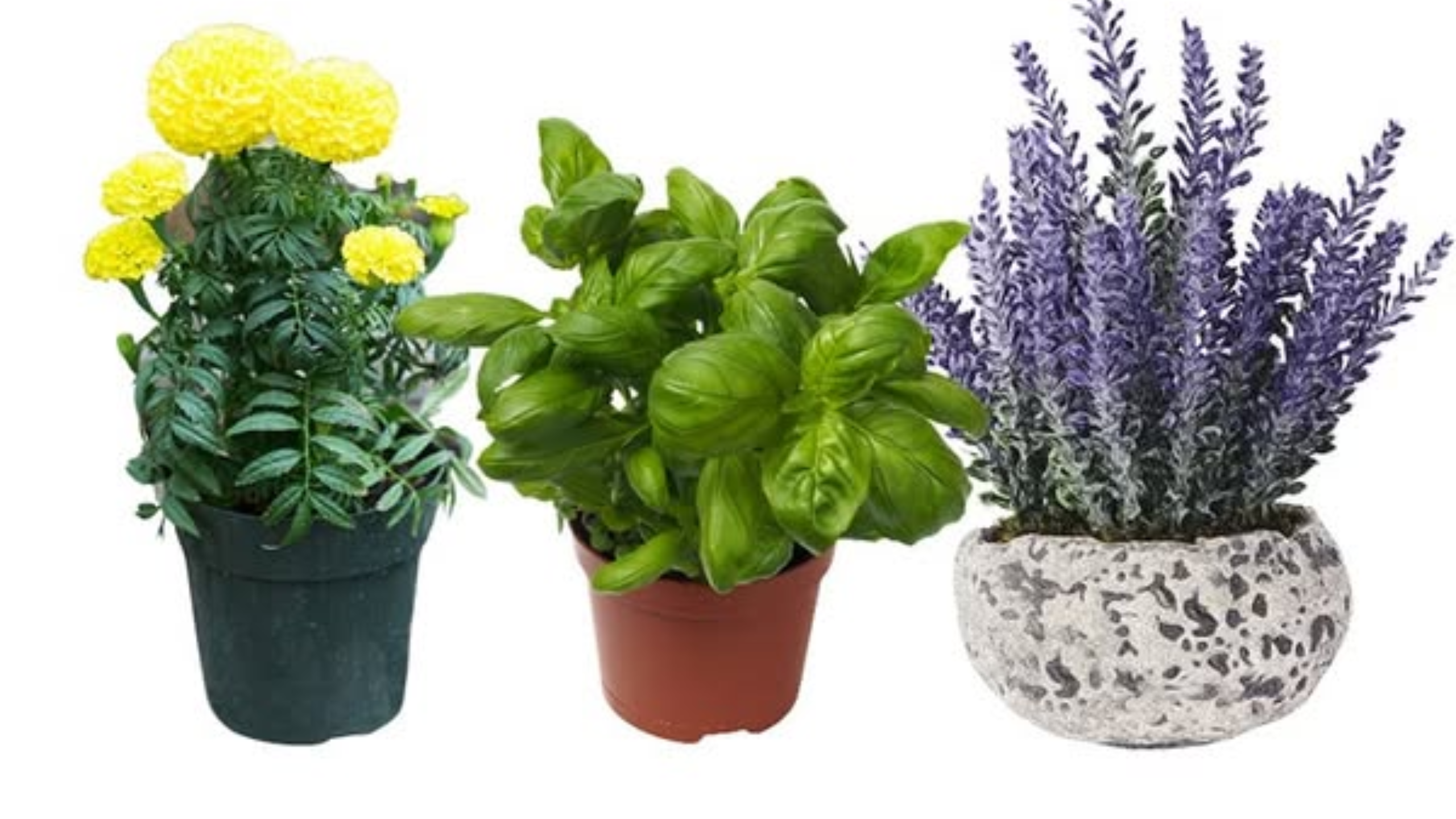
We all know the frustration of spending a pleasant evening outside, only to be swarmed by those pesky mosquitoes. The itchy bites and constant swatting can quickly turn your summer fun into a nightmare. But don’t worry, you don’t have to rely on harsh chemicals or citronella candles to keep mosquitoes at bay. Instead, why not use the power of plants? Certain plants are natural repellents and can help you create a mosquito-free zone right in your own home or garden. Let’s explore some of the most effective, plant-based mosquito deterrents that can work wonders for you!
Citronella: A Natural Mosquito “Do-Not-Enter” Sign
When you think of repelling mosquitoes, citronella is probably the first plant that comes to mind—and for good reason! This plant emits a strong lemony scent that mosquitoes absolutely hate. Citronella is commonly used in candles and sprays, but you can also grow it right in your garden or place it in pots near doors, windows, and patios to create a natural barrier.
Its strong aroma is effective in masking the scents that attract mosquitoes, making it a fantastic way to keep them away. Plus, citronella is easy to grow in most climates and is a lovely addition to your outdoor décor. So, pot a few citronella plants and enjoy a mosquito-free outdoor space!
Lavender: Sweet for You, Nightmarish for Mosquitoes
Lavender isn’t just for creating relaxing scents in your home; it’s also a powerful mosquito repellent. With its pleasant floral aroma, lavender is a soothing scent for humans but a nightmare for mosquitoes. Mosquitoes are repelled by the strong fragrance of lavender, which disrupts their ability to detect the carbon dioxide we exhale.
Not only does lavender help keep mosquitoes away, but it also attracts pollinators like bees and butterflies, making it a great addition to your garden. Plant it near your patio or on your windowsills to enhance both your space’s aesthetic and its mosquito-repelling power. Plus, the flowers are beautiful and can be harvested to create homemade sachets or essential oils.

Basil: Kitchen Hero by Day, Bug Bouncer by Night
Basil is a versatile herb that’s perfect for adding flavor to your dishes, but did you know it’s also an excellent mosquito repellent? The strong scent of basil, particularly the variety known as “holy basil,” works wonders in keeping mosquitoes away. The plant contains compounds that mosquitoes find unpleasant, such as eugenol, which is the same compound found in cloves, another insect deterrent.
Plant basil in your kitchen garden or keep a pot on your windowsill. This way, you can enjoy its culinary benefits during the day, and its bug-repelling properties at night. It’s a win-win for your cooking and your comfort! Plus, basil is easy to care for and thrives in sunny spots, making it an excellent addition to your mosquito-fighting arsenal.
Peppermint: Cool Aroma, Hot Defense
If you love the cool, refreshing scent of peppermint, mosquitoes do not. Peppermint is a natural mosquito repellent, thanks to its high menthol content, which acts as a deterrent for insects. The strong aroma of peppermint masks the scents mosquitoes use to locate their prey, effectively keeping them away.
Peppermint is another plant that’s perfect for growing indoors or outdoors. It grows quickly and thrives in sunny, well-drained spots. Whether you place it on your windowsill or use it as a border around your patio, peppermint helps create a relaxing and bug-free environment. Plus, its leaves are great for making refreshing teas or adding a cool kick to your favorite dishes.
Calendula (Marigold): Bright Petals, Bite-Blocking Power
Calendula, often known as marigold, is not only a vibrant, cheerful flower that brightens up any garden, but it also has mosquito-repelling properties. The bright, golden petals of marigolds contain pyrethrum, a natural compound that is toxic to mosquitoes and other insects. By planting marigolds in your garden or around your patio, you create a natural defense against mosquitoes and other pests.
Marigolds are incredibly easy to grow, making them a perfect choice for gardeners of all skill levels. They can be planted in pots or directly in the ground, and their striking color and lovely scent will add beauty to your outdoor space while helping to keep mosquitoes away.
How to Use These Plants for Maximum Effectiveness
Now that you know about some of the best mosquito-repelling plants, you’re probably wondering how to make the most of them. Here are a few tips to help you create a mosquito-free zone at home:
- Place them strategically: Pot these plants near doors, windows, and patios where mosquitoes tend to enter your home. The scent will act as a natural barrier, making it less likely for mosquitoes to get inside.
- Group them together: If you have several of these plants, group them together for maximum effectiveness. The combined scents will create a stronger repellent effect.
- Use them indoors: Many of these plants, like lavender and basil, thrive indoors as well. Place a few pots on your windowsills or counters to keep mosquitoes at bay inside your home.
- Maintain your plants: Keep your plants healthy by ensuring they have enough sunlight, water, and good soil. Healthy plants will produce more essential oils, making them more effective at repelling mosquitoes.
Conclusion
Summer nights should be spent enjoying the outdoors, not swatting at mosquitoes. With the power of natural, mosquito-repelling plants like citronella, lavender, basil, peppermint, and marigolds, you can create a peaceful and pest-free environment around your home. Whether you plant them in your garden, place them on your balcony, or keep them on your windowsill, these plants not only help repel mosquitoes but also add beauty and fragrance to your space. So, why rely on chemical sprays when you can harness the power of nature to protect yourself from those itchy bites? 🌿🦟✨
Get ready to enjoy your summer, mosquito-free!