
Survival in the wilderness or extreme environments requires more than courage—it demands knowledge. One of the most fundamental principles for staying alive is the Rule of Threes, a simple yet critical framework that prioritizes essential needs when facing life-threatening situations.
What is the Rule of Threes?
The Rule of Threes is a survival guideline that estimates how long a human can survive without vital necessities:
- Air: 3 minutes without oxygen
- Shelter: 3 hours in extreme conditions
- Water: 3 days without water
- Food: 3 weeks without food
By understanding these limits, survivalists and outdoor enthusiasts can make informed decisions under pressure, focusing on the most urgent needs first.
Air: The Most Immediate Need
Oxygen is the first priority because humans can only survive for approximately three minutes without it. Situations such as drowning, smoke inhalation, or being trapped in confined spaces require immediate action to restore breathing. Ensuring access to clean air is crucial, and techniques like controlled breathing and airway management can extend survival slightly but cannot replace oxygen entirely.
Shelter: Protecting from the Elements
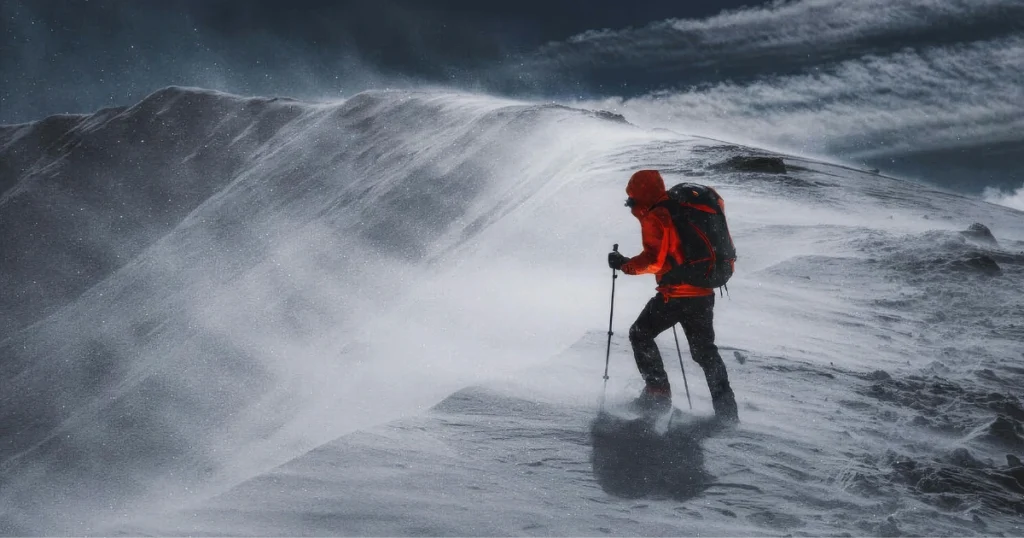
Exposure to extreme temperatures, whether freezing cold or scorching heat, can quickly become life-threatening. Without proper shelter, the body cannot maintain its core temperature, leading to hypothermia or heatstroke. Experts recommend building or finding a safe shelter within the first three hours of exposure. Materials for improvised shelter can include tarps, branches, rocks, or snow, depending on the environment.
Water: Hydration Before Food
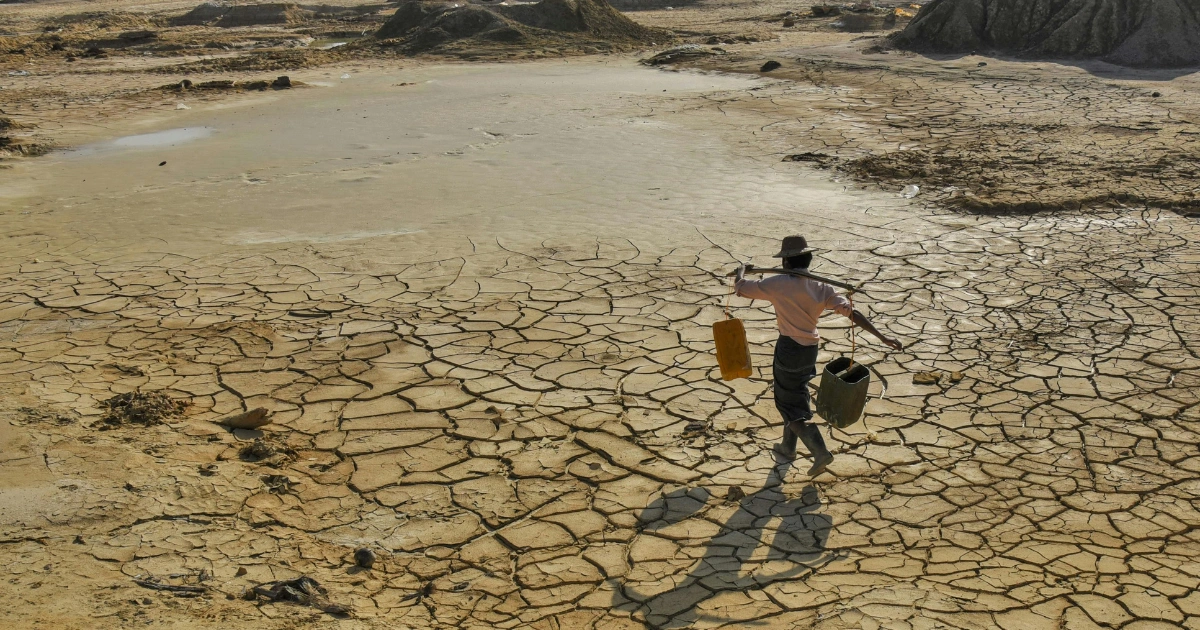
After securing air and shelter, hydration is the next critical factor. The human body can survive roughly three days without water, but this varies depending on activity level, temperature, and humidity. Drinking unsafe water can lead to illness, so sourcing clean water from streams, rain, or purification methods is essential. Collecting and conserving water early can prevent rapid dehydration and maintain physical and mental performance.
Food: Sustaining Energy Over Time
Food is less urgent than air, shelter, and water. Humans can endure up to three weeks without food, though energy levels, mental acuity, and overall health begin to decline. In survival situations, rationing food, foraging, or catching prey can extend endurance. Prioritizing calorically dense foods can maximize energy output while minimizing effort.
Common Survival Mistakes
Even experienced adventurers sometimes make critical errors that endanger their lives:
- Searching for food first: Many focus on finding food immediately, neglecting shelter and water. This can lead to hypothermia or dehydration before nourishment becomes relevant.
- Ignoring environmental threats: Exposure to wind, rain, or extreme heat can quickly compromise survival. Prioritizing shelter over comfort is essential.
- Neglecting water sources: Dehydration progresses faster than starvation. Ensuring access to clean water should always come before food.
Survival Priorities in Action
A practical approach to the Rule of Threes involves these steps:
- Assess the situation: Quickly determine the most immediate threat—lack of air, exposure, or dehydration.
- Secure air and breathing: Ensure a safe and breathable environment.
- Build or find shelter: Protect yourself from wind, rain, and temperature extremes.
- Locate and purify water: Hydrate before worrying about food.
- Conserve energy and plan for food: Focus on minimal movement and high-calorie food sources when necessary.
Additional Tips for Survival
- Always carry a basic survival kit with water purification, shelter materials, and signaling devices.
- Learn to read environmental cues such as water sources, wind direction, and weather changes.
- Stay calm and prioritize needs systematically—panic accelerates mistakes.
- Use natural resources effectively: leaves, branches, stones, and snow can be lifesaving.
Frequently Asked Questions (FAQ)
Q1: Can the Rule of Threes vary based on individual conditions?
Yes, factors like age, fitness, health, and environmental conditions can extend or reduce survival times.
Q2: Why is shelter prioritized before food?
Extreme exposure can kill within hours, whereas starvation typically takes weeks. Shelter prevents hypothermia and heatstroke.
Q3: How can I purify water in survival situations?
Boiling, filtration, or chemical purification can make water safe. Avoid untreated sources that may contain bacteria or parasites.
Q4: Is it possible to survive without food longer than three weeks?
While rare, survival beyond three weeks may occur if body fat reserves are high and water is available, but physical and mental deterioration occurs rapidly.
Q5: What skills help implement the Rule of Threes effectively?
Skills like fire-making, water purification, shelter construction, and basic first aid are crucial for following the Rule of Threes successfully.