
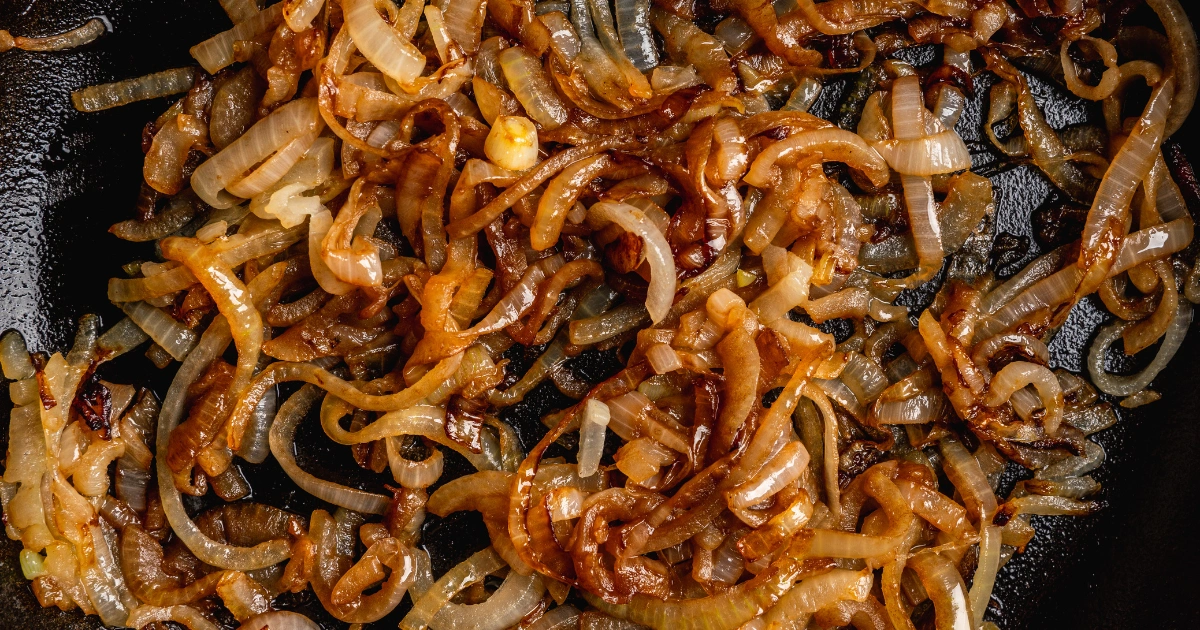
Caramelized onions are a staple in kitchens worldwide, elevating dishes with their sweet, complex flavor and golden hue. But behind this culinary magic lies a fascinating science. Understanding the transformation process can help both home cooks and professional chefs achieve perfectly caramelized onions every time.
What Happens When Onions Caramelize
Caramelization is a chemical reaction where sugars in onions break down under heat, producing new flavor compounds and a golden-brown color. Unlike raw onions, which taste pungent and sharp, caramelized onions develop a rich, sweet, and nuanced flavor profile. The process begins when medium-low heat slowly softens the onion, allowing natural sugars to react over time.
Key Stages of Onion Caramelization
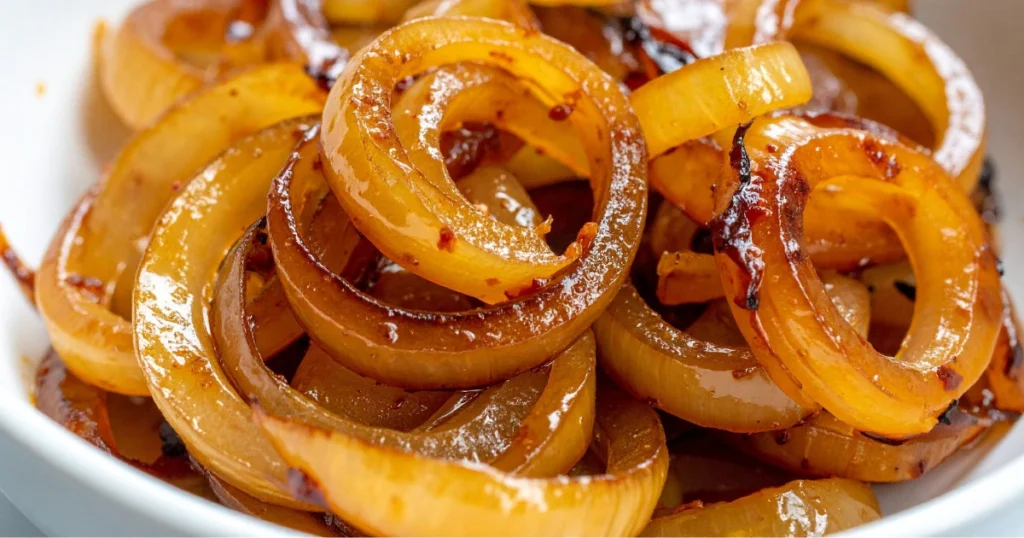
- Initial Softening (5 minutes)
Raw onions start softening, releasing water. At this stage, the pungent aroma begins to mellow. - Translucence and Water Evaporation (15 minutes)
Onions become translucent as water evaporates, concentrating their sugars and initiating flavor complexity. - Color Development (25 minutes)
Sugars continue breaking down, turning the onions a light amber. Sweet aromas emerge as Maillard reactions contribute to flavor depth. - Golden Brown and Flavor Peak (35 minutes)
Onions reach a deep golden hue, and flavor compounds are fully developed, producing the signature sweetness and rich complexity associated with caramelized onions.
The Science Behind the Sweetness
The sweetness in caramelized onions is not just from the sugars alone. The Maillard reaction—an interaction between amino acids and reducing sugars—creates hundreds of new compounds that enhance flavor. This reaction produces savory, nutty, and caramel-like notes, transforming a simple onion into a gourmet ingredient.
Factors That Influence Caramelization
- Heat: Low to medium heat ensures even cooking and prevents burning. High heat accelerates browning but can result in bitterness.
- Time: Patience is key. Rushing the process prevents full flavor development.
- Sugar Content: Naturally sweeter onions, such as Vidalia or Walla Walla, caramelize faster and more evenly.
- Fat: Butter or oil helps distribute heat, aids in browning, and enhances flavor absorption.
Tips for Perfect Caramelized Onions
- Use a Wide Pan: A large surface area promotes even cooking and reduces steaming.
- Stir Frequently: Prevents sticking and ensures uniform browning.
- Deglaze the Pan: Add a splash of water, wine, or broth to lift fond and enhance flavor.
- Patience Over Heat: Slow cooking yields deeper flavors and prevents burning.
Culinary Uses for Caramelized Onions
Caramelized onions can transform everyday dishes:
- Spread on burgers or sandwiches for a sweet, savory boost.
- Stir into pasta, risotto, or grain bowls for depth and richness.
- Top pizzas, flatbreads, and tarts for gourmet flavor.
- Pair with roasted vegetables or meats to add complexity.
FAQs About Caramelized Onions
Q1: Can I caramelize onions in the microwave?
A: While microwaving softens onions quickly, it won’t produce the same deep, rich flavor as slow stovetop caramelization.
Q2: How long do caramelized onions last?
A: Properly stored in an airtight container, they last up to 7–10 days in the refrigerator and can be frozen for up to 3 months.
Q3: Are all onions suitable for caramelization?
A: Yes, but sweeter varieties like yellow, Vidalia, or Walla Walla onions yield more natural sweetness and caramelize faster.
Q4: Why do onions sometimes burn before caramelizing?
A: High heat or insufficient stirring causes uneven cooking. Reduce the heat and stir regularly to prevent burning.
Q5: Can I add sugar to speed up caramelization?
A: Adding a small pinch of sugar can help, but it’s usually unnecessary if using naturally sweet onions and cooking slowly.