
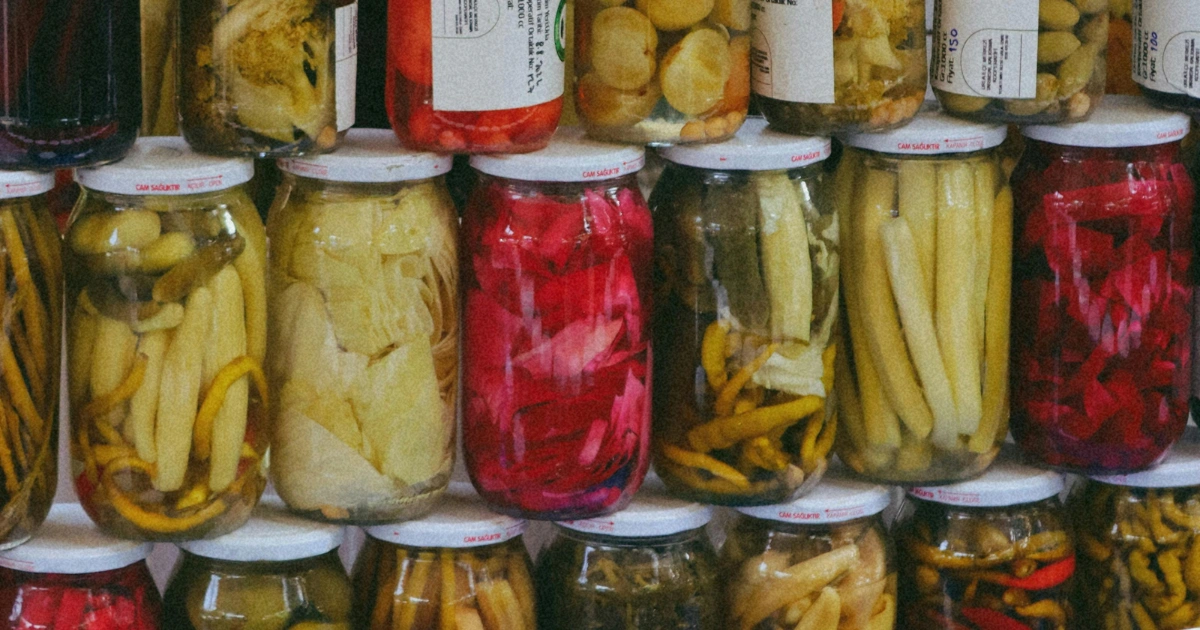
Fermentation is an ancient method of preserving food, enhancing flavors, and creating probiotic-rich products. Whether you are making sauerkraut, kimchi, or pickles, selecting the proper fermentation vessel is essential to ensure safety, maintain taste, and achieve consistent results. Using the wrong container can lead to spoilage, off-flavors, or even unsafe food. This guide explores the ideal vessels for fermentation and explains why some containers should be avoided.
Why the Right Fermentation Vessel Matters
Fermentation relies on beneficial bacteria to convert sugars into lactic acid, carbon dioxide, or alcohol, depending on the food type. The environment inside your container must allow these microorganisms to thrive while preventing contamination from harmful bacteria or mold. The choice of vessel affects:
- Oxygen exposure: Anaerobic conditions are required for most vegetable ferments.
- pH stability: Acidic conditions must be maintained for flavor and safety.
- Temperature control: Material and thickness can influence heat transfer.
- Durability and chemical interaction: Some metals and plastics react with acids, compromising taste or safety.
Best Containers for Fermentation
1. Traditional Ceramic Crocks
Ceramic crocks have been used for centuries in fermenting vegetables. These containers are excellent for anaerobic fermentation because:
- They provide a stable, non-reactive environment.
- Their thickness helps maintain consistent temperatures.
- Many ceramic crocks come with water channels for airlocks, reducing oxygen exposure.
Tips for use:
- Ensure your ceramic crock is glazed internally to prevent any chemical interaction.
- Avoid placing it in direct sunlight or near heat sources.
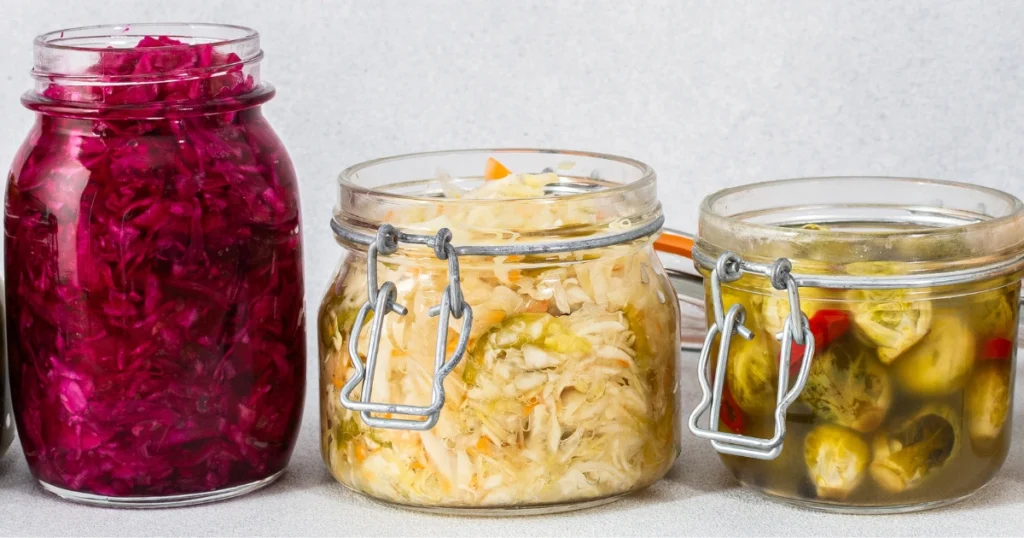
2. Mason Jars with Airlock Lids
Mason jars are widely available and versatile for small-batch fermentation. When fitted with an airlock:
- They allow carbon dioxide to escape without introducing oxygen.
- They maintain the correct anaerobic environment for vegetables like cucumbers or cabbage.
Key points:
- Use clean, sterilized jars.
- Ensure the airlock is correctly installed to prevent contamination.
3. Plain Mason Jars with Cloth Covering
A simple mason jar with a cloth cover can work for short-term ferments. The cloth allows gases to escape while keeping dust and insects out.
- Best for mild ferments with low acidity.
- Not ideal for long-term fermentation, as it cannot prevent oxygen exposure completely.
Containers to Avoid
1. Plastic
While plastic containers are common, they are generally unsuitable for fermentation:
- Acidic brines react with some plastics.
- Scratches in plastic can harbor bacteria, leading to spoilage.
- Plastic can absorb odors and colors from the ferment.
2. Reactive Metal Bowls
Avoid metals like aluminum or copper unless specifically designed for food fermentation:
- Acidic ferments corrode reactive metals.
- Metal can leach into your food, altering taste and potentially safety.
- Stainless steel is acceptable, but ensure it is high-quality and non-reactive.
3. Containers without Seals
Open containers that cannot hold gases or exclude oxygen are unsuitable:
- Oxygen exposure allows mold and yeast overgrowth.
- Proper fermentation requires control over air exchange.
Best Practices for Fermentation Success
- Use vessels appropriate for the batch size. Large crocks for family-sized ferments, small jars for individual batches.
- Maintain cleanliness: wash hands, utensils, and containers thoroughly.
- Monitor fermentation: taste periodically and look for signs of spoilage.
- Store in a cool, dark place for consistent results.
FAQ
Q1: Can I use any glass jar for fermentation?
Yes, but ensure it is free from cracks and has a lid or airlock to maintain anaerobic conditions.
Q2: Is it safe to ferment in plastic containers?
Generally, no. Plastic can react with acidic foods and may harbor bacteria in scratches.
Q3: Can metal containers be used for fermentation?
Only non-reactive metals like high-quality stainless steel are safe. Avoid aluminum and copper.
Q4: How long can fermented vegetables be stored?
Most fermented vegetables last several months when stored in a cool, dark place.
Q5: What signs indicate a failed fermentation?
Mold growth, off smells, or slimy textures indicate spoilage. Discard any batch showing these signs.