
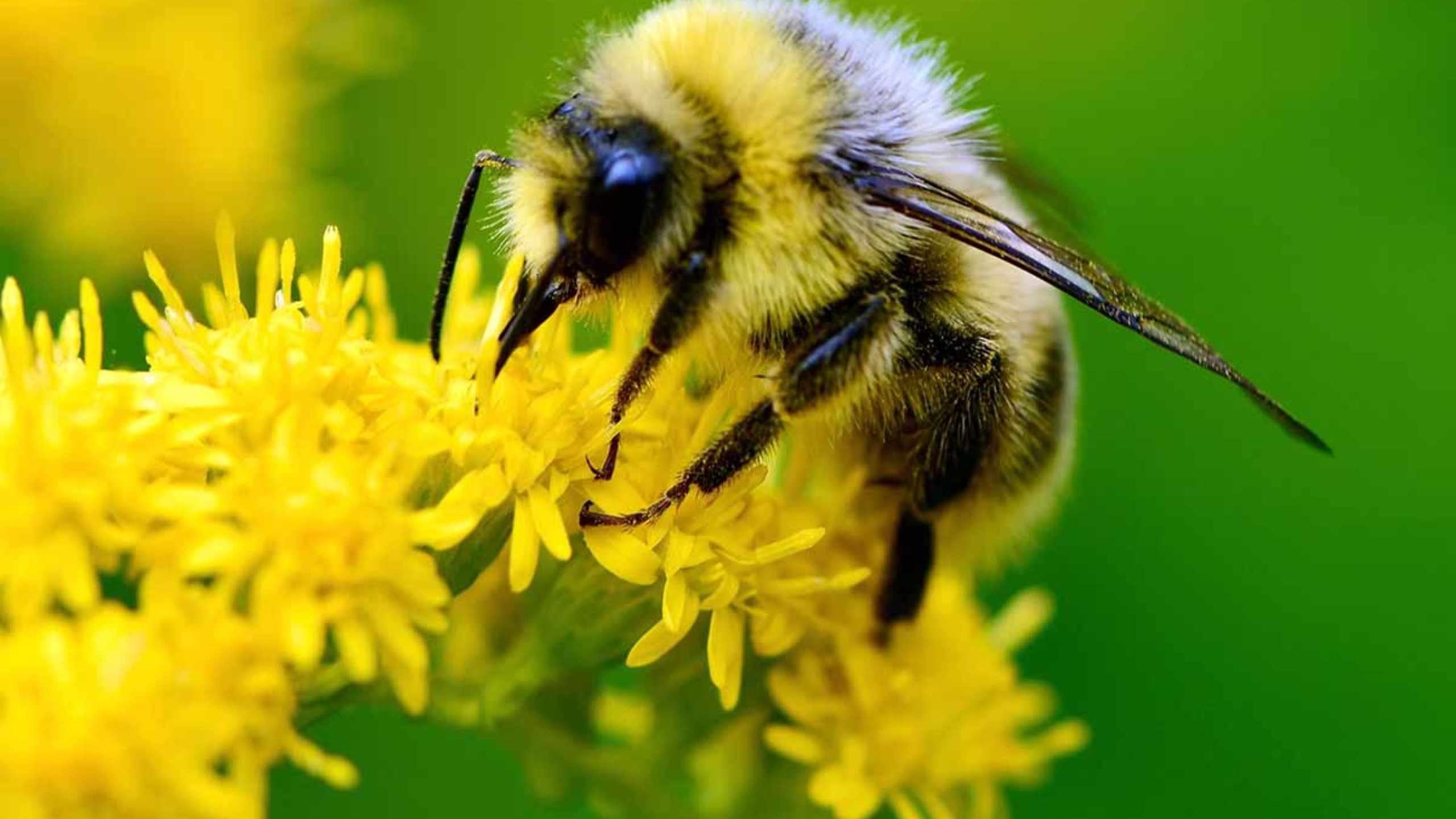
In the world of gardening, we often focus on the plants, the soil, and the tools we need to nurture our gardens. However, it’s equally important to remember that every creature has its own unique role in maintaining the health and balance of the ecosystem around us. Among these creatures are some of the most beneficial, yet often overlooked, members of the garden community: the bees, bumblebees, and wasps. These buzzing little helpers are essential to a thriving garden.
The Busy Bee: Nature’s Hardworking Worker
When you think of a bee, the first thing that probably comes to mind is its role in pollination. Bees are incredibly effective at transferring pollen between flowers, allowing plants to reproduce. This process helps fruits, vegetables, and flowers to grow and produce seeds, making bees absolutely crucial for the growth and productivity of your garden.
But bees don’t stop there. They also produce honey and beeswax. Honey is a natural sweetener, while beeswax has numerous uses, from cosmetics to candles. So, not only do bees help your garden thrive, but they also contribute to products that benefit humans in many ways. Encouraging bees in your garden can help boost plant production while offering the added bonus of these valuable by-products.
The Fluffy Bumblebee: The Flower Lover
Next up is the bumblebee – a cousin of the honeybee, but with a few notable differences. Bumblebees are larger, fluffier, and tend to be a little slower in flight, making them particularly excellent at pollination. They are able to work in a broader range of temperatures, which makes them essential in cooler climates where other pollinators might not be as active.
Bumblebees are especially attracted to flowers with a tubular shape, such as foxglove or trumpet vines, which they can easily access due to their size and fuzzy bodies. Their extensive foraging habits make them invaluable to your garden, as they help ensure your plants receive the pollination they need to bear fruit.
Moreover, bumblebees are fantastic at visiting multiple flowers in a short period, increasing the efficiency of pollination and allowing for faster growth in your garden. If you want a more vibrant and flourishing garden, attracting bumblebees is a great way to go.
The Wasp: The Garden’s Pest Controller
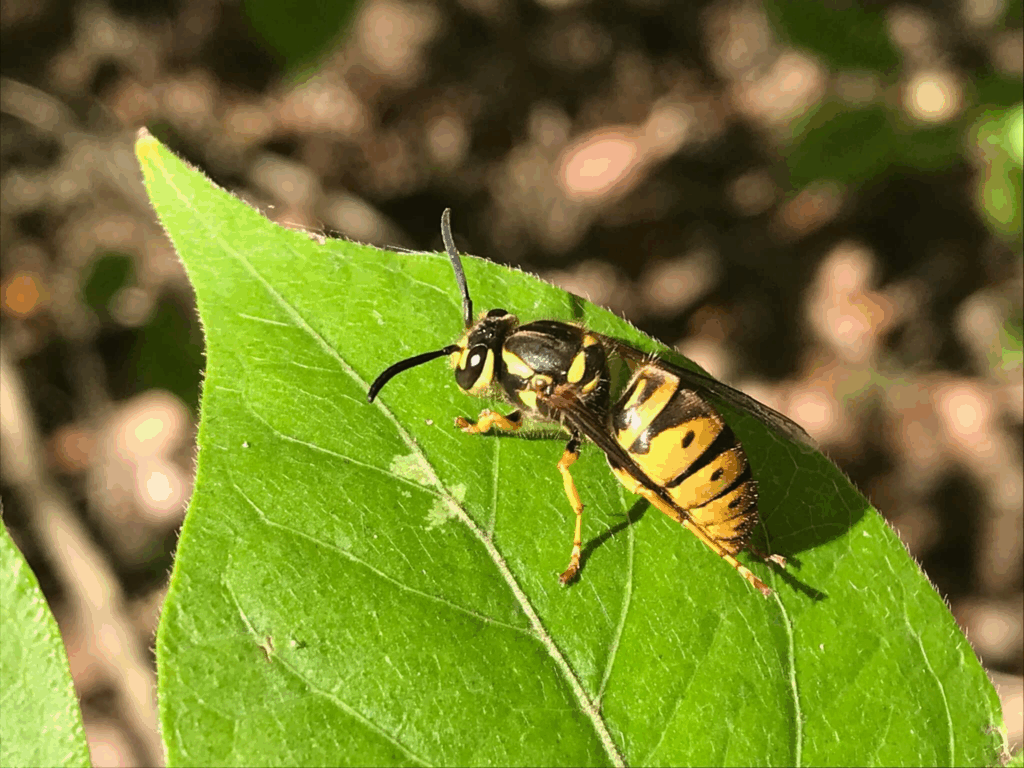
Wasps often get a bad rap due to their aggressive behavior when threatened, but these creatures play an important role in controlling pest populations in the garden. Many species of wasps are natural predators to insects such as aphids, caterpillars, and other plant-damaging pests.
By introducing wasps into your garden, you can reduce the need for chemical pest control methods. These beneficial wasps help keep insect populations in check, preventing them from overwhelming your plants. Additionally, some wasp species even help in breaking down dead plant material, contributing to soil health and overall garden sustainability.
While wasps may be intimidating to some, their role as natural pest controllers is vital for maintaining a balanced ecosystem. By respecting their space and allowing them to carry out their work, you create a more self-sustaining garden that relies less on harmful pesticides.
Creating a Balanced Ecosystem
The key to having a beautiful and productive garden is creating a balanced ecosystem where each species contributes in its own way. By fostering an environment where bees, bumblebees, and wasps are welcome, you’re not only helping your garden thrive but also contributing to the larger environment.
When designing your garden to attract these beneficial creatures, consider planting a variety of flowers, shrubs, and trees that offer nectar, pollen, and habitat. Bees and bumblebees are especially attracted to colorful, fragrant flowers, while wasps need places to build their nests. By planting a mix of flower types, you’ll ensure that there is always something for these pollinators to enjoy, which will encourage them to visit frequently.
It’s also important to minimize the use of pesticides, as they can harm pollinators and other beneficial insects. Instead, consider using natural or organic pest control methods, such as introducing ladybugs or using neem oil, which are safe for bees and wasps.
Why Respecting Their Role Matters
While they may seem small and insignificant, bees, bumblebees, and wasps are key players in maintaining the balance of nature in your garden. Each of these creatures has a specific role that benefits both your plants and the surrounding environment. By respecting their space and giving them the opportunity to thrive, you’re ensuring that your garden remains healthy and productive for years to come.
When you take a step back and acknowledge the importance of these buzzing helpers, you’re helping create a thriving, harmonious ecosystem where every creature has a part to play. Whether it’s the hardworking bee, the fluffy bumblebee, or the pest-controlling wasp, every one of them contributes to the beauty and productivity of your green space.
Conclusion: Embrace Nature’s Helpers
Incorporating these buzzing friends into your garden is one of the simplest and most effective ways to boost its health and productivity. By respecting their role, you can create an environment where nature’s helpers thrive, leading to a more vibrant and bountiful garden.
So, the next time you see a bee buzzing around or a wasp hovering near a plant, remember that they’re not just a part of your garden’s landscape — they are essential to making it grow and flourish. Embrace them, and watch your garden thrive! 🌿🌸