
Introduction
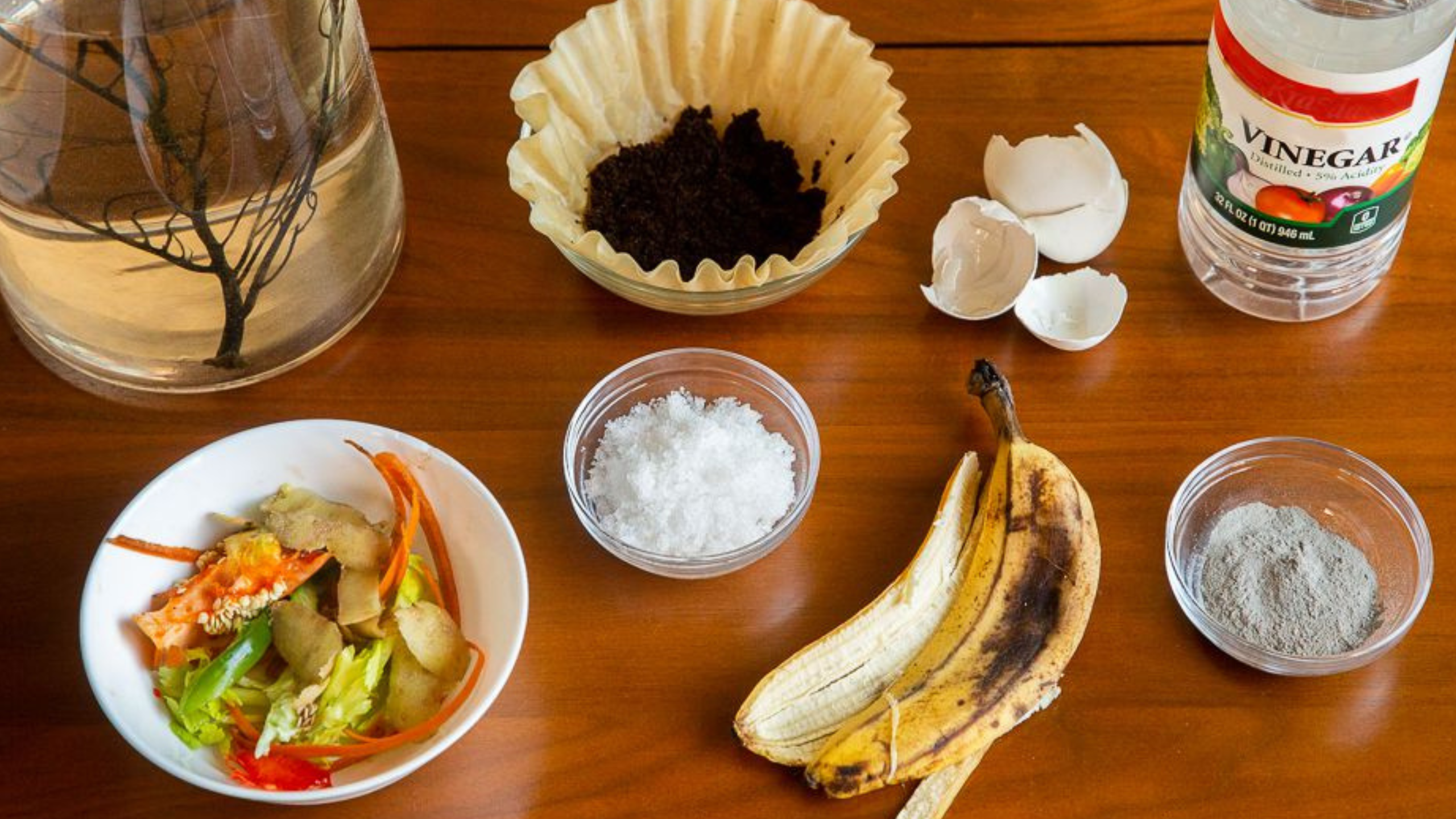
Caring for a flourishing garden is possible without stretching your budget. Many effective fertilizers can be easily crafted at home using everyday kitchen scraps or materials from your yard. These natural solutions not only enhance the health of your plants but also promote sustainability by minimizing waste. Below, we present 15 cost-effective and straightforward homemade fertilizers to enrich your garden organically.
1. Compost Tea
Compost tea is a nutrient-rich liquid created by soaking compost in water, which allows for quick nutrient absorption by your plants and enhances overall soil quality.
To prepare:
- Fill a bucket with water and add compost in a bag or cheesecloth.
- Allow it to steep for 24-48 hours, stirring occasionally before use as a watering solution or foliar spray.
2. Banana Peels
Banana peels provide an excellent source of potassium and phosphorus, promoting robust root systems and vibrant flowers.
Application methods:
- Chop and bury peels near your plants or create banana peel tea by soaking them in water for 48 hours for watering.
3. Eggshells
Loaded with calcium, eggshells help prevent blossom-end rot in crops like tomatoes and peppers.
How to use:
- Rinse, crush, and sprinkle around plants or incorporate into the soil.
4. Coffee Grounds
Used coffee grounds are an abundant source of nitrogen, essential for encouraging leafy growth.
Utilization:
- Mix grounds into your compost or sprinkle around acid-loving plants such as roses and blueberries.
5. Wood Ash
Ash from untreated wood is high in potassium and calcium, making it great for vegetable gardens.
Application tips:
- Lightly sprinkle around plants or mix it into the soil, but avoid use with acid-loving plants as it raises soil pH.
6. Grass Clippings
Fresh grass clippings are rich in nitrogen and perfect for supporting fast-growing leafy vegetables.
To implement:
- Use as mulch around plants or add to your compost pile.
7. Fish Emulsion
This potent liquid fertilizer is derived from fish parts and is rich in nitrogen, phosphorus, and potassium.
Creating it:
- Blend fish scraps with water and let it ferment for several weeks, then dilute before application.
8. Epsom Salt
Epsom salt is beneficial for plants, providing magnesium and sulfur necessary for photosynthesis.
Usage method:
- Dissolve a tablespoon in a gallon of water and spray directly on leaves or around plant bases.
9. Seaweed Fertilizer
Seaweed is packed with beneficial nutrients, including trace minerals.
Preparation:
- Soak seaweed in water for 2-3 weeks, then dilute and apply to plants.
10. Molasses
Molasses boosts beneficial soil microbes, enhancing soil health.
How to mix:
- Combine 1-2 tablespoons with a gallon of water for a soil drench or foliar spray.
11. Manure Tea
This nutrient-dense liquid fertilizer can be made using livestock manure.
Preparation:
- Fill a burlap sack with manure, submerge it in water, let it steep for a week, and dilute before using.
12. Stinging Nettle Tea
Rich in nitrogen and other essential nutrients, stinging nettle tea is great for leafy plants.
How to make it:
- Steep chopped nettle leaves in water for 1-2 weeks, diluting before use.
13. Aquarium Water
Older aquarium water is teeming with beneficial nitrates and potassium.
Utilization:
- Use this water untreated to nourish your plants.
14. Vegetable Cooking Water
Water from boiling vegetables is nutrient-rich and beneficial for garden plants.
How to use:
- Allow it to cool and use it for watering plants.
15. Bone Meal
A slow-release fertilizer high in phosphorus, ideal for root crops and flowering plants.
Preparation method:
- Crush cleaned, baked bones into powder and mix into the soil around plants.
Tips for Effective Use of Homemade Fertilizers
- Soil Testing: Before applying any fertilizers, check your soil to understand what nutrients are needed.
- Moderation: Avoid over-fertilization by starting small and adjusting as needed.
- Combination Use: Blend different fertilizers to cater to the diverse needs of your garden.
- Pest Prevention: Bury items like banana peels or fish scraps to deter pests