
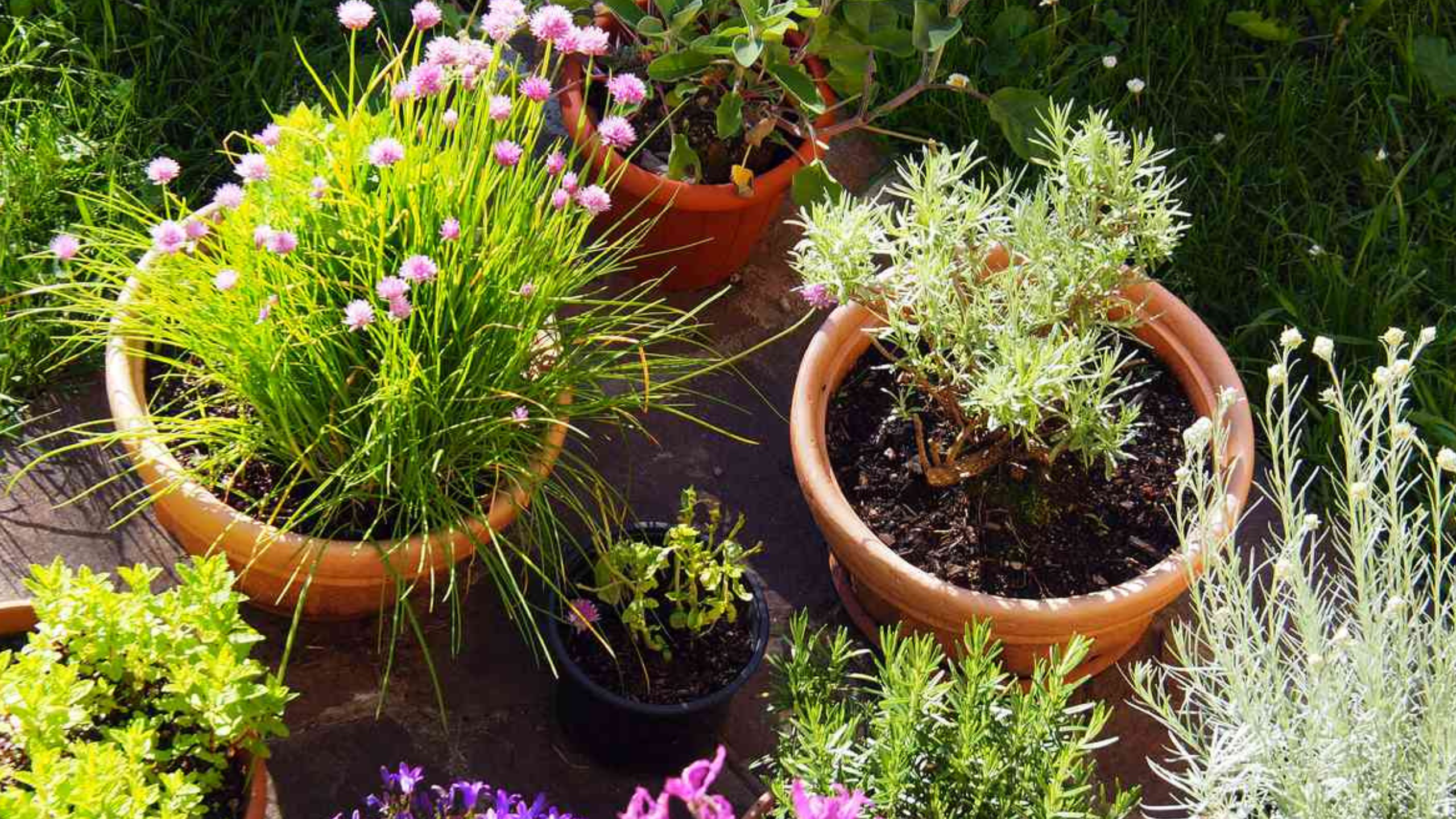
Companion planting is an effective strategy in gardening that optimizes plant health and crop yield. By thoughtfully selecting which plants to grow together, you can enhance growth, ward off pests, and create a more productive garden. Rosemary, known for its aromatic flavor and versatility, pairs well with specific plants while struggling next to others. This guide outlines five plants that should be avoided alongside rosemary and ten beneficial companions that can enhance its growth.
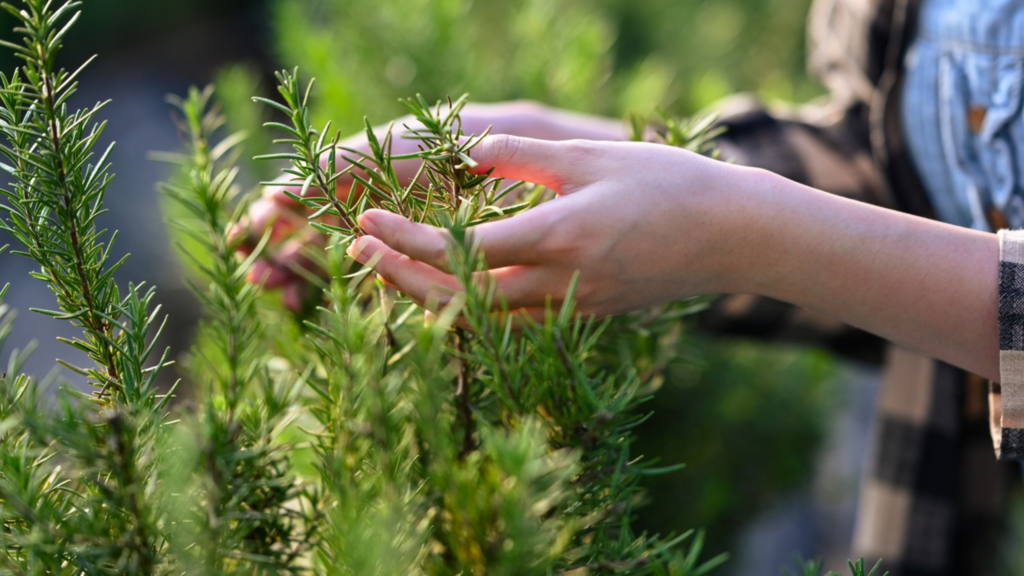
5 Plants to Avoid Planting with Rosemary
Certain plants simply do not harmonize with rosemary. Avoid cultivating these five in its proximity to ensure a thriving garden:
- Mint: Both mint and rosemary exhibit aggressive growth, competing for space and nutrients. Furthermore, mint thrives in moist soil, which contrasts with rosemary’s preference for dry, well-drained conditions.
- Basil: This herb requires more moisture and humidity than rosemary can handle, potentially causing stunted growth when planted together.
- Pumpkins: Heavy feeders, pumpkins deplete soil nutrients essential for rosemary’s aromatic oil and growth, making them unsuitable companions.
- Tomatoes: While tomatoes love nutrient-rich, consistently watered soil, rosemary prefers drier conditions, creating a conflict that can hinder their development.
- Cabbage Family (e.g., Broccoli, Cauliflower, Kale): Rosemary emits compounds that can inhibit the growth of cabbage family crops, rendering them poor companions.
10 Ideal Companions for Rosemary
On the other hand, pairing rosemary with the right plants can lead to mutual benefits. Here are ten plants that thrive with rosemary:
- Carrots: Rosemary helps repel carrot flies, safeguarding this root vegetable from pests.
- Beans: The strong scent of rosemary deters pests like bean beetles, supporting the health of bean plants.
- Sage: Sharing similar preferred growing conditions, rosemary and sage together create a natural pest-repelling duo thanks to their combined aromas.
- Thyme: Thriving in dry, well-drained soil, thyme pairs well with rosemary for a harmonious, low-maintenance herb garden.
- Lavender: Similar requirements for soil and sunlight make lavender an excellent companion, while both plants aid in pest control.
- Oregano: Resembling rosemary’s love for dry soil, oregano also repels pests like aphids, making it a supportive addition.
- Marigolds: Known for their pest-repelling properties, marigolds complement rosemary’s ability to deter insects.
- Parsley: With shallow roots, parsley doesn’t compete with the deeper roots of rosemary, and both thrive in comparable soil conditions.
- Strawberries: Rosemary protects strawberries from pests such as slugs, ensuring healthier fruit yield.
🔟 Chives: These deter pests that may harm rosemary, and their gardening habits complement each other well.
Tips for Effective Companion Planting with Rosemary
To successfully implement companion planting with rosemary, consider the following strategies:
- Understand Soil Preferences: rosemary flourishes in sandy, well-drained soil with a pH between 6.0 and 7.0. Choose plants that thrive under similar conditions to ensure success.
- Space Wisely: As rosemary can grow into a bushy plant, provide sufficient space to prevent overcrowding, which can lead to competition for nutrients.
- Water Appropriately: Avoid pairing rosemary with plants needing constant moisture; this herb prefers infrequent watering.
- Leverage Its Aroma: Utilize rosemary’s potent scent to deter pests near susceptible crops, while being cautious not to plant it beside delicate or moisture-loving plants.
- Rotate and Monitor: To prevent soil depletion and support ongoing health, consider rotating the location of rosemary each year.
By understanding which plants to avoid and which to embrace, you can cultivate a flourishing herb garden with rosemary. This approach not only promotes the health and growth of rosemary but also enhances the vitality of your overall garden. Enjoy the benefits of a thriving, pest-resistant garden with strategic companion planting!