

When your plants struggle to thrive or unexpectedly wilt, sunlight—not watering—may be the real issue. Each plant species has specific light requirements, and placing them in the wrong location can lead to poor health, slow growth, or even death. This guide will help you understand which plants prefer full sun, partial sunlight, indirect light, or shade so you can choose the best spot for each one.
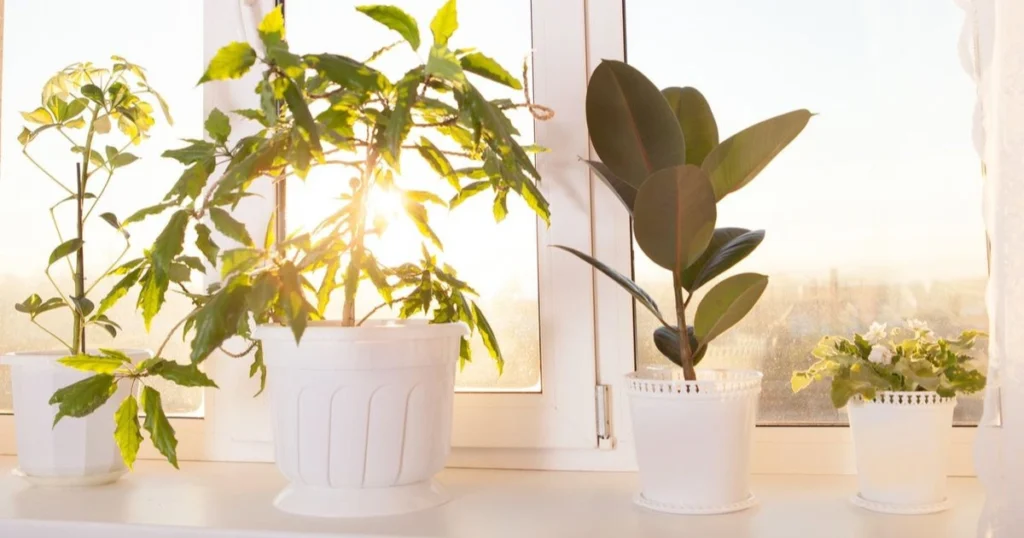
Understanding Plant Light Needs
Plants rely on sunlight for photosynthesis, the process that fuels their growth. However, not all plants require the same amount of sunlight. Some flourish in intense, direct light, while others thrive in filtered or low-light conditions. Learning how much light each type of plant needs is essential for maintaining a healthy and vibrant indoor or outdoor garden.
Full Sun Plants
Best for balconies, terraces, and areas with strong, uninterrupted sunlight.
Plants in this category need at least six hours of direct sunlight daily. They are typically native to arid or Mediterranean regions and are adapted to dry conditions and strong UV exposure.
Common full sun plants:
- Succulents
- Cactus
- Lavender
- Aloe Vera
These species are ideal for outdoor planters, rooftop gardens, and sun-drenched patios. If grown indoors, place them right next to a south-facing window.
Partial Sun or Filtered Light Plants
Great for bright rooms with light-diffusing curtains or east-facing windows.
These plants appreciate good light but don’t tolerate the full intensity of midday sun. They grow best when exposed to bright but indirect light for several hours a day. Morning or late-afternoon sun is usually perfect.
Examples of plants that prefer partial sunlight:
- Ferns
- Palms
- Jade Plant (Crassula ovata)
- Snake Plant (Sansevieria)
Position these near windows with sheer curtains or place them in well-lit rooms that receive indirect light.
Indoor Plants for Low to Moderate Light
Well-suited for interior spaces with ambient light and no direct sun exposure.
These houseplants are highly adaptable and popular for indoor decoration. They grow comfortably under artificial light or in rooms with minimal natural light. Although they don’t need sunbeams, they still require a bright environment to photosynthesize efficiently.
Best indoor low-light tolerant plants:
- Calathea
- Dracaena
- Philodendron
- Anthurium
Keep these plants in living rooms, bathrooms, or bedrooms where the light is soft or diffused throughout the day.
Shade-Loving Plants
Perfect for dim corners, shaded porches, or rooms with very limited natural light.
Contrary to popular belief, some plants actually prefer shade and may suffer under strong sunlight. These species are often native to forest floors where sunlight is filtered through dense canopy layers.
Top plants that thrive in low-light or shade:
- Orchid
- Pothos
- Monstera
- Bromeliad
These plants are excellent choices for darker apartments or areas far from windows. Some, like pothos and monstera, can also tolerate artificial light sources.
Tips for Matching Plants with the Right Light
- Observe natural light in your space throughout the day. Sun patterns shift, so a spot that seems sunny in the morning may be shaded by afternoon.
- Use grow lights in poorly lit homes. Many indoor plants respond well to LED grow lights as supplemental light.
- Rotate plants regularly. This ensures even exposure on all sides and prevents uneven growth.
- Avoid window glare. Intense light through glass can magnify heat and damage sensitive leaves, even in filtered-light plants.
FAQ
How can I tell if my plant is getting too much sunlight?
Signs include scorched or bleached leaves, curling tips, and faded color. Move the plant to a less intense light source or provide a curtain to diffuse the sun.
What happens if a sun-loving plant doesn’t get enough light?
It may grow leggy, lose its color, or stop producing flowers. Lack of sunlight leads to weak stems and stunted growth over time.
Can I move my shade plant outdoors in summer?
Yes, but place it in a protected, shady area and avoid sudden changes in light conditions. Acclimate slowly to avoid shock.
Are artificial lights a good substitute for sunlight?
Yes. Fluorescent or full-spectrum LED grow lights can effectively support houseplants in rooms with little natural light.
Is there a universal spot that suits all plants?
No. Each plant has specific light requirements. Group your plants by their light preferences for better results.
Internal Article Suggestions from secretsofthegreengarden.com
- How to Create a Balcony Garden for Any Climate
- The Best Indoor Plants for Low-Light Rooms
- Why Your Houseplants Are Drooping and How to Fix It
External References
- Royal Horticultural Society – Light requirements for different plant species
- University of Florida Gardening Solutions – Understanding plant light levels
- Missouri Botanical Garden – Shade-tolerant plant recommendations
Summary
Matching the right light conditions to the needs of each plant is key to growing a healthy, beautiful indoor or outdoor garden. Whether you’re nurturing succulents on a sunny windowsill or brightening up a shaded corner with bromeliads, understanding these light requirements helps prevent wilting, improves growth, and keeps your space green and vibrant.
SEO Elements
- Main keyword: plant light requirements
- LSI/NLP keywords: indoor plants, full sun plants, partial sun plants, shade-loving plants, houseplants for low light, indirect sunlight, grow lights, plant care
- Internal link suggestions from secretsofthegreengarden.com:
- How to Create a Balcony Garden for Any Climate
- The Best Indoor Plants for Low-Light Rooms
- Why Your Houseplants Are Drooping and How to Fix It
- External link suggestions: