
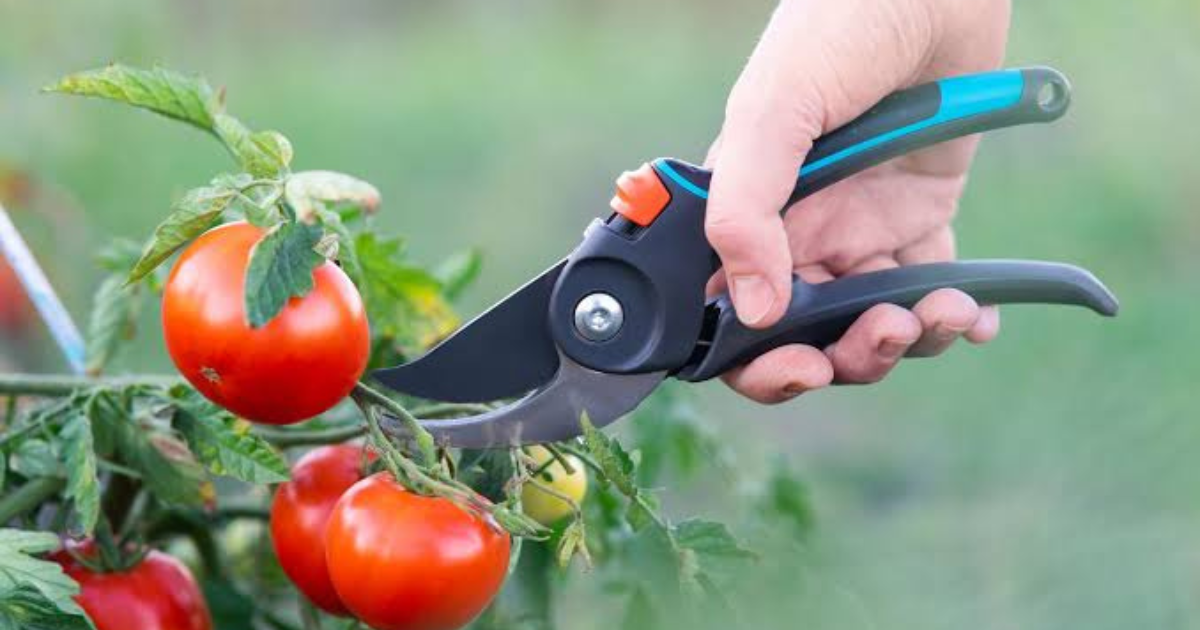
Summer is one of the most important times to prune tomato plants. Proper pruning improves airflow, reduces the risk of disease, directs the plant’s energy toward fruit production, and helps tomatoes ripen before the end of the growing season.
While not every tomato plant requires heavy pruning, knowing which stems and leaves to remove—and which to keep—can lead to healthier plants and a more productive harvest.
Why Prune Tomatoes in Summer?
As tomato plants grow, they produce many extra shoots and leaves. Without pruning, plants can become overcrowded, reducing airflow and creating humid conditions that encourage fungal diseases.
Strategic pruning helps:
- Improve air circulation.
- Increase sunlight reaching the fruit.
- Reduce the risk of fungal diseases.
- Encourage larger, healthier tomatoes.
- Direct energy into fruit production instead of excessive foliage.
Which Tomato Plants Should Be Pruned?
Pruning is most beneficial for indeterminate tomato varieties, which continue growing and producing fruit throughout the season.
Determinate (bush) tomatoes generally require only light pruning, as removing too much foliage may reduce their overall harvest.
What to Keep
Certain parts of the plant should remain untouched because they contribute directly to healthy fruit production.
Fruit-Bearing Branches
Keep all branches that already have flowers or developing tomatoes.
These stems produce your harvest and should not be removed unless they become diseased or damaged.
Leaves That Shade Developing Fruit
Leaves growing directly above tomato clusters help protect the fruit from excessive sun exposure.
Keeping these leaves reduces the risk of sunscald during hot summer weather.
Strong Main Stems
Healthy main stems and well-established side branches provide the structure needed to support heavy fruit production throughout the season.
What to Remove
Removing unnecessary growth helps the plant stay healthy and productive.
Suckers
Suckers are small shoots that develop where a leaf branch meets the main stem.
For indeterminate tomatoes, remove suckers while they are still small—about 2 inches (5 cm) long or less.
Pinching them off with your fingers is usually sufficient, and no tools are needed.
Lower Leaves
Remove leaves growing near the soil, especially those below the first fruit cluster.
This improves airflow and helps prevent soil-borne diseases from splashing onto the foliage during watering or rain.
Yellow or Damaged Leaves
Any leaves that are yellowing, diseased, or damaged should be removed promptly.
This allows the plant to direct more energy toward healthy growth.
Topping the Plant
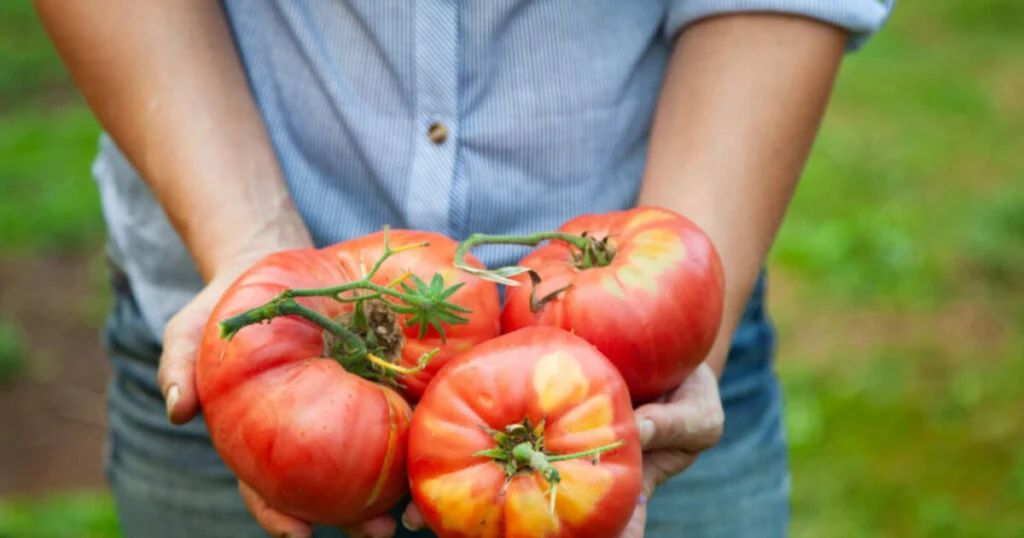
Late in the growing season, you can remove the growing tip of indeterminate tomatoes.
This practice, known as topping, encourages the plant to focus its energy on ripening existing fruit rather than producing new flowers that may not mature before frost.
When to Prune
The best time to prune tomatoes is:
- On a dry morning.
- When the plants are dry.
- Throughout the growing season as needed.
Avoid pruning immediately after rain, as wet plants are more vulnerable to disease.
Tips for Successful Tomato Pruning
For the best results:
- Remove only a small amount of foliage at one time.
- Always use clean, sharp pruning tools when cutting larger stems.
- Check plants weekly for new suckers.
- Water at the base of the plant after pruning.
- Mulch around the base to reduce soil splash.
Common Mistakes
Avoid these common pruning errors:
- Removing too many healthy leaves.
- Pruning determinate tomatoes heavily.
- Leaving large suckers to become thick branches.
- Pruning wet plants.
- Removing leaves that shade developing fruit during extreme heat.
Frequently Asked Questions
Should all tomato plants be pruned?
No. Indeterminate tomatoes benefit the most from regular pruning, while determinate varieties usually need only minimal maintenance.
What are tomato suckers?
Suckers are shoots that grow in the junction between the main stem and a leaf branch. If left in place, they develop into additional stems.
Can removing too many leaves harm the plant?
Yes. Excessive pruning reduces the plant’s ability to produce energy through photosynthesis and may expose fruit to sunscald.
When should I top tomato plants?
Top indeterminate tomatoes about four to six weeks before your area’s first expected frost to encourage existing fruit to ripen.
Do I need pruning shears?
Small suckers can usually be pinched off by hand. Use clean pruning shears only for thicker stems.
Related Gardening Guides
You may also enjoy:
- How to Support Tomato Plants with Stakes or Cages
- Common Tomato Diseases and How to Prevent Them
- The Best Fertilizer Schedule for Tomatoes
- How to Water Tomatoes for Maximum Harvest
Conclusion
Proper summer tomato pruning helps improve airflow, reduce disease pressure, and direct the plant’s energy toward producing healthy, flavorful fruit. By removing suckers, lower leaves, and damaged foliage while preserving fruit-bearing branches and protective leaves, you can enjoy stronger plants and a more productive harvest throughout the growing season.
Primary keyword: summer tomato pruning
Related keywords: prune tomato plants, tomato suckers, tomato pruning guide, indeterminate tomatoes, tomato plant care, summer gardening, tomato growing tips, healthy tomato plants
Meta description: Learn how to prune tomato plants in summer with this complete guide. Discover which leaves and suckers to remove, what to keep, common mistakes to avoid, and expert tips for healthier plants and bigger tomato harvests.