
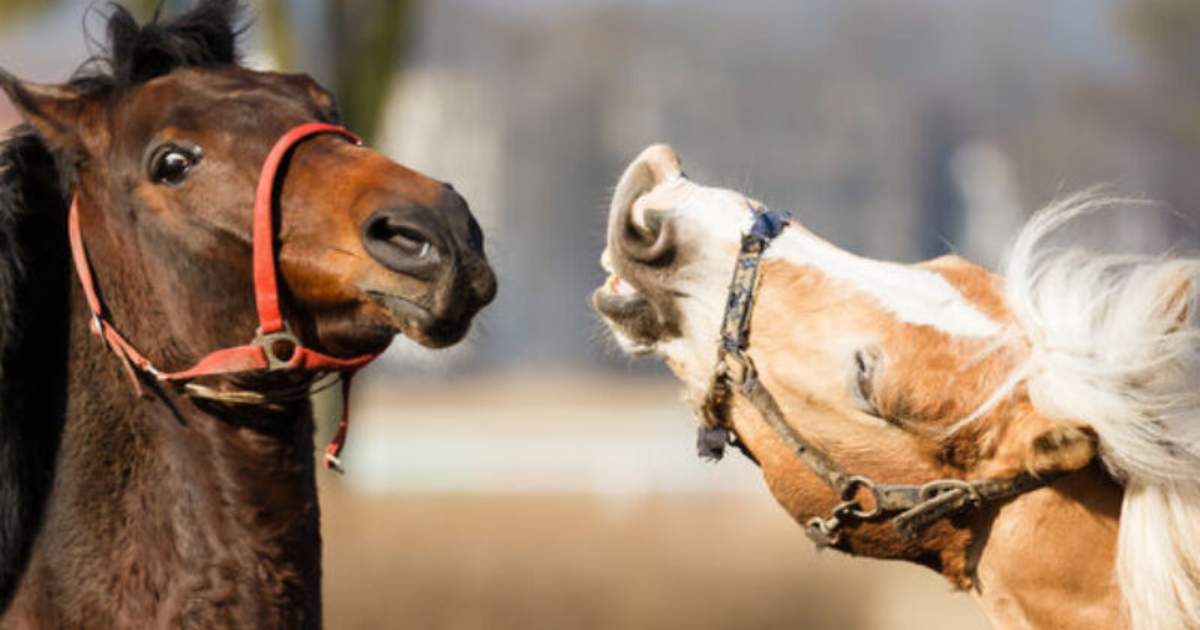
A horse’s ears are one of its most expressive forms of communication. By observing ear position, owners and riders can gain valuable insight into a horse’s emotions, focus, and comfort level. While ear movements should always be interpreted alongside the horse’s overall body language, they provide important clues about what the animal is experiencing.
Learning to recognize these signals can improve safety, strengthen the bond between horse and handler, and help identify stress or discomfort before it escalates.
Why Ear Position Matters
Horses constantly move their ears to gather sounds and communicate their emotional state. Each ear can rotate independently by nearly 180 degrees, allowing horses to monitor their surroundings while signaling their mood.
Watching a horse’s ears can help you determine whether it is relaxed, attentive, curious, anxious, or feeling threatened.
Common Horse Ear Positions
Ears Forward and Upright
When both ears point forward, the horse is usually focused on something in front of it.
This often indicates:
- Curiosity
- Alertness
- Interest in the environment
Forward ears alone are not a sign of aggression. They simply show that the horse’s attention is directed ahead.
Soft, Relaxed Ears to the Sides
When the ears rest gently to each side, the horse is generally calm and comfortable.
This position often means:
- Relaxation
- Low stress
- Contentment
- A relaxed mental state
Many horses stand with softly angled ears while resting or grazing.
Split Attention
Sometimes one ear points forward while the other points backward.
This shows the horse is paying attention to two things at once.
For example, a horse may:
- Watch the trail ahead.
- Listen to its rider.
- Monitor another horse nearby.
This is a common and completely normal behavior.
Rapid Ear Swiveling
When the ears move quickly in different directions, the horse is actively processing sounds.
This may occur when the horse is:
- Exploring a new environment
- Hearing unfamiliar noises
- Assessing possible danger
- Remaining highly alert
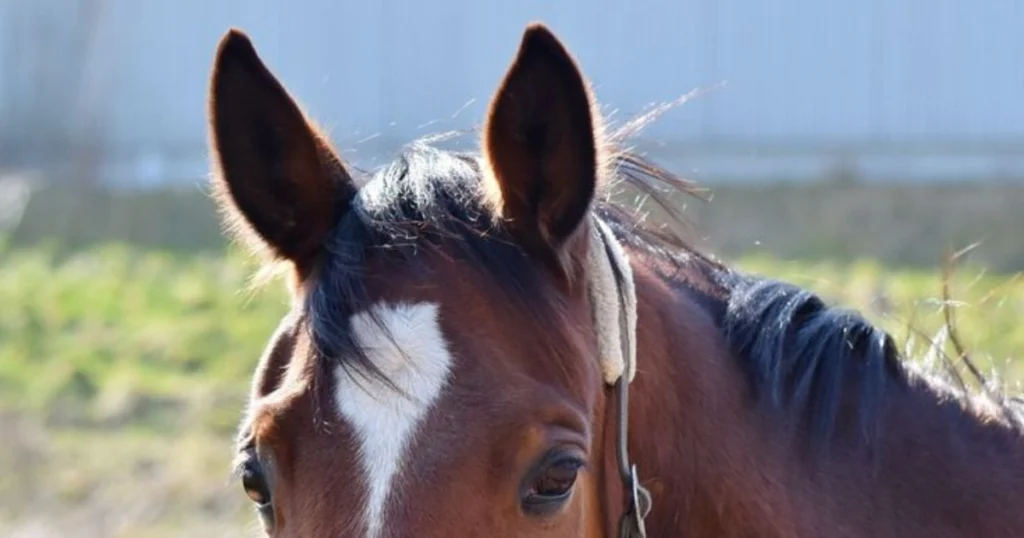
Rapid ear movement isn’t necessarily a sign of fear—often it simply reflects heightened awareness.
Ears Turned Back but Relaxed
When the ears are gently turned backward without being tightly pinned, the horse is often listening to something behind it.
This commonly occurs when:
- Listening to the rider
- Responding to another horse
- Paying attention to sounds from behind
The horse usually remains calm in this position.
Pinned Flat Against the Neck
Ears pinned tightly against the neck are one of the clearest warning signals horses display.
This often indicates:
- Anger
- Irritation
- Fear
- Pain
- Defensive behavior
A horse showing pinned ears may be warning another horse or person to stay away.
Always observe the rest of the horse’s body language before approaching.
Reading the Whole Horse
Ear position should never be interpreted by itself.
Also observe:
- Eye expression
- Head position
- Tail movement
- Facial muscles
- Overall posture
- Muscle tension
These signals together provide a much more accurate understanding of the horse’s emotional state.
Tips for Horse Owners and Riders
To better understand your horse:
- Observe ear movements during daily handling.
- Watch for changes in familiar situations.
- Notice patterns while grooming, riding, and feeding.
- Respect warning signals before they escalate.
- Build trust through calm, consistent handling.
Common Mistakes
Avoid these misunderstandings:
- Assuming forward ears always mean happiness.
- Thinking every backward ear position indicates aggression.
- Ignoring the rest of the horse’s body language.
- Approaching a horse with pinned ears without assessing the situation.
- Overlooking pain as a possible cause of unusual ear positions.
Frequently Asked Questions
Do horses move each ear independently?
Yes. Horses can rotate each ear separately, allowing them to monitor different sounds at the same time.
Are pinned ears always a sign of aggression?
Not always. While pinned ears often serve as a warning, they may also indicate pain, discomfort, fear, or frustration.
Why does my horse keep one ear on me?
This usually means your horse is listening to you while remaining aware of its surroundings.
Can ear position indicate illness?
Changes in ear posture alone do not diagnose illness, but unusual behavior combined with other signs of discomfort may warrant veterinary evaluation.
Should I rely only on ear position?
No. Ear movements should always be interpreted together with the horse’s overall body language and the surrounding situation.
Related Reading
You may also enjoy:
- Understanding Horse Body Language
- Common Horse Behaviors Explained
- Signs Your Horse Is Relaxed or Stressed
- Essential Horse Care Tips for Beginners
Conclusion
A horse communicates constantly through its ears, offering valuable clues about its attention, emotions, and comfort. By learning to recognize common ear positions and considering them alongside the horse’s overall body language, owners and riders can improve communication, strengthen trust, and create safer interactions.
Understanding these subtle signals is an important part of responsible horse care and helps build a stronger partnership between horse and human.
Primary keyword: horse ear positions
Related keywords: horse body language, horse communication, horse behavior, equine body language, horse ears meaning, understanding horses, horse care, equine behavior
Meta description: Learn what different horse ear positions mean and how to interpret equine body language. Discover how horses communicate through their ears, recognize signs of relaxation or stress, and improve your understanding of horse behavior.