
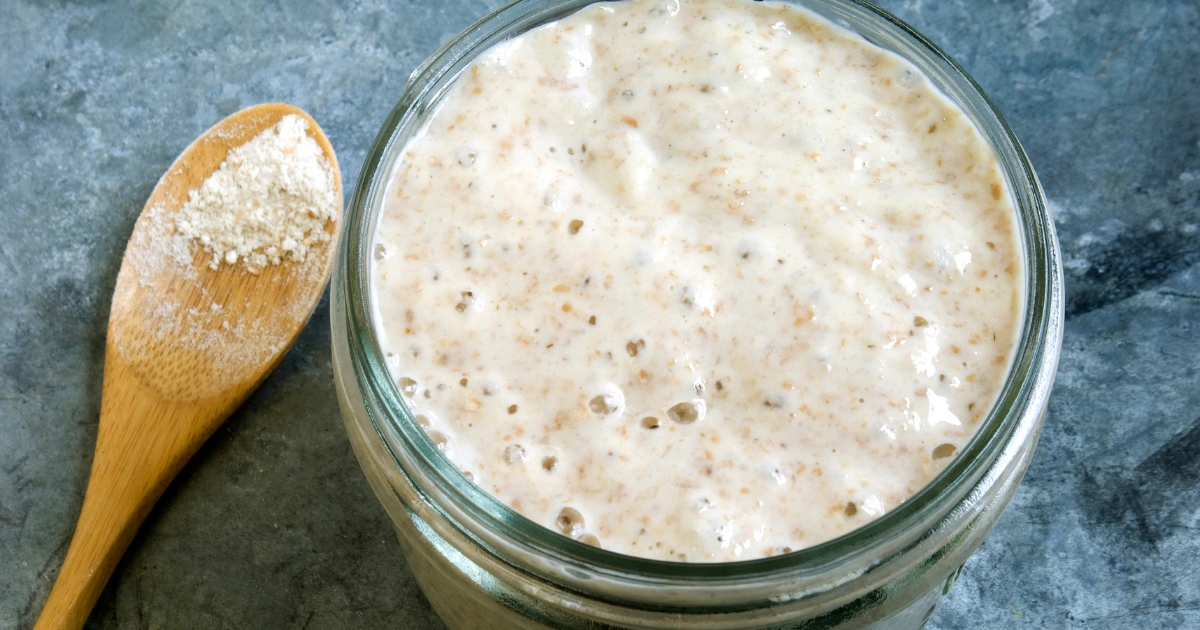
Sourdough baking has experienced a major revival in recent years, with home bakers discovering the unique flavor, texture, and science behind naturally fermented bread. At the center of every successful sourdough loaf is the sourdough starter — a living culture of wild yeast and beneficial bacteria that transforms simple flour and water into active fermentation.
Although a sourdough starter may appear simple, it is actually a complex microbial ecosystem. Understanding what happens inside the jar can help bakers maintain healthier starters, improve bread quality, and troubleshoot common problems more effectively.
What Is a Sourdough Starter?
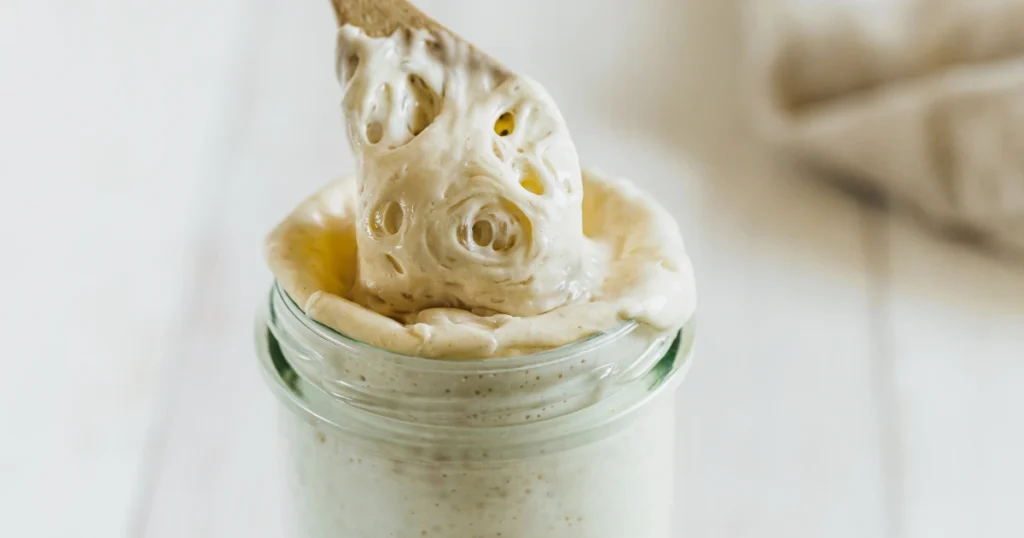
A sourdough starter is a naturally fermented mixture of:
- Flour
- Water
- Wild yeast
- Lactic acid bacteria
Unlike commercial yeast breads, sourdough relies on naturally occurring microorganisms to create rise, flavor, and texture.
When flour and water are combined and fed regularly, beneficial microbes begin multiplying and establishing a stable fermentation environment.
What Lives Inside a Sourdough Starter?
A healthy starter contains two major groups of microorganisms:
Wild Yeast
Wild yeast naturally exists:
- In flour
- In the environment
- On surfaces
- In the air
These yeasts consume sugars and release:
- Carbon dioxide
- Alcohol
The carbon dioxide creates the bubbles and rise that make bread light and airy.
Common wild yeast groups found in starters include:
- Saccharomyces
- Kazachstania
Lactic Acid Bacteria
Lactic acid bacteria work alongside yeast and are equally important.
These bacteria produce:
- Lactic acid
- Acetic acid
These acids:
- Create sour flavor
- Improve preservation
- Strengthen dough structure
- Help control harmful microbes
The most common bacteria belong to the Lactobacillus family.
Why Sourdough Starter Bubbles
Bubbles form when microorganisms ferment carbohydrates found in flour.
During fermentation:
- Yeast consumes sugars
- Carbon dioxide gas forms
- Gas becomes trapped
- The starter expands
A bubbly starter is usually a sign of active fermentation.
The Stages of a New Starter
New starters often follow predictable growth stages.
Day 1: Minimal Activity
At first:
- Flour hydrates
- Microbes begin competing
- Little visible change occurs
Day 2: Early Bubbles
Some bubbling may appear as early bacteria and microbes activate.
At this stage:
- Activity can seem strong temporarily
- Smell may change rapidly
Day 3–4: Strong Fermentation
The starter often becomes very active.
You may notice:
- Expansion
- Strong aroma
- Increased bubbling
Day 5–7: Stabilization
The microbial balance begins stabilizing.
Healthy signs include:
- Predictable rise
- Pleasant sour aroma
- Consistent bubbling
- Reliable fermentation
Why Flour Type Matters
Different flours affect fermentation speed and flavor.
White Flour
Characteristics:
- Faster fermentation
- Mild flavor
- Less mineral content
Whole Wheat Flour
Characteristics:
- More nutrients
- Faster microbial growth
- More complex flavor
Rye Flour
Characteristics:
- Extremely active fermentation
- High enzyme content
- Strong microbial support
Many bakers use rye flour to strengthen sluggish starters.
What Makes Sourdough Taste Sour?
The sour flavor comes primarily from acids produced by bacteria.
Lactic Acid
Creates:
- Mild tanginess
- Yogurt-like flavor
Acetic Acid
Creates:
- Sharper sourness
- Vinegar-like notes
The balance depends on:
- Hydration
- Temperature
- Feeding schedule
- Fermentation time
How Temperature Affects Starter Activity
Temperature strongly influences microbial growth.
Warm Temperatures
Encourage:
- Faster fermentation
- More yeast activity
- Quicker rise
Cooler Temperatures
Encourage:
- Slower fermentation
- More acid development
- Stronger sour flavor
Most starters thrive around:
- 70°F to 78°F (21°C to 26°C)
Why Feeding Matters
A starter must be fed regularly because microorganisms consume available nutrients over time.
Feeding provides:
- Fresh carbohydrates
- New minerals
- Hydration balance
Without feeding:
- Acidity increases excessively
- Yeast weakens
- Fermentation slows
Common Feeding Ratios
Many bakers use:
- 1:1:1 ratio
- 1 part starter
- 1 part water
- 1 part flour
Larger feedings can reduce acidity and encourage stronger yeast growth.
What Is “Discard”?
During feeding, part of the starter is removed before adding fresh flour and water.
Discarding helps:
- Prevent overgrowth
- Maintain balance
- Control acidity
- Keep manageable starter size
Discard can also be used in:
- Pancakes
- Crackers
- Muffins
- Waffles
Why Starters Sometimes Smell Strange
A developing starter can produce unusual aromas.
Common smells include:
- Yogurt
- Fruit
- Vinegar
- Cheese
- Beer
These odors reflect changing microbial populations during fermentation.
Signs of a Healthy Starter
Healthy starters usually:
- Double after feeding
- Smell pleasantly sour
- Show visible bubbles
- Rise predictably
Texture should appear:
- Aerated
- Elastic
- Active
Signs of an Unhealthy Starter
Potential warning signs include:
- Pink or orange discoloration
- Fuzzy mold
- Rotten smell
- Complete inactivity
Contaminated starters should be discarded immediately.
Why Sourdough Bread Lasts Longer
The acids produced during fermentation help inhibit spoilage organisms.
This can:
- Improve shelf life
- Slow mold growth
- Preserve freshness naturally
Traditional sourdough often keeps longer than commercially yeasted bread.
The Role of Fermentation in Bread Texture
Fermentation affects:
- Crumb structure
- Chewiness
- Air pockets
- Crust formation
Longer fermentation typically produces:
- Better flavor
- Improved texture
- Greater dough extensibility
Does Sourdough Affect Digestion?
Research suggests fermentation may:
- Break down some carbohydrates
- Alter gluten structure
- Reduce certain compounds naturally found in grains
However, individual responses vary.