
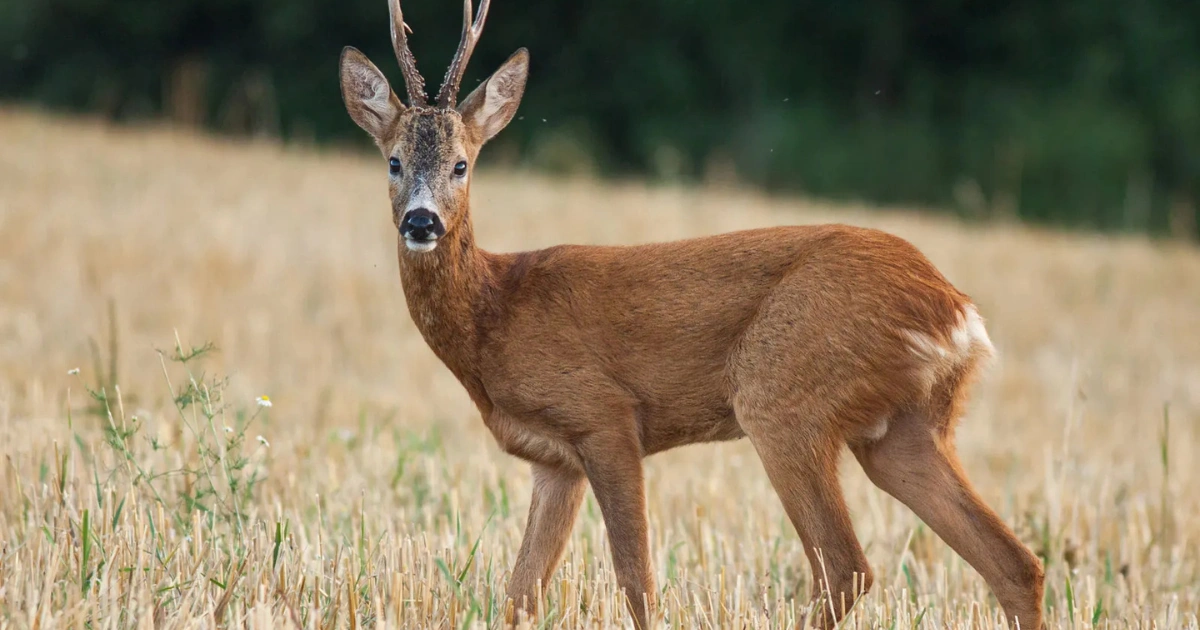
Roe deer are among the most widespread and adaptable deer species across Europe and parts of Asia. Known for their cautious nature and subtle beauty, these animals possess a range of fascinating biological traits that set them apart from other deer species. This guide explores essential roe deer facts, focusing on their behavior, reproduction, communication, and survival strategies.
Understanding roe deer provides insight into how wildlife adapts to changing environments while maintaining balance within ecosystems.
What Makes Roe Deer Unique?
Roe deer (Capreolus capreolus) are relatively small compared to other deer species, yet they are highly resilient. They thrive in forests, farmland edges, and open landscapes, demonstrating remarkable flexibility in habitat selection.
Key characteristics include:
- Compact body and agile movement
- Excellent hearing and awareness
- Strong survival instincts
- Adaptability to both rural and semi-urban environments
These traits make roe deer one of the most successful deer species in their range.
Roe Deer Facts About Reproduction
Delayed Implantation
One of the most unusual roe deer facts is their reproductive strategy.
- Mating occurs during summer
- The fertilized egg does not immediately develop
- Embryo growth pauses for several months
This process, known as delayed implantation, ensures that fawns are born in spring when conditions are more favorable for survival.
Birth and Early Survival
Newborn roe deer rely heavily on natural defenses.
- Fawns are born with spotted coats for camouflage
- They remain hidden in tall grass during early weeks
- Minimal scent reduces detection by predators
This strategy increases their chances of survival during the most vulnerable stage of life.
Behavior and Communication
Roe Rings During Mating Season
During the rut, roe deer exhibit a distinctive behavior.
- Males chase females in tight circles
- This creates visible tracks often called “roe rings”
- These patterns are commonly found in grassy areas
This behavior is part of the mating process and can leave clear marks in the landscape.
Vocal Signals and Warning Calls
Roe deer are generally quiet animals but communicate when necessary.
- They produce a sharp, barking sound when alarmed
- This call alerts other deer to potential danger
- Vocalization is used sparingly to avoid attracting predators
Their communication style reflects their cautious nature.
Regional Variations in Calls
Some roe deer populations display differences in vocal patterns.
- Sounds may vary depending on geographic location
- These variations can be considered regional “dialects”
- Adaptation to environment may influence communication
This subtle variation highlights their behavioral flexibility.
Physical Adaptations
Antler Cycle Differences
Roe deer have a unique antler cycle compared to many other deer species.
- Antlers are shed in autumn
- Regrowth begins during winter
- Fully developed antlers appear before the next mating season
This timing differs from larger deer species, where antlers are typically shed later.
No Visible Tail
Another interesting roe deer fact is their lack of a noticeable tail.
- Instead of a long tail, they have a white rump patch
- This patch becomes more visible when they are startled
- It acts as a visual signal to other deer
This adaptation enhances communication without relying on sound.
Habitat and Lifestyle
Roe deer are highly adaptable and can be found in various environments.
Common habitats include:
- Deciduous and mixed forests
- Agricultural fields and hedgerows
- Grasslands and open countryside
Their ability to live near human activity has allowed them to maintain stable populations in many regions.
Why Roe Deer Matter in Ecosystems
Roe deer play an important role in maintaining ecological balance.
Vegetation Control
They feed on a variety of plants, helping regulate vegetation growth.
Food Source for Predators
They are prey for large carnivores, contributing to the food chain.
Biodiversity Influence
Their browsing behavior shapes plant diversity and forest structure.
Understanding these roles highlights their ecological importance.
Tips for Observing Roe Deer in the Wild
If you want to observe roe deer responsibly, consider these tips:
- Visit early in the morning or at dusk
- Move quietly and avoid sudden movements
- Keep a safe distance
- Use binoculars for better viewing
- Respect their habitat and avoid disturbance
Patience and awareness increase the chances of a successful sighting.
FAQ About Roe Deer Facts
What is delayed implantation in roe deer?
It is a reproductive strategy where embryo development pauses after mating, allowing birth to occur at a favorable time.
Why do roe deer bark?
They produce a barking sound as a warning signal when they sense danger.
When are roe deer fawns born?
Fawns are typically born in late spring, when food is abundant and temperatures are milder.
Do roe deer migrate?
Roe deer generally do not migrate but may adjust their range slightly based on seasonal conditions.
How can you identify roe deer tracks?
Look for small hoof prints and circular patterns known as roe rings during the mating season.
Internal Linking Suggestions
For related content on secretsofthegreengarden.com, consider linking to:
- “How to Create a Wildlife-Friendly Garden”
- “Best Natural Habitats to Attract Wild Animals”
- “Simple Ways to Support Backyard Biodiversity”
These topics align with wildlife observation and habitat conservation.
External Resources for Further Reading
For authoritative and research-based information, explore:
- British Deer Society: https://bds.org.uk
- International Union for Conservation of Nature (IUCN): https://www.iucn.org
- European Environment Agency: https://www.eea.europa.eu
Conclusion
Roe deer are quiet, intelligent, and highly adapted animals with unique traits that set them apart from other deer species. From their unusual reproductive cycle to their subtle communication methods, these roe deer facts reveal a species built for survival in diverse environments.
By understanding their behavior and respecting their habitats, we can better appreciate their role in nature and contribute to the preservation of wildlife ecosystems.