
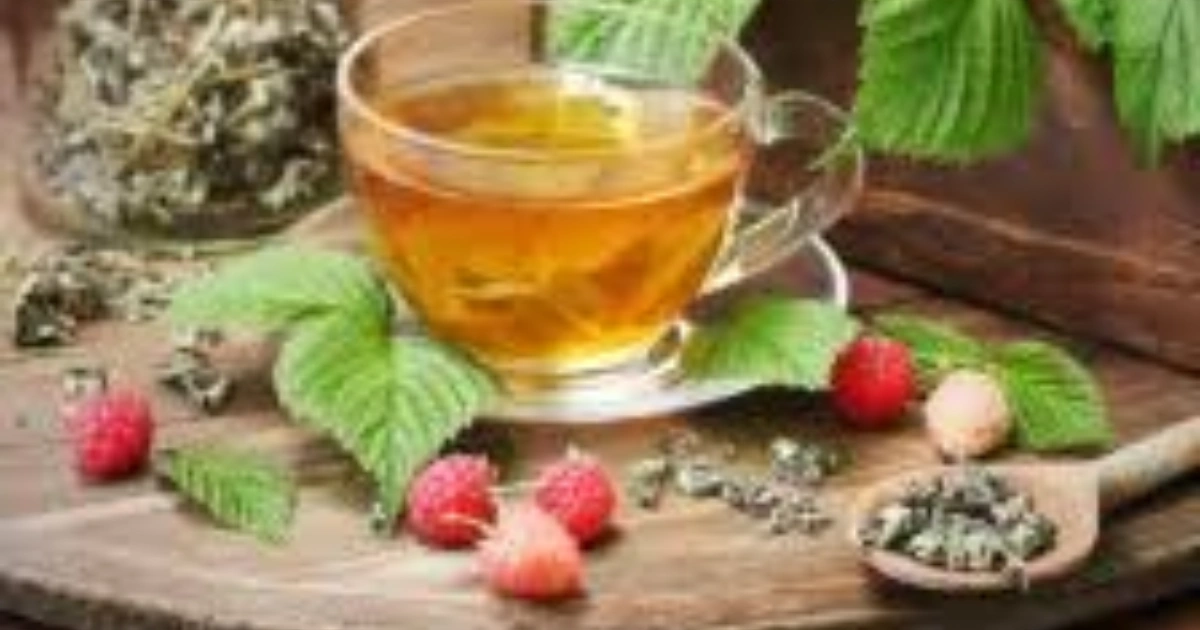
Raspberry leaf, often overshadowed by the bright red fruit of the raspberry bush, is a powerhouse of nutrients and traditional healing properties. Used for centuries in herbal medicine, especially by women, this leafy remedy is making a comeback in natural wellness circles. From hormone balance to digestive aid, raspberry leaves offer a broad spectrum of benefits for both men and women.
🌱 30 Benefits of Raspberry Leaf
- Eases Menstrual Cramps – Helps relax the uterus and ease painful cramps.
- Balances Hormones – Supports reproductive hormone balance, especially in women.
- Supports Fertility – Traditionally used to tone the uterus for improved fertility.
- Reduces Heavy Bleeding – May help reduce excessive menstrual flow.
- Shortens Labor – Believed to make labor faster and more efficient when consumed late in pregnancy.
- Eases Morning Sickness – Can help soothe nausea during early pregnancy.
- Supports Postpartum Recovery – Helps tone the uterus and reduce bleeding after childbirth.
- Rich in Nutrients – Contains calcium, magnesium, iron, and vitamins A, C, and E.
- Improves Digestion – Mild astringent effect helps with bloating and diarrhea.
- Soothes Sore Throats – Used as a gargle or tea to calm throat irritation.
- Anti-Inflammatory Properties – Can help reduce internal and external inflammation.
- Strengthens the Uterus – Tones uterine muscles over time.
- Relieves Diarrhea – Astringent action can tighten tissues and reduce fluid loss.
- Improves Skin Health – Antioxidants support clear and healthy skin.
- Boosts Immunity – The vitamin C content helps boost the immune response.
- Lowers Blood Sugar – May help regulate blood glucose naturally.
- Supports Heart Health – Contains potassium and antioxidants beneficial for the heart.
- Enhances Iron Absorption – Vitamin C helps increase iron uptake from food.
- Eases Mouth Ulcers – Can be used as a rinse to reduce irritation and promote healing.
- Alleviates Joint Pain – Anti-inflammatory compounds may ease mild joint discomfort.
- Regulates Bowel Movements – Balances digestion and eases constipation.
- Mild Diuretic – Promotes healthy urination and kidney function.
- Helps with Hot Flashes – Can support hormonal regulation during menopause.
- Supports Healthy Pregnancy – Tones uterus and provides essential nutrients.
- Helps with Acne – Reduces inflammation and helps detox the body.
- Reduces PMS Symptoms – Eases irritability, bloating, and discomfort.
- Prevents Anemia – Iron content helps maintain healthy red blood cells.
- Strengthens Hair and Nails – Nutrients support healthy growth.
- Soothes Minor Burns and Cuts – Used externally to speed up healing.
- Calms Nerves – Contains magnesium, which may help reduce anxiety and stress.
🍵 How to Use Raspberry Leaf
1. Raspberry Leaf Tea (Most Popular Method)
How to prepare:
- Add 1–2 teaspoons of dried raspberry leaves to a cup of boiling water.
- Steep for 10–15 minutes.
- Strain and enjoy warm.
When to use:
- Drink 1–3 cups per day. Many women drink it daily in the second and third trimesters of pregnancy (only with a doctor’s approval).
- Can also be used year-round as a general wellness tonic.
2. Herbal Tincture
How to prepare:
- Raspberry leaves can be steeped in alcohol (like vodka) for several weeks to make a tincture.
- Use a dropper to take 10–30 drops daily, diluted in water or tea.
Best for:
- Fast absorption for hormone balance, PMS, and stress support.
3. Powdered Raspberry Leaf
How to prepare:
- Dry the leaves fully and grind into a fine powder using a clean coffee grinder.
- Add to smoothies, capsules, or sprinkle over food.
Best for:
- Convenient daily nutrition boost, especially for hair, nails, and skin support.
4. Raspberry Leaf Compress
How to prepare:
- Brew strong raspberry leaf tea.
- Soak a clean cloth in the liquid and apply to cuts, scrapes, burns, or irritated skin.
Best for:
- Skin wounds, burns, and inflammation.
5. Gargle or Mouth Rinse
How to prepare:
- Let tea cool to room temperature and use as a gargle for sore throats or ulcers.
Best for:
- Oral health, sore throats, and mouth ulcers.
6. Raspberry Leaf Bath Soak
How to prepare:
- Add a few handfuls of dried raspberry leaves to a cloth bag or directly into a warm bath.
- Let it steep for 10–15 minutes.
Best for:
- Full-body relaxation, soothing menstrual cramps, postpartum care, or skin irritation.
7. Raspberry Leaf Capsules
How to use:
- Purchase or make your own raspberry leaf capsules for easier daily intake.
Best for:
- People who don’t enjoy the tea or want portable convenience.
Raspberry leaf is more than just a pregnancy tea—it’s a mineral-rich herbal remedy with a wide range of uses. From internal hormonal support to external skin healing, it truly earns its place in natural wellness traditions. However, as with all herbs, consult a healthcare provider if pregnant, nursing, or taking medications.
Herbal Remedies for Women’s Health – Discover more about the benefits of herbal remedies like raspberry leaf for women’s health here.
The Benefits of Herbal Tinctures – Learn about the advantages of using herbal tinctures, including raspberry leaf tinctures, for quick absorption here.
How to Make Herbal Tea at Home – Explore the process of making herbal teas, including raspberry leaf tea, at home here.