
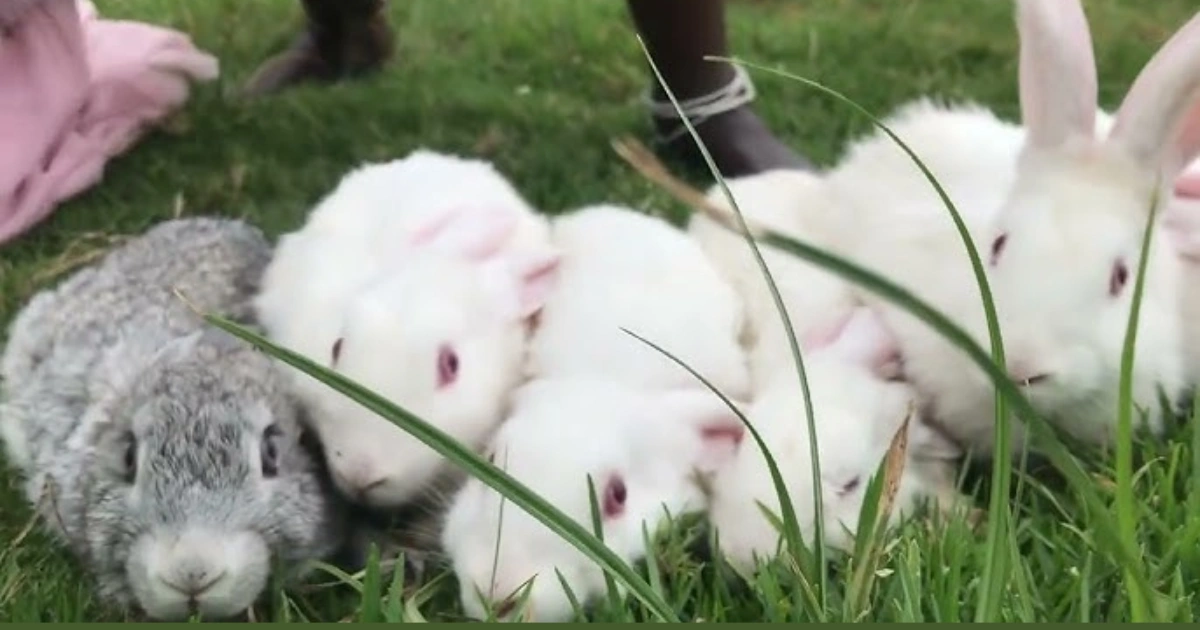
Keeping rabbits in your garden can be both rewarding and practical. These gentle animals bring joy to the family, help maintain your lawn, and even produce nutrient-rich manure that can boost your vegetable garden. With the right setup and care, your rabbits can thrive in a safe, healthy, and enriching environment.
Choosing Between Free-Range and Enclosure Housing
While some rabbit owners opt for free-range areas, an enclosed space is generally safer. A secure pen prevents escapes and offers protection from predators.
Before introducing rabbits to their new space:
- Remove any sharp objects, gravel, glass, or hazardous debris.
- Make sure the fencing is sturdy and the ground is free from toxic plants.
Building the Perfect Rabbit Shelter
A rabbit hutch should be spacious, comfortable, and weather-protected.
Recommended dimensions: 100 cm high, 90 cm wide, and 60 cm deep.
Essential features include:
- Protection from wind, moisture, and predators such as foxes, cats, and dogs.
- A dry straw bedding layer for comfort and insulation.
- Bowls for water and food, fresh hay, and access to a shaded outdoor area.
Choosing the Right Location for the Hutch
Where you place the rabbit shelter is just as important as its design.
- Choose a spot shielded from wind, with extra straw bedding in winter.
- Maintain a minimum temperature of 15°C, especially for smaller breeds.
- Elevate the shelter on a slope to prevent waterlogging and dampness.
- Provide access to both sunny and shaded zones for temperature regulation.
- Raise the floor to discourage rabbits from digging escape tunnels.
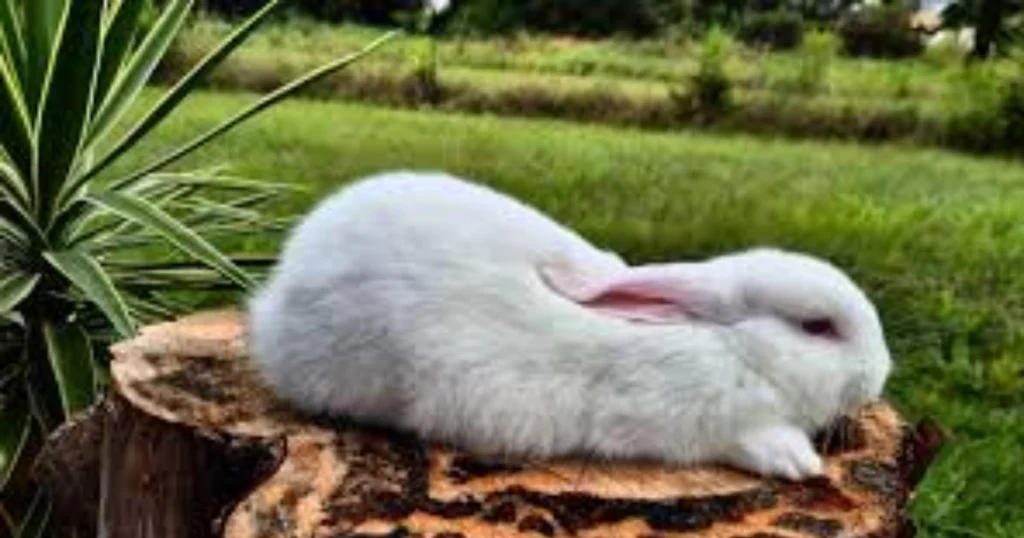
Feeding Your Rabbits a Healthy Diet
Rabbits are herbivores and thrive on a balanced mix of:
- Hay, fresh herbs, tender shoots, and leafy greens.
- Seasonal vegetables and fruits such as carrots, radishes, cress, asparagus, celery, clover, and dandelion leaves.
Avoid feeding:
- Lettuce, broccoli, artichokes, and peas, which can cause digestive issues.
- Any food contaminated with pesticides or insecticides.
Always provide fresh, clean water.
Toxic Plants to Avoid
Some plants can be deadly to rabbits. Keep these out of their reach:
- Lily of the valley, ferns, daffodils, laurel, yew, poppies, and holly.
- All chemical-treated plants.
Protecting Rabbits from Predators
Wild and domestic predators pose a significant risk to outdoor rabbits.
- Bring rabbits indoors at night or use fencing buried 40–50 cm deep to prevent digging.
- Narrow entryways to make it harder for large predators to access the enclosure.
Turning Rabbit Manure into Garden Fertilizer
Rabbit droppings are a natural, slow-release fertilizer rich in nitrogen, phosphorus, and potassium. Unlike many animal manures, rabbit manure can be applied directly to garden soil without composting, making it ideal for vegetable beds and flower borders.
FAQ
Q1: Can rabbits live outdoors year-round?
Yes, but they need weather protection, extra bedding in winter, and shade in summer. Extreme temperatures can be harmful.
Q2: How much space do rabbits need?
Each rabbit should have at least 1 m² of space in the hutch and access to a larger run for exercise.
Q3: How often should I clean the hutch?
Remove soiled bedding daily and perform a full clean weekly to maintain hygiene.
Q4: Can I keep different rabbit breeds together?
Yes, as long as they are introduced gradually and monitored for aggression.
Q5: Is rabbit manure safe for all plants?
Yes, it’s safe for most plants and can be applied fresh, but avoid placing it directly on delicate seedlings.
Internal Linking Suggestions from secretsofthegreengarden.com
- How to Build a Predator-Proof Garden Enclosure
- Natural Fertilizers You Can Make at Home
- Beginner’s Guide to Small Animal Care in the Garden
External Link Suggestions
- House Rabbit Society – Housing and Care
- Royal Society for the Prevention of Cruelty to Animals – Rabbit Care Advice
- The Humane Society – Rabbit Housing and Safety
Main Keyword: raising rabbits in your backyard
LSI/NLP Keywords Used: backyard rabbit care, rabbit hutch design, rabbit diet, predator protection for rabbits, toxic plants for rabbits, rabbit manure fertilizer, natural rabbit care, outdoor rabbit housing
If you’d like, I can also make a more curiosity-driven, SEO-friendly title for this article to boost clicks and engagement. Would you like me to prepare that?
Demander à ChatGPT