
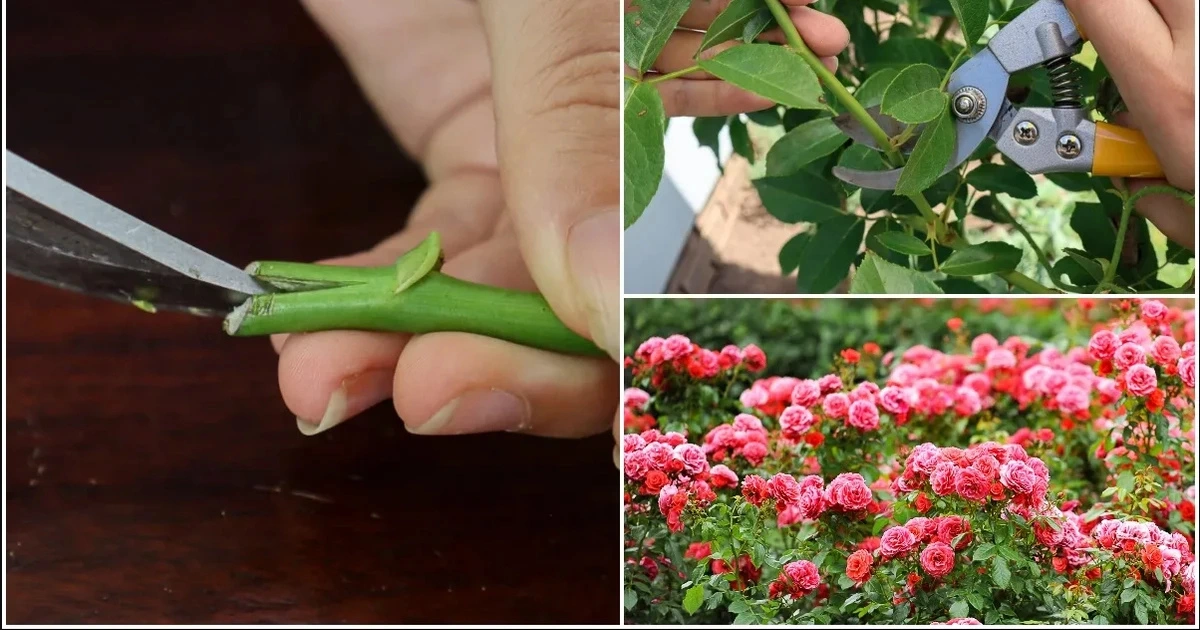
Propagating roses from cuttings is an inexpensive and rewarding way to multiply your favorite varieties. Instead of purchasing new plants, you can transform a single healthy stem into a flourishing rose bush that will bloom year after year. This method is perfect for both beginners and experienced gardeners, and it works whether you’re growing roses in garden beds or containers.
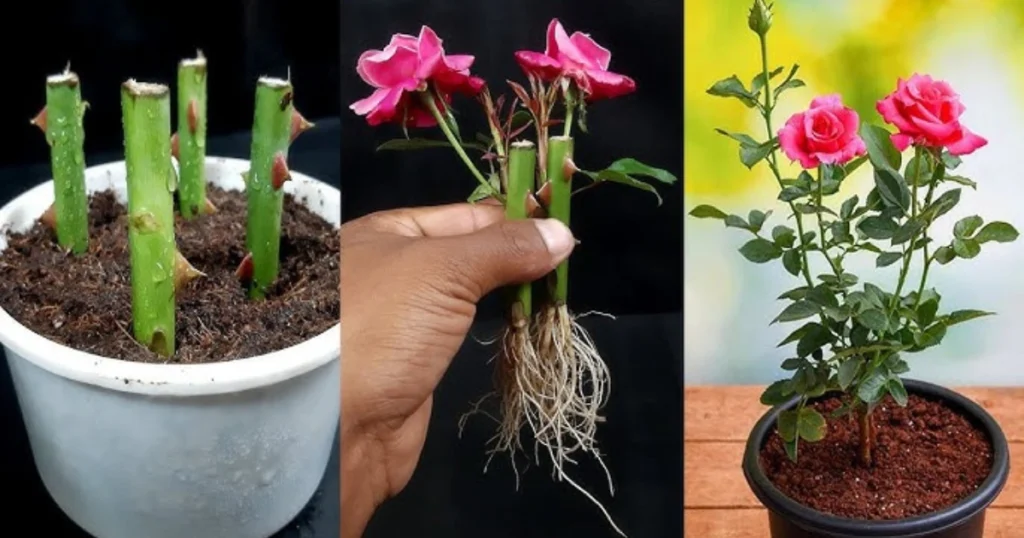
Why Grow Roses from Cuttings?
Growing roses from cuttings allows you to:
- Preserve the unique characteristics of a beloved rose variety.
- Expand your garden without purchasing new plants.
- Enjoy a hands-on gardening project that yields visible results.
- Share plants with friends and family.
By following the right steps, you can achieve strong root development and healthy, long-lasting plants.
Materials You’ll Need
To ensure success, gather the following materials before starting:
- Healthy rose cuttings, 6–8 inches (15–20 cm) long
- Clean, sharp pruning shears
- Rooting hormone powder or gel (optional but recommended)
- Small pots or planting containers
- Light, well-draining soil mix (peat, perlite, vermiculite blend)
- Clear plastic bags or small cloches
- Watering can or spray bottle
- Quality potting soil for transplanting later
Step-by-Step Process for Growing Roses from Cuttings
1. Choose and Cut the Right Stem
Select a healthy, pest-free stem from a mature rose plant.
Cut just below a node, ensuring there are at least two to three sets of leaves on the cutting. Morning is the best time to take cuttings, when the plant is well-hydrated.
2. Prepare the Cutting
Remove the lower leaves and any flower buds or blooms. This helps direct the plant’s energy toward root formation.
Dip the cut end in rooting hormone to encourage faster, stronger root growth.
3. Prepare the Pot and Soil
Fill your chosen container with a light, well-draining mix.
Avoid heavy garden soil that can hold excess moisture and cause rot. Make a hole in the center to insert the cutting without scraping off the rooting hormone.
4. Plant the Cutting
Insert the prepared cutting into the hole, burying at least half its length.
Press the soil gently around the stem to hold it in place. Water lightly to settle the soil.
5. Create a Humid Environment
Cover the cutting with a clear plastic bag or cloche to trap humidity.
Place the pot in a bright spot with indirect sunlight. Too much direct sun can cause heat stress, while too little light will slow rooting.
6. Maintain Moisture and Airflow
Keep the soil moist but not soggy.
Mist the cutting regularly to maintain humidity. Remove the cover for a few minutes daily to allow fresh air circulation and prevent mold growth.
7. Watch for Root Growth
In four to six weeks, check for new leaf growth—a sign that roots are developing.
You can gently tug the cutting to feel for resistance, which indicates root anchoring.
8. Transplanting the Rooted Cutting
Once roots are established, move the young rose into a larger pot or directly into your garden.
Enrich the soil with compost to provide long-term nutrition.
9. Provide Ongoing Care
Water regularly, allowing the top inch of soil to dry slightly between waterings.
Roses thrive with at least 6–8 hours of direct sunlight each day.
10. Pruning and Plant Health
Remove any dead or diseased branches promptly.
Inspect regularly for pests such as aphids or spider mites, and treat early if detected.
11. Encouraging Blooms
Remove spent flowers to encourage repeat blooming.
With proper care, your cutting will grow into a robust rose bush, rewarding you with vibrant blooms and fragrance.
Tips for Better Success
- Use semi-hardwood cuttings from stems that are mature but not overly woody.
- Avoid fertilizing until roots are established, as this can burn tender new roots.
- If propagating outdoors, start in spring or early summer when temperatures are mild.
Frequently Asked Questions
1. How long does it take for rose cuttings to root?
Most rose cuttings develop roots within 4–8 weeks, depending on environmental conditions and variety.
2. Can I grow roses from cuttings in water?
Yes, but water-grown cuttings may produce weaker roots. Transitioning them to soil early can improve success rates.
3. What is the best time of year to take rose cuttings?
Spring and early summer are ideal, as plants are actively growing and have plenty of energy for root development.
4. Do I need rooting hormone for rose cuttings?
While not essential, rooting hormone can significantly improve success rates, especially for beginner gardeners.
5. How soon will a rose cutting bloom?
If well cared for, some cuttings may bloom within the first year, though stronger blooms typically appear in the second season.
Internal Linking Suggestions (secretsofthegreengarden.com)
- How to Fertilize a Rose Bush Without Overfeeding It
- Best Companion Plants for Roses to Keep Pests Away
- DIY Rose Pest Spray Using Natural Ingredients
External Linking Suggestions
- Royal Horticultural Society: Rose Propagation
- University of California Agriculture: Rose Care Basics
- American Rose Society: Growing Roses
Main Keyword: grow roses from cuttings
LSI/NLP Keywords: rose propagation, rooting roses, how to propagate roses, growing roses in pots, rose cuttings care, rooting hormone for roses, transplanting roses, rose garden tips