Primary Keyword: raised bed gardening
Choosing between raised bed gardening and traditional in-ground planting is one of the first decisions many gardeners face. Both methods can produce healthy vegetables, flowers, and herbs, but they offer different advantages depending on your soil conditions, climate, available space, and gardening goals.
While in-ground gardens have been used for centuries, raised beds have become increasingly popular because they provide greater control over soil quality, drainage, and weed management. Understanding the strengths and limitations of each approach can help you create a more productive and enjoyable garden.
What Is Raised Bed Gardening?
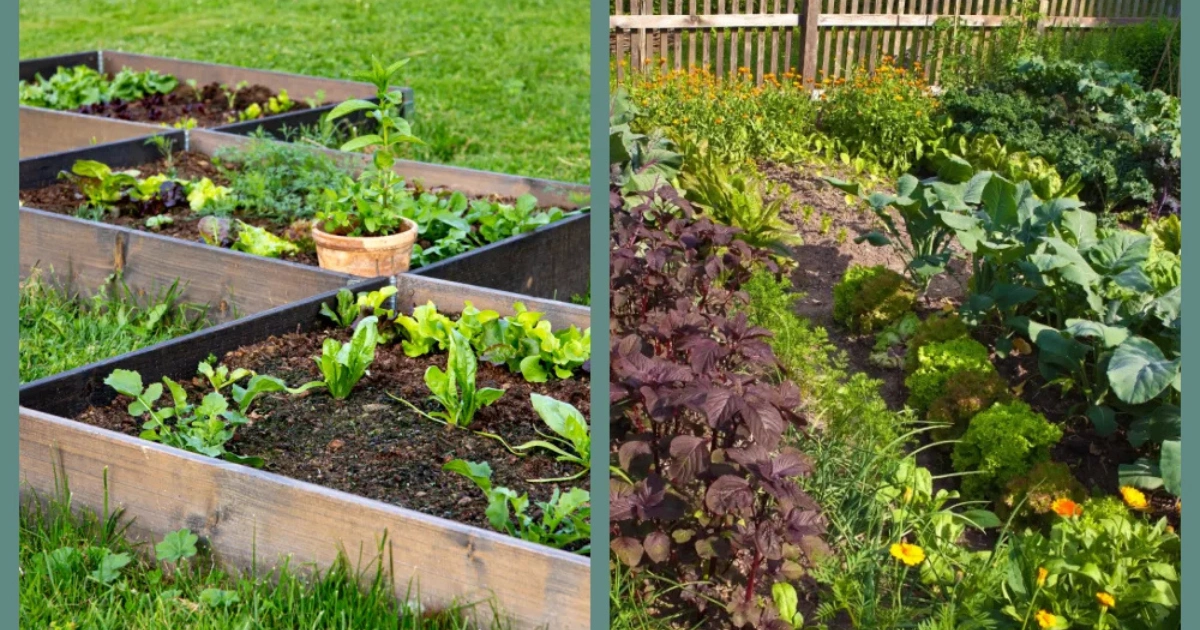
Raised bed gardening involves growing plants in soil contained within a structure that sits above the natural ground level. These beds are commonly built using wood, stone, metal, or composite materials and are filled with a customized soil blend.
Unlike traditional gardens that rely on existing soil conditions, raised beds allow gardeners to create an ideal growing environment from the start.
What Is an In-Ground Garden?
An in-ground garden is planted directly into the native soil already present on the property. This is the traditional method used in farms, home gardens, and community growing spaces worldwide.
Plants develop roots directly into the natural soil profile, which may vary significantly in fertility, drainage, and texture depending on location.
Comparing Raised Beds and In-Ground Gardens
Both gardening methods can be successful, but they perform differently in several important areas.
Soil Quality
Raised Beds
One of the biggest advantages of raised bed gardening is complete control over soil composition.
Gardeners can create a customized blend using:
- Compost
- Topsoil
- Aged manure
- Coconut coir
- Perlite
- Vermiculite
This creates loose, fertile soil that promotes strong root development.
In-Ground Gardens
Native soil quality varies considerably.
Some gardeners are fortunate to have rich loam, while others must deal with:
- Heavy clay
- Sandy soil
- Rocky ground
- Poor fertility
- Compaction
Improving native soil often requires several growing seasons of amendment and organic matter additions.
Drainage Performance
Raised Beds
Raised beds naturally improve drainage because excess water can move downward and away from plant roots.
This makes them particularly valuable in regions with:
- Heavy rainfall
- Clay-rich soils
- Seasonal flooding
- Poorly draining yards
Better drainage helps reduce root diseases and waterlogging.
In-Ground Gardens
Drainage depends entirely on local soil conditions.
Clay soils can remain saturated after rain, restricting oxygen around roots and slowing plant growth.
In naturally well-drained locations, however, in-ground gardens may perform just as well as raised beds.
Soil Temperature and Growing Season
One often-overlooked benefit of raised bed gardening is soil temperature.
Raised Beds Warm Faster
Because raised soil is exposed on multiple sides, it warms more quickly during spring.
Warmer soil encourages:
- Faster seed germination
- Earlier planting dates
- Improved root growth
- Extended growing seasons
This can be especially beneficial in cooler climates.
In-Ground Soil Warms More Slowly
Native soil generally takes longer to heat up after winter, delaying early planting opportunities.
However, during extremely hot summers, in-ground soil may stay cooler and require less frequent watering.
Weed Management
Raised Beds
Raised beds often experience lower weed pressure because gardeners start with clean growing media.
The clearly defined boundaries also make weeding easier and more efficient.
Benefits include:
- Fewer invasive weeds
- Easier maintenance
- Reduced competition for nutrients
In-Ground Gardens
Weeds frequently invade from surrounding soil and nearby areas.
Many gardeners spend a significant portion of the growing season controlling unwanted growth.
Mulching can help reduce this issue but rarely eliminates it completely.
Root Development and Plant Health
Healthy roots are essential for productive plants.
Raised Beds
The loose structure of raised bed soil allows roots to expand freely.
Plants often develop:
- Deeper root systems
- Better nutrient uptake
- Improved drought tolerance
- Stronger overall growth
This can be particularly beneficial for vegetables such as tomatoes, peppers, carrots, and potatoes.
In-Ground Gardens
Root development depends heavily on soil conditions.
Compacted soils may limit root expansion and reduce plant vigor.
Where native soil is healthy and well-structured, however, roots can penetrate deeply and perform exceptionally well.
Water Requirements
A common misconception is that raised beds always require less water.
In reality, they often dry out faster.
Raised Beds
Because they drain efficiently and have more exposed surface area, raised beds may require:
- More frequent watering
- Mulching to conserve moisture
- Irrigation systems during hot weather
In-Ground Gardens
Native soil generally retains moisture longer, especially clay-rich soils.
This can reduce watering frequency in some climates.
Accessibility and Ease of Maintenance
Raised bed gardening is often preferred by gardeners seeking easier access.
Benefits of Raised Beds
- Reduced bending and kneeling
- Better accessibility for older adults
- Cleaner pathways
- More organized layouts
- Easier harvesting
Higher beds can even be designed for wheelchair accessibility.
In-Ground Gardens
Traditional gardens may require more physical effort for planting, weeding, and harvesting.
However, they are often easier and less expensive to establish initially.
Cost Comparison
Raised Beds
Initial expenses may include:
- Lumber or construction materials
- Soil mixes
- Compost
- Irrigation equipment
Although startup costs are higher, many gardeners consider the long-term benefits worthwhile.
In-Ground Gardens
In-ground gardens are usually the most affordable option.
If native soil is already suitable for growing, costs may be limited to:
- Compost
- Fertilizer
- Mulch
- Seeds or plants
Which Crops Perform Best in Raised Beds?
Raised bed gardening is particularly effective for:
- Tomatoes
- Peppers
- Lettuce
- Carrots
- Beets
- Potatoes
- Strawberries
- Herbs
These crops benefit from loose soil, improved drainage, and enhanced root growth.
When In-Ground Gardening Makes More Sense
Traditional gardens may be the better choice when:
- Large growing areas are needed
- Soil quality is already excellent
- Budget is limited
- Water conservation is a priority
- Growing large crops such as corn or pumpkins
Many experienced gardeners successfully combine both methods.
Frequently Asked Questions
Is raised bed gardening better than in-ground gardening?
Neither method is universally better. Raised beds offer superior soil control and drainage, while in-ground gardens are often more economical and may require less watering.
How deep should a raised garden bed be?
Most vegetables grow well in beds that are 10 to 18 inches deep. Root crops may benefit from additional depth.
Do raised beds produce higher yields?
In many cases, yes. Improved soil quality, drainage, and root development can contribute to increased productivity.
Are raised beds worth the extra cost?
For gardeners dealing with poor soil, drainage problems, or limited mobility, raised beds often provide significant benefits that justify the investment.
Can raised beds be placed directly on grass?
Yes. Many gardeners install raised beds directly over grass or lawn areas, often using cardboard underneath to suppress weeds.
Internal Linking Suggestions
For SecretsoftheGreenGarden.com, consider linking to:
- How to Build a Raised Garden Bed on a Budget
- Best Vegetables for Beginner Gardeners
- Composting Basics for Healthier Soil
External Linking Suggestions
For additional authoritative gardening information, consider referencing:
- University of California Agriculture and Natural Resources – Raised Bed Gardening Guide
- University of Minnesota Extension – Soil and Garden Management Resources
- USDA Natural Resources Conservation Service – Soil Health Information
Conclusion
Raised bed gardening offers excellent control over soil quality, drainage, and weed management, making it a popular choice for home gardeners seeking reliable results. Traditional in-ground gardens remain highly effective, especially where native soil is fertile and well-drained. By understanding the strengths of each method, gardeners can choose the approach that best matches their space, budget, and growing goals, ultimately creating a healthier and more productive garden.