Skip to content
Part 1
- Introduction to Purple Deadnettle (300 words)
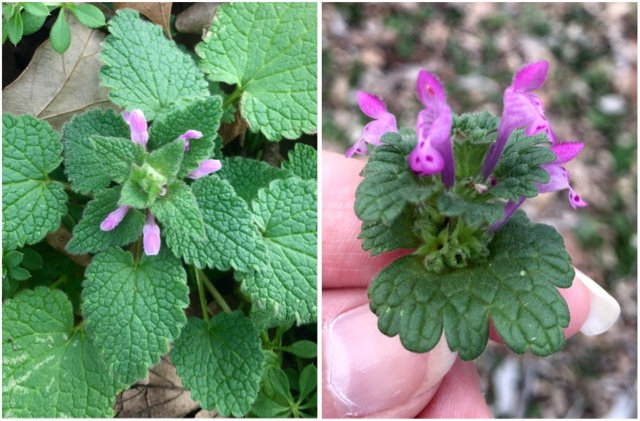
- Overview of the plant and its appearance
- Native regions and spread worldwide
- Common misconceptions (weed vs. useful plant)
- Why it’s becoming popular in herbal and gardening communities
- Identifying Purple Deadnettle Safely (300 words)
- Key identification features: leaves, flowers, stems, texture
- Differences from similar plants like henbit and stinging nettle
- Tips for safe foraging and harvesting
- Importance of correct identification to avoid confusion
- Homemade Uses of Purple Deadnettle (350 words)
- Herbal teas for calming and immunity
- Poultices for burns, wounds, and inflammation
- Infused oils and salves for skin health
- Culinary uses in salads, soups, and smoothies
- Compost and garden mulch applications
Part 2
- 30 Remarkable Benefits of Purple Deadnettle (550 words)
- Detailed list of benefits with explanations, including:
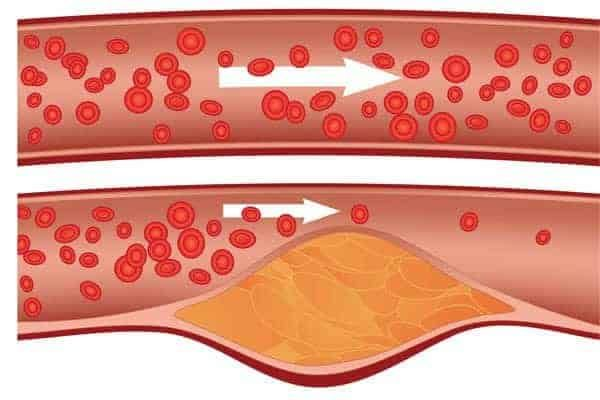
- Liver detox and circulation
- Anti-inflammatory and antimicrobial effects
- Skin healing and burn relief
- Respiratory and allergy support
- Digestive aid and kidney function
- Immune boost and antioxidant richness
- Menstrual cramp relief and joint pain easing
- Hair and eye health support
- Stress reduction and energy improvement
- How to Prepare and Use Purple Deadnettle Safely (300 words)
- Best harvesting practices
- Drying and storage tips
- Preparation methods: teas, poultices, oils, culinary
- Dosage guidelines and precautions
- Consultation recommendations before use
- Seasonal and Regional Considerations (150 words)
- Optimal harvest seasons
- Regional availability and growing tips
- Ecological benefits in gardens
- Tools and Materials Checklist (50 words)
- Fresh or dried purple deadnettle
- Tea infuser or strainer
- Carrier oils (olive, coconut)
- Storage jars and airtight containers
- FAQs Based on People Also Ask (200 words)