
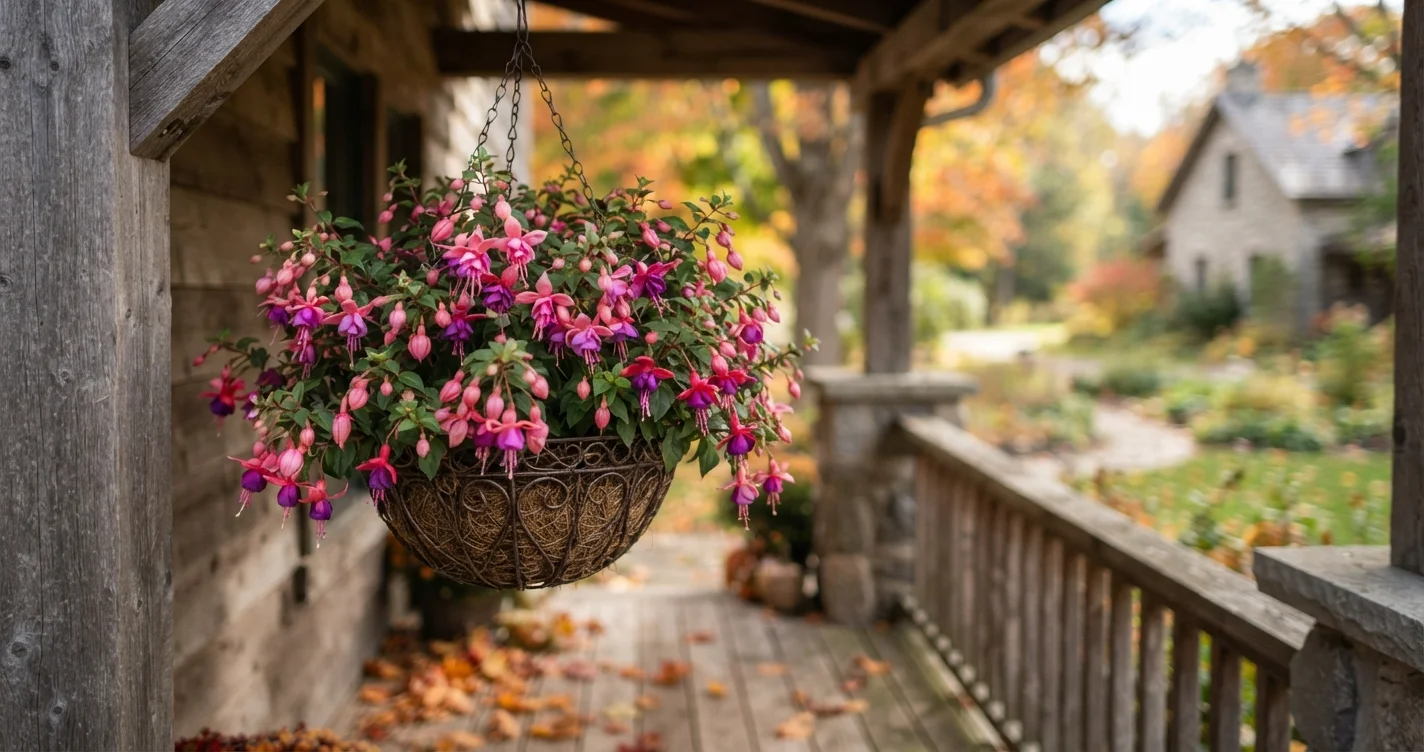
A fuchsia that looks completely lifeless in January can produce an impressive display of colorful flowers the following summer. Behind its bare branches and seemingly dormant appearance, a living root system is quietly waiting for warmer conditions.
Learning how to overwinter fuchsias indoors allows gardeners to preserve their favorite plants without maintaining an actively growing indoor garden throughout the colder months.
Unlike many tropical houseplants that require warmth and consistent light, tender fuchsias can often survive winter in a cool, frost-free environment with minimal watering.
An unheated garage, cool basement, or sheltered storage room may provide everything they need.
The secret is understanding how cooler temperatures influence plant growth and how to maintain healthy roots until spring returns.
Table of Contents
- Why Fuchsias Need Winter Protection
- How to Overwinter Fuchsias Using Cool Storage
- The Science Behind Fuchsia Winter Dormancy
- Preparing Fuchsias for Indoor Winter Storage
- Choosing the Best Winter Storage Location
- How Often to Water Fuchsias During Winter
- Common Fuchsia Overwintering Mistakes
- Bringing Fuchsias Back to Life in Spring
- In Your Own Yard: Growing Fuchsias Year After Year
- Frequently Asked Questions
Why Fuchsias Need Winter Protection
Fuchsias are admired for their elegant, pendulous flowers, often featuring combinations of pink, purple, red, and white.
Their distinctive blooms bring color to shaded patios, hanging baskets, garden borders, and sheltered outdoor spaces.
However, their tolerance of cold varies considerably between species and cultivars.
Hardy vs. Tender Fuchsias
Hardy fuchsias, including some cultivars of Fuchsia magellanica, can survive outdoors in suitable climates, particularly when established in well-drained soil.
Their aboveground growth may die back during winter before new shoots emerge from the base in spring.
Tender fuchsias, including many popular hanging basket varieties, are considerably more vulnerable to freezing temperatures.
These plants generally benefit from frost-free winter protection.
Why Container-Grown Fuchsias Are More Vulnerable
Plants growing in containers lack the insulating protection provided by surrounding garden soil.
During freezing weather, their root systems can experience considerably greater temperature fluctuations.
Even relatively hardy varieties may require additional protection when grown in exposed pots or hanging baskets.
Moving containers into a sheltered indoor environment helps protect their roots from prolonged freezing.
How to Overwinter Fuchsias Using Cool Storage
Cool storage is a practical method for preserving tender fuchsias without encouraging vigorous winter growth.
Rather than treating them as conventional houseplants, gardeners allow their plants to enter a period of greatly reduced activity.
Recommended Winter Storage Conditions
| Growing condition | Recommended range or approach |
|---|---|
| Temperature | Approximately 40–50°F (4–10°C) |
| Light | Minimal for fully dormant plants |
| Watering | Occasionally, based on soil moisture |
| Fertilizer | Withhold until active growth resumes |
| Air circulation | Gentle ventilation |
| Storage period | From before autumn frost until early spring |
A consistently cool, frost-free environment is generally more suitable than a heated living room for this particular overwintering method.
Allowing the Plant to Rest
As temperatures decrease and daylight hours shorten, fuchsias naturally slow their growth.
Some leaves may turn yellow and fall, leaving behind woody stems.
This appearance is often a normal part of cool storage rather than an indication that the plant has died.
The primary objective is to keep the roots and living stems healthy until favorable growing conditions return.
The Science Behind Fuchsia Winter Dormancy
Although a dormant or resting fuchsia may appear inactive, several important biological processes continue beneath the surface.
How Temperature Influences Plant Metabolism
Plants depend on biochemical reactions to maintain their tissues, absorb nutrients, and produce new growth.
Cooler temperatures generally slow many of these reactions.
As a result, fuchsias kept in cool conditions often require considerably less water and energy than actively growing plants.
Their demand for light also decreases when they stop producing new leaves.
Stored Energy Supports Spring Growth
Throughout the growing season, fuchsias use photosynthesis to produce carbohydrates.
Some of these resources are stored in their living roots and stems.
During winter, stored carbohydrates help sustain essential cellular functions.
When temperatures increase in spring, the plant can mobilize these reserves to support the development of new shoots and leaves.
Why a Warm, Dark Room Is Unsuitable
Keeping a fuchsia in a warm environment with insufficient light can encourage weak, elongated growth.
The plant continues using stored energy while receiving too little light to replace it efficiently through photosynthesis.
Cool storage helps avoid this imbalance by reducing the plant’s metabolic activity.
Dormancy Is Not the Same as Death
A leafless fuchsia may still possess healthy living tissues.
True winter dormancy and environmentally induced growth suppression are not necessarily identical, and different fuchsia cultivars may respond differently to cool storage.
Nevertheless, many tender varieties survive successfully when kept cool, frost-free, and slightly moist throughout winter.
Preparing Fuchsias for Indoor Winter Storage
Successful overwintering begins several weeks before the first autumn frost.
Preparing your plants gradually helps them transition from active summer growth to their winter resting period.
Step 1: Stop Fertilizing
Discontinue fertilizer applications approximately two weeks before bringing your fuchsias indoors.
Continuing to fertilize late in the season can encourage tender new growth when the plant should be preparing for cooler conditions.
Step 2: Gradually Reduce Watering
Allow slightly longer intervals between watering sessions as temperatures decrease.
The objective is to slow growth while maintaining healthy roots.
Step 3: Bring Plants Indoors Before the First Frost
Monitor your local weather forecast closely during autumn.
Move tender fuchsias indoors before freezing temperatures arrive. Even a relatively brief frost can damage sensitive foliage and stems.
Step 4: Trim Excessive Growth
Remove dead flowers, damaged branches, and weak growth using clean pruning shears.
Large, mature plants can tolerate substantial pruning to make winter storage easier. Clemson University Cooperative Extension recommends that gardeners may shorten very large specimens to approximately 6-inch stems. Home & Garden Information Center
Alternatively, more extensive pruning can be postponed until spring.
Step 5: Inspect for Pests
Examine stems, leaf undersides, and the surface of the potting mix for common garden pests, including whiteflies, aphids, and spider mites.
Address any infestations before placing the plants alongside other overwintering specimens.
Remove fallen leaves and accumulated plant debris from the container.
Choosing the Best Winter Storage Location
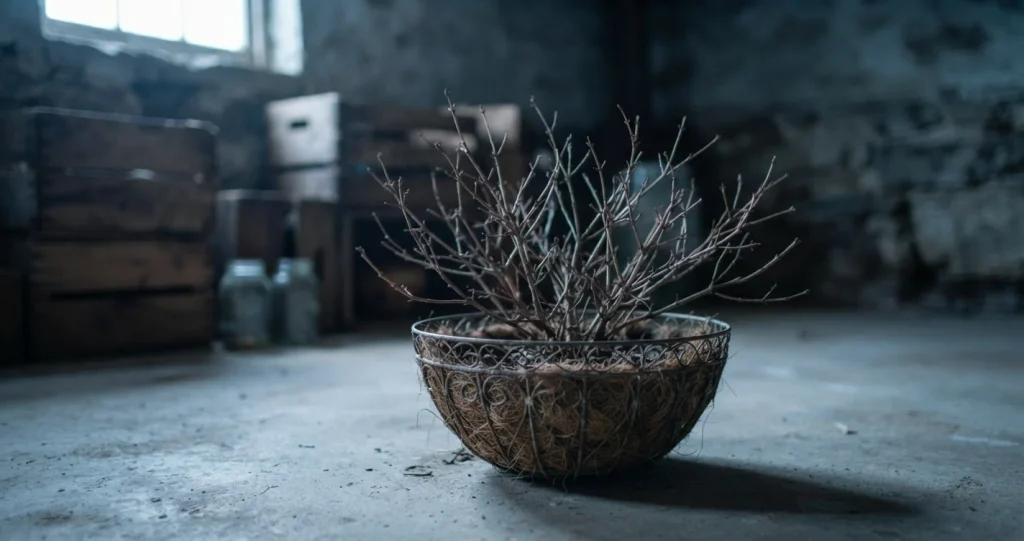
You do not need a professional greenhouse to preserve your favorite fuchsias.
Several ordinary household spaces can provide suitable conditions.
An Unheated Garage
An attached garage can be an excellent option if temperatures consistently remain above freezing.
Place containers away from garage doors and monitor temperatures during particularly cold weather.
A Cool Basement
Basements often provide relatively stable temperatures and protection from frost.
Choose an area away from furnaces, heating pipes, and other sources of warmth.
An Enclosed Porch
A sheltered porch may work well in regions with relatively mild winters.
However, substantial temperature fluctuations can make this location unsuitable during severe cold spells.
A Frost-Free Garden Shed
An insulated shed can provide suitable storage if its interior remains reliably above freezing.
A minimum-maximum thermometer is an inexpensive way to determine whether a storage location maintains appropriate temperatures throughout the day and night.
How Often to Water Fuchsias During Winter
Watering is one of the most important aspects of successful cool storage.
Dormant fuchsias require much less moisture than actively growing summer plants, but their roots must remain alive.
Follow the Soil Rather Than the Calendar
Iowa State University Extension and Outreach suggests that overwintering fuchsias may need watering approximately every three to four weeks. Yard and Garden
However, container size, humidity, temperature, and potting mix all influence how quickly moisture disappears.
Check the soil regularly and water sparingly when necessary.
Recognizing Moisture Problems
| Observation | Possible cause |
|---|---|
| Completely dry potting mix | Insufficient watering |
| Severely shriveled stems | Excessive dehydration |
| Persistently wet soil | Overwatering or poor drainage |
| Soft, blackened stems | Possible tissue decay |
| Firm stems and slightly moist soil | Suitable resting conditions |
Always allow excess water to drain freely from the container.
A resting fuchsia needs just enough moisture to preserve its living tissues.
Common Fuchsia Overwintering Mistakes
Even experienced gardeners sometimes lose plants during winter storage.
Fortunately, many common problems are preventable.
Keeping Plants Too Warm
Excessively warm storage conditions can stimulate premature growth, particularly when natural light is limited.
Allowing Containers to Freeze
Tender fuchsias require protection from freezing temperatures, including around their root systems.
Watering Too Frequently
Constantly saturated soil increases the risk of root decay, especially when plants are growing slowly.
Fertilizing During the Resting Period
Dormant plants have limited nutrient requirements. Resume feeding when healthy new growth becomes established.
Discarding Leafless Plants Too Early
A fuchsia with bare branches may still be perfectly capable of producing new growth.
If necessary, gently scratch a tiny section of bark on one stem. Green tissue beneath the surface suggests that the stem remains alive.
Bringing Fuchsias Back to Life in Spring
As winter approaches its end, gradually prepare your fuchsias for another growing season.
Move Plants Into Brighter Light
Approximately one month before your expected last spring frost, transfer your plants to a brighter, moderately warmer indoor location.
Washington State University Extension recommends providing filtered light as plants emerge from their winter resting period. Fuchsias
Prune and Reshape
Remove dead branches and shorten healthy stems as needed to encourage a well-branched plant.
Fuchsias produce flowers on new growth, making appropriate spring pruning particularly useful for encouraging a full summer display.
Resume Regular Watering
Increase watering gradually as new leaves appear.
Once active growth becomes established, begin applying a diluted, balanced fertilizer according to its label instructions.
Reintroduce Plants to Outdoor Conditions
After the danger of frost has passed, gradually acclimate your fuchsias to outdoor temperatures, sunlight, and air movement.
Begin in a sheltered, shaded location before returning them to their usual summer growing spaces.
In Your Own Yard: Growing Fuchsias Year After Year
Overwintering fuchsias can become a rewarding part of your annual gardening routine.
Create a Seasonal Storage Corner
Dedicate a small shelf in a cool basement or frost-free garage to overwintering tender plants.
Label each container with its variety, flower color, and storage date.
Take Backup Cuttings
If you have a particularly beautiful or unusual fuchsia variety, consider propagating it from healthy stem cuttings before winter.
Keep rooted cuttings in a cool, bright, protected location.
This provides an additional way to preserve your favorite plants if mature specimens fail to survive storage.
Create a Hummingbird-Friendly Summer Garden
Fuchsia flowers can attract hummingbirds in regions where these birds naturally occur.
Combine fuchsias with suitable native flowering plants to provide diverse nectar sources throughout the growing season.
By preserving mature plants each winter, you can maintain a beautiful container garden while reducing the need to purchase replacements every spring.
Frequently Asked Questions
1. Can fuchsias survive winter in a dark garage?
Yes. Mature, dormant fuchsias can often survive in a dark garage if temperatures remain cool and above freezing. Their potting mix should remain slightly moist, and plants should receive brighter light when active growth resumes.
2. Should I cut back fuchsias before overwintering?
Light pruning before storage helps reduce plant size and remove damaged growth. Established, vigorous plants may tolerate heavier pruning. Alternatively, substantial pruning can be performed in early spring.
3. What month should I bring fuchsias out of winter storage?
February or March may be suitable in many parts of the United States. A more reliable approach is to begin waking your plants approximately four weeks before your region’s expected last spring frost.
Conclusion
A collection of bare fuchsia stems sitting quietly in a cool basement may seem far removed from the colorful hanging baskets of summer.
Yet within those stems and roots lies the potential for another season of beautiful flowers.
Learning how to overwinter fuchsias indoors is a simple, economical way to preserve your favorite varieties and enjoy them for years to come.
With cool temperatures, occasional watering, and protection from frost, these remarkable plants can quietly wait for spring.
Sometimes, the most important part of growing beautiful flowers is giving them time to rest.
External Sources
1. Fuchsias Can Survive Winter in Darkness
Mature fuchsias can spend winter in a dark, frost-free storage location at approximately 40°F, provided their roots remain sufficiently moist. University of Alaska Fairbanks. https://www.uaf.edu/ces/publications/database/gardening/growing-overwintering.php.
2. Large Fuchsias Can Survive Substantial Pruning
Large, established fuchsias can tolerate being pruned back to approximately six inches before winter storage, making them considerably easier to accommodate indoors. Clemson University. https://hgic.clemson.edu/factsheet/fuchsia/
3. Dormant Fuchsias May Need Water Only Once a Month
Resting fuchsias may need watering only every three to four weeks. In spring, shortening their branches can encourage new flower-bearing growth. Washington State University. https://s3.wp.wsu.edu/uploads/sites/2076/2024/07/C046-Fuchsias.pdf.